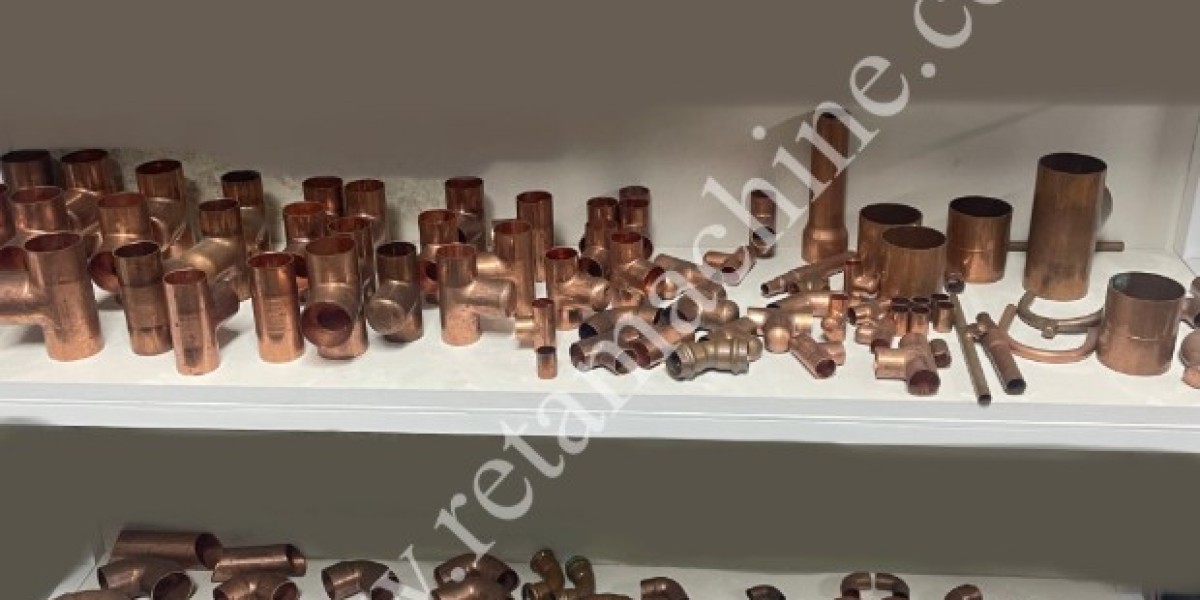

Brass tee fittings are indispensable components in fluid and pipeline systems, requiring precise structural symmetry and stable pressure resistance. The manufacturing machines dedicated to producing such parts are far from simple automated equipment. They integrate sophisticated mechanical structures, high-precision control systems and adaptive processing technologies, making them highly complex industrial devices.
First of all, the mechanical structure of brass tee manufacturing machines involves intricate multi-station integration. Different from ordinary pipe processing equipment, these machines need to complete cutting, hot forging, three-way forming, trimming and thread machining in one continuous workflow. The core molding system adopts high-strength wear-resistant steel molds with elaborate core and cavity designs, which accurately shape the unique three-way geometric structure of tees. Meanwhile, balanced runner and gate systems are equipped to ensure even flow of molten brass, effectively avoiding welding lines, air traps and shrinkage defects that affect product quality.
Precision control further elevates the machine’s complexity. Qualified brass tees demand a tolerance within ±0.02mm to fit pipeline systems tightly and resist pressure impact. The machine relies on advanced CNC programmable systems to synchronize hydraulic pressure, machining angle and feeding speed in real time. It also compensates for brass’s elastic rebound during molding, a common material-induced error that requires precise algorithm adjustment to avoid angular deviation and structural deformation.
In addition, operational and maintenance complexity should not be overlooked. Brass contains abrasive zinc elements that cause gradual tool wear. The machine is configured with intelligent wear monitoring and high-pressure cooling systems to stabilize processing conditions. Its automated material handling and robotic auxiliary systems require professional debugging to coordinate multiple moving parts, ensuring long-term production consistency.
In conclusion, brass tee manufacturing machines combine structural design, material adaptation and intelligent control. Their multi-functional integration and ultra-high precision requirements fully reflect their sophisticated industrial complexity, laying a solid foundation for high-quality pipeline fitting production.