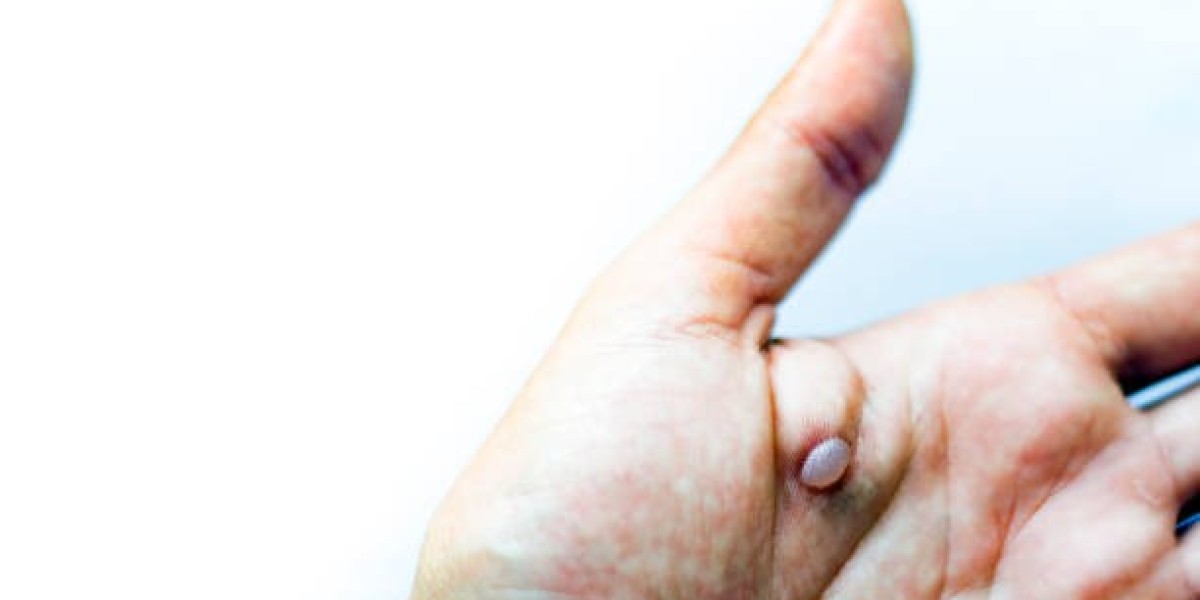

Common warts on the hands are a frequent skin concern that can affect people of all ages. These small, rough growths often develop on the fingers, around the nails, or on the backs of the hands. Although they are usually harmless, they may cause discomfort, affect confidence, or spread to nearby areas. Understanding how to remove common warts on the hands can help you choose a suitable treatment and protect your skin. With the right approach, many warts can be managed through home treatments or professional dermatological care.
Common warts are caused by certain strains of the human papillomavirus (HPV), which enter the skin through tiny cuts or damaged areas. While some warts disappear naturally as the immune system responds to the virus, others may remain for months or years. Exploring Warts Removal Treatment in Riyadh can help individuals understand available treatment options, especially when warts are persistent, painful, or spreading. Identifying the growth correctly is essential before starting any removal method because other skin conditions can sometimes resemble warts.
What Do Common Warts on the Hands Look Like?
Common warts typically appear as firm, raised bumps with a rough or grainy surface. They may be skin-coloured, greyish, brown, or slightly darker than the surrounding skin. Tiny black dots may sometimes be visible within the growth; these are small blood vessels rather than dirt.
Warts commonly develop on the fingers, knuckles, and around the fingernails. Some appear individually, while others form clusters. They are generally painless, although growths near the nails may become uncomfortable if pressed, picked, or irritated during everyday activities.
Effective Ways to Remove Common Warts on the Hands
The most appropriate treatment depends on the wart's size, location, number, and duration. Some methods can be tried at home, while persistent or unusual growths may require professional assessment.
Salicylic Acid Treatments
Salicylic acid is a commonly used over-the-counter treatment for common warts. It gradually softens and removes layers of affected skin over time. These products are available in different formulations, including liquids, gels, and medicated patches.
To use a product safely, follow its label instructions carefully. Soaking the affected area in warm water before treatment may help soften the surface. Avoid applying salicylic acid to healthy skin, the face, or irritated or broken skin. People with diabetes, poor circulation, or reduced sensation should seek medical advice before using wart-removal products.
Cryotherapy
Cryotherapy involves freezing the wart, usually with liquid nitrogen applied by a healthcare professional. The treated tissue gradually breaks down and sheds as the skin heals. Depending on the wart, several sessions may be needed.
Temporary discomfort, blistering, redness, or changes in skin colour can occur. Professional cryotherapy may be suitable for persistent warts or those that do not respond to home treatment. A clinician can explain the benefits and potential risks before proceeding.
Electrosurgery and Curettage
For selected stubborn warts, a dermatologist may recommend electrosurgery or curettage. Electrosurgery uses electrical energy to destroy the affected tissue, while curettage involves removing the growth with a specialised instrument. These methods may be considered when other treatments have been unsuccessful.
Because these procedures can cause scarring, tenderness, or changes in pigmentation, they are not necessary for every wart. A qualified professional can determine whether they are appropriate based on the wart's location and characteristics.
Laser Treatment
Laser treatment may be considered for certain persistent warts that have not responded to other methods. Depending on the laser used, treatment targets wart tissue or its blood supply. The procedure may require more than one session and can cause temporary redness, discomfort, or pigmentation changes.
A dermatologist can assess whether laser treatment is suitable and discuss expected healing and recurrence risks.
Can Common Warts Disappear Without Treatment?
Yes, some common warts disappear naturally as the immune system gradually controls the HPV infection. However, this process can take months or even years. During that time, warts may remain unchanged, spread to nearby skin, or cause irritation.
Choosing to wait may be reasonable when a wart is small, painless, and clearly diagnosed. However, professional advice is recommended if the growth becomes painful, changes in appearance, bleeds unexpectedly, or continues spreading.
How to Prevent Warts From Spreading
Because HPV can spread through direct contact and contaminated objects, simple hygiene practices can help reduce transmission.
Avoid picking or biting: Scratching warts or biting the nails around them may spread the virus to nearby skin.
Keep hands clean: Wash your hands regularly, especially after touching the affected area.
Avoid sharing personal items: Do not share nail clippers, files, towels, or other grooming tools that come into contact with the wart.
Protect damaged skin: Cover cuts and scratches when appropriate to reduce opportunities for infection.
Keep the area covered when needed: A suitable dressing can help prevent repeated contact with the wart during everyday activities.
These habits cannot guarantee prevention, but they may reduce the risk of spreading the infection to other areas or people.
When Should You See a Dermatologist?
Consider consulting a dermatologist if the wart is painful, bleeding, rapidly changing, spreading, located around or beneath a nail, or not improving with appropriate treatment. You should also seek professional advice if you are unsure whether the growth is actually a wart.
A specialist can examine the skin, confirm the diagnosis, and recommend an appropriate treatment plan. Professional guidance is particularly important for people with weakened immune systems or medical conditions that affect healing.
Professional Wart Removal at Royal Clinic Saudia
If common warts on your hands are persistent or affecting your daily activities, consider booking a skin consultation at Royal Clinic Saudia. A professional assessment can help identify the growth and explain suitable removal options based on its location and characteristics. Contact the clinic to enquire about available appointments and discuss an appropriate care plan for your skin.
FAQs:
How long does it take to remove common warts on the hands?
Treatment time varies depending on the wart's size, location, and response to therapy. Salicylic acid may require several weeks of consistent use, while professional treatments may need repeated sessions.
Can I cut a wart off at home?
No. Cutting, scraping, or digging out a wart yourself can cause bleeding, infection, scarring, and further spread of the virus. Choose an appropriate treatment or seek advice from a healthcare professional.
Are common warts contagious?
Yes. The HPV strains responsible for common warts can spread through direct skin contact or contaminated objects. Avoid picking at warts and sharing personal grooming tools.
Will a wart come back after removal?
Warts can return because the virus may remain in nearby skin after the visible growth disappears. Following aftercare instructions and avoiding behaviours that spread the virus can help reduce the risk of recurrence.