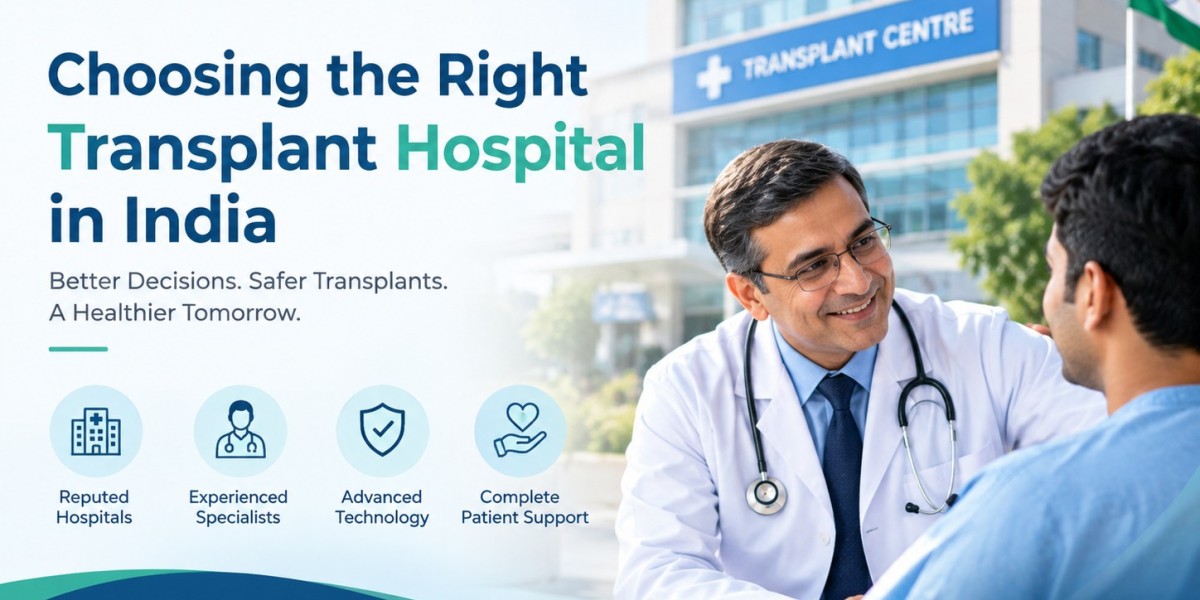

A diagnosis of a serious blood disorder can be overwhelming for patients and their families. For some conditions, a bone marrow transplant offers an important treatment option when recommended by a qualified specialist. India has hospitals providing haematology and bone marrow transplantation services, allowing domestic and international patients to explore treatment options.
Finding the right hospital involves more than comparing prices or searching for the best bone marrow transplant surgery. Patients should consider the medical team's experience, transplant facilities, infection-control protocols, donor availability, and long-term follow-up care.
Cross Borders Care helps patients explore treatment options in India and coordinate their medical journey, including hospital consultations, treatment planning, and travel-related assistance where available.
What Is Bone Marrow Transplant Surgery?
Bone marrow transplantation, also known as haematopoietic stem cell transplantation (HSCT), replaces damaged or diseased blood-forming cells with healthy stem cells. These cells may come from the patient or a suitable donor, depending on the diagnosis and treatment plan.
Doctors may recommend transplantation for selected patients with conditions such as leukaemia, lymphoma, aplastic anaemia, thalassaemia, and certain inherited or immune-system disorders. However, not every patient with these conditions requires a transplant. Eligibility depends on several clinical factors.
The procedure involves detailed medical evaluation, preparation, stem cell infusion, and close monitoring during recovery. Patients should understand the potential benefits, risks, alternatives, and expected recovery period before making a decision.
Choosing the Best Bone Marrow Transplant Hospital in India
Selecting the best bone marrow transplant hospital in India requires careful research. A suitable centre should have a dedicated transplant programme, experienced haematologists, trained nursing teams, blood bank support, laboratory facilities, and appropriate infection-control measures.
Patients can assess hospitals using these factors:
Medical expertise: Check the treating specialist's qualifications and experience with the patient's specific condition.
Transplant facilities: Ask about dedicated transplant units, protective isolation, and emergency support.
Donor assessment: Understand how donor matching and stem cell collection are managed.
Complication management: Discuss infection prevention, graft-versus-host disease, and other possible complications.
Transparent costs: Request a written estimate covering investigations, transplantation, hospitalisation, medicines, and follow-up.
Continuity of care: Confirm how monitoring and urgent medical support will be arranged after discharge.
Rather than relying solely on online rankings, families should compare the services available and seek an individual medical opinion.
Understanding Bone Marrow Transplant Surgery in India
The treatment pathway for bone marrow transplant surgery in India generally begins with a consultation and review of medical records. Doctors may request blood tests, bone marrow examinations, genetic or molecular investigations, organ-function assessments, and donor compatibility testing.
The transplant team then determines whether transplantation is appropriate and discusses the proposed approach.
Two common transplant types are:
Autologous transplant: The patient's own stem cells are collected and returned after the required treatment. This approach is used for selected diseases.
Allogeneic transplant: Stem cells come from a suitable donor, such as a matched family member or an unrelated donor. In some cases, a haploidentical, or partially matched, family donor may be considered.
Each approach has different indications, benefits, and risks. The treating specialist determines the most appropriate option based on the patient's condition.
Finding the Best Bone Marrow Transplant Doctor in India
When searching for the Best Bone Marrow Transplant Doctor in India, families should look for a qualified haematologist or transplant physician with relevant experience in treating the specific disease.
Useful questions to ask during a consultation include:
How often does the doctor treat patients with this diagnosis?
Which transplant approach is being considered, and why?
What donor options are available?
What are the major risks and expected recovery milestones?
What follow-up care will be needed after discharge?
Patients should also ask whether a multidisciplinary team is involved in treatment. Paediatric patients, for example, may require specialist input from paediatric haematologists, transplant physicians, infectious disease teams, nutritionists, and other professionals.
Donor Egg IVF Cost in India vs Somalia: Affordable, Legal, and More Successful | Donor Egg IVF Cost India Vs Australia | Cost of Donor Egg IVF in India vs Canada | Donor Egg IVF in Ethiopia: Legal Limitations & Why Ethiopian Patients Choose India
Best Paediatric Bone Marrow Transplant in Delhi
Children undergoing transplantation need specialised care tailored to their age, diagnosis, nutritional needs, emotional well-being, and development. Families researching the best paediatric bone marrow transplant in Delhi should evaluate hospitals with dedicated paediatric haematology and transplant services.
A paediatric transplant programme should explain the treatment process in family-friendly language, discuss potential complications, and provide guidance on infection prevention, nutrition, schooling, and emotional support.
Parents searching for a bone paediatric marrow transplant in Delhi should also clarify whether the centre has experience with their child's specific condition, such as paediatric leukaemia, aplastic anaemia, or thalassaemia.
When comparing options for a top paediatric bone marrow transplant in Delhi, consider the specialist's experience, transplant infrastructure, donor assessment services, intensive care availability, and long-term follow-up programme. No hospital or doctor can guarantee a successful outcome, and treatment recommendations must be individualised.
How Cross Borders Care Supports Patients
Cross Borders Care assists patients exploring treatment in India by helping them understand available options and prepare for consultations. Depending on the patient's needs and the services arranged, support may include medical-record coordination, appointment assistance, treatment-estimate requests, and travel planning for international patients.
Before travelling, patients should obtain a specialist's preliminary opinion, understand the likely treatment timeline, and confirm the arrangements directly with the treating hospital. Bone marrow transplantation may require an extended hospital stay and prolonged follow-up, so families should plan for both medical and practical needs.
Conclusion
Choosing bone marrow transplantation is a significant decision that requires expert medical advice and careful planning. Patients should compare hospital facilities, specialist experience, donor options, expected costs, and long-term care rather than relying on rankings alone.
With appropriate coordination and informed decision-making, Cross Borders Care can help patients explore bone marrow transplant treatment options in India and prepare for discussions with qualified specialists.
Institute of Brain and Spine in Delhi | Trans Nasal Trans Sphenoidal) Endoscopic Surgery |
Dr. Azhar Perwaiz | RG Stone Urology & Laparoscopy Hospital in India
Paediatric Bone Marrow Transplant in India | Best Doctors for Paediatric Bone Marrow Transplant in India
Best Minimal Access & Laparoscopic Gynae Surgery in India
(FAQs)
1. Which patients may need a bone marrow transplant?
Transplantation may be considered for selected patients with blood cancers, bone marrow failure, inherited blood disorders, and certain immune conditions. Eligibility depends on the diagnosis, disease stage, overall health, and available treatment alternatives.
2. How is a suitable bone marrow donor identified?
Doctors assess tissue compatibility, often through HLA typing, alongside donor health and other clinical factors. A suitable donor may be a family member or an unrelated donor, depending on the circumstances.
3. What should parents ask before choosing a paediatric transplant centre in Delhi?
Parents should ask about the team's experience with the child's diagnosis, donor options, infection-control measures, complication management, expected hospital stay, total estimated costs, and follow-up arrangements.
4. Does bone marrow transplantation guarantee a cure?
No. Outcomes vary according to the disease, its stage, the patient's health, donor compatibility, and complications. The transplant specialist should explain the expected benefits and risks for the individual patient.
https://ok-gud.com/blogs/210814/Choosing-the-Right-Transplant-Hospital-in-India
5. What costs should families include in their transplant budget?
Ask for an itemised estimate covering pre-transplant tests, donor investigations, stem cell collection, conditioning treatment, hospitalisation, medicines, blood products, complication management, and follow-up. Additional costs may arise if treatment is prolonged.
6. Can international patients arrange bone marrow transplant treatment in India?
International patients can contact hospitals for medical-record reviews and consultations. Cross Borders Care can help coordinate enquiries and practical arrangements where available. Final eligibility, treatment decisions, and admission depend on the treating hospital's assessment.
Robotic Lung Cancer Treatment and Surgery