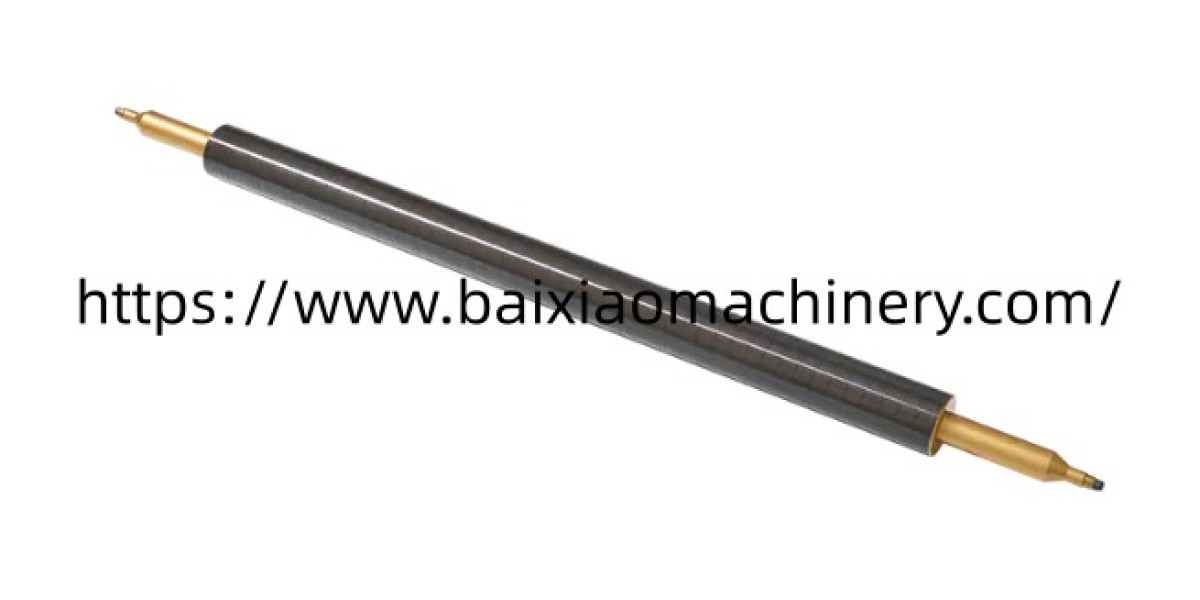

In industrial production, the movement of paper, film, metal sheets, and other continuous materials depends on components that support consistent contact and controlled handling. A Steel Roller can contribute to this process through its structural strength, working surface, and compatibility with surrounding machinery. Its effectiveness depends on how the material, roller geometry, finishing method, and operating environment work together, making product selection an important part of equipment planning.
Material selection should begin with the demands of the application rather than a general preference for metal. Steel is often considered when a roller needs a rigid structure and dependable support during repeated industrial use. Stainless steel may be appropriate when the working environment makes corrosion resistance a particular concern. The most suitable option depends on the processed material, surrounding conditions, contact requirements, and maintenance practices. Choosing materials according to actual working needs helps avoid unnecessary complexity.
The roller surface deserves attention because it directly interacts with the material being processed. A smooth finish may be appropriate when the goal is to minimize unwanted marks on sensitive film or paper. A textured or patterned surface can serve a different purpose where controlled contact or material engagement is needed. Surface treatments should therefore be selected according to the production task, since a finish suitable for one process may not provide the same benefits in another.
For buyers, equipment compatibility is a useful starting point. A roller must fit the existing machine arrangement and work with the materials passing through the production line. Purchasing teams should identify where the component will be installed, how the material travels across it, and whether the application involves guiding, transferring, pressing, or supporting. Sharing drawings, samples, and details about the working environment can help a manufacturer understand the requirements before recommending a suitable design.
Operating conditions also influence the purchasing decision. A roller used in a printing line may have different surface and handling requirements from one used in plastic film processing or paper conversion. Buyers should consider contact with inks, coatings, moisture, dust, and other substances that may affect the working surface. The expected cleaning routine and accessibility of the installation area can also influence which material and finish are most practical.
Manufacturing technology connects these requirements with the finished component. Processes such as cutting, turning, grinding, polishing, surface treatment, and assembly can be combined to create a roller suited to a particular machine. Each operation contributes to the final shape and working surface. Careful production planning is especially important when a component must fit into an existing assembly, because errors in one stage can affect installation and operation later.
Surface finishing is not simply a cosmetic step. Depending on the application, polishing, plating, or texturing can influence wear behavior, surface contact, cleaning, and resistance to environmental exposure. Manufacturers need to consider how the selected treatment interacts with the base material and the processed product. The goal is to create a working surface that supports the intended process without introducing avoidable maintenance challenges.
Quality inspection should address more than the appearance of the finished roller. The component's shape, surface condition, joining areas, and compatibility with related machine parts can all affect its practical use. Inspection during production can help identify irregularities before the roller reaches final assembly. Clear communication between the manufacturer and buyer is also useful when a custom component must meet specific equipment requirements.
The roller's contribution to production is closely connected to the wider machine system. In printing and packaging equipment, material may pass through several rollers as it moves between processing stages. Consistent contact can support smoother transport, while an unsuitable surface or poorly matched component may contribute to slipping, marking, or uneven handling. For this reason, rollers should be assessed as parts of a coordinated process rather than isolated metal products.
Maintenance and operator experience are equally relevant. A roller that is accessible for inspection and cleaning can make routine servicing more straightforward. Surface damage, accumulated residue, and changes in contact behavior may affect how the component performs over time. Practical installation and removal arrangements can also help technicians carry out maintenance without unnecessary disruption to surrounding equipment.
Design influences both function and the appearance of the finished machine. A carefully finished metal surface can complement professional industrial equipment, while a suitable structural design can support practical installation and servicing. The roller's ends, mounting interfaces, surface transitions, and connection features should be considered together so that the component works naturally within the complete assembly.
Customization can be valuable when standard products do not match an existing production line. Different machinery layouts, processed materials, and working methods may call for specific roller structures or surface treatments. Zhejiang Province, Ruian Baixiao Machinery Co., Ltd. manufactures steel rollers and other supporting components for applications including printing, packaging, paper processing, and plastics machinery. The company also develops customized products based on customer drawings or samples, making early technical communication a useful part of supplier evaluation.
When planning a roller project, buyers can prepare information about the machine, processed material, contact conditions, preferred surface finish, and installation arrangement. These details give the manufacturing team a clearer understanding of the intended application and help guide discussions about material suitability, production methods, inspection, and maintenance. Further information about roller products and manufacturing services from Zhejiang Province, Ruian Baixiao Machinery Co., Ltd. is available at https://www.baixiaomachinery.com/.