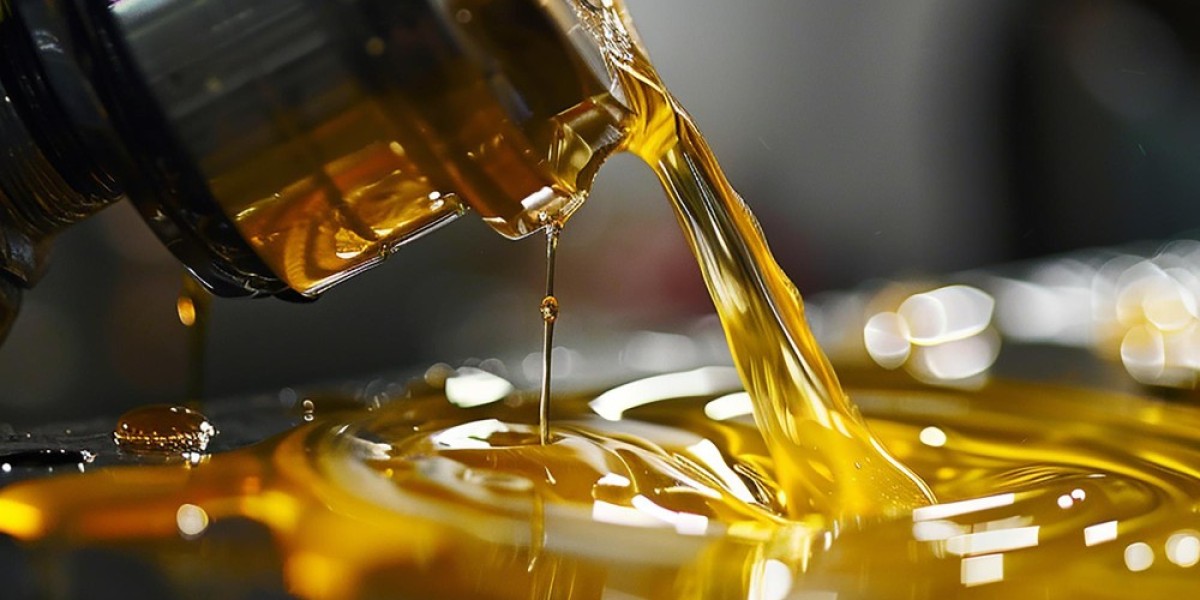

Grease looks simple. It is a thick, buttery lubricant that stays where you put it. Yet behind that simple appearance lies three important choices: how firm it is, what holds it together and what kind of oil it contains. Getting these three right is the difference between a bearing that lasts for years and one that fails in months. If you are trying to find the best grease for metal gears , bearings or bushings, or you are comparing offers from a grease supplier UAE, understanding these basics will help you ask better questions and make smarter choices. This guide explains each element in everyday language.
What Grease Really Is
Grease is not a separate type of lubricant. It is lubricating oil held inside a sponge-like structure called a thickener. Additives are then mixed in to improve protection.
The three main ingredients
Base oil, which does the actual lubricating and usually makes up 70 to 95 percent of the product
Thickener, which holds the oil in place and releases it slowly under movement and heat
Additives, which add extra protection against wear, rust, oxidation and extreme pressure
When a bearing or gear moves, the thickener releases small amounts of oil onto the surfaces. When the movement stops, the oil is drawn back into the structure. This is why grease can stay in place for long periods without leaking out like oil.
When to choose grease instead of oil
Grease is usually the best choice when parts are hard to reach, when sealing is difficult, when equipment runs at low to moderate speeds or when lubricant must stay in place on vertical or exposed surfaces. Oil is usually better for very high speeds, for systems that need cooling and for enclosed gearboxes with an oil bath.
Understanding NLGI Consistency Grades
The National Lubricating Grease Institute (NLGI) grade describes how firm or soft a grease is. It is measured by dropping a standard cone into the sample and seeing how far it sinks. Softer products let the cone sink further.
The grading scale
The scale runs from 000, which is almost fluid, up to 6, which is very firm, similar to a block of cheese. The most common grades in everyday use are:
NLGI 00 and 000, semi-fluid products used in some enclosed gearboxes and centralized systems
NLGI 0 and 1, soft products that pump easily and suit centralized lubrication in cooler conditions
NLGI 2, the most widely used general-purpose grade for bearings and chassis points
NLGI 3, a firmer grade often chosen for larger bearings, high temperatures or vertical shafts
Choosing the right grade for the job
Softer grades flow more easily into tight spaces and through long lines, which makes them good for centralized systems and gear housings. Firmer grids resist being squeezed out of bearings and stay in place better at higher speeds and temperatures. In hot climates, some users step up one grade to make up for softening in summer, but this should always be checked against the equipment maker's advice.
Thickener Types and Why They Matter
The thickener decides much of how a grease behaves. It affects heat resistance, water resistance, pumpability and compatibility with other products.
Lithium and lithium complex
Lithium thickeners are the most common worldwide. They offer good all-round performance and moderate water resistance. Lithium complex products handle higher temperatures and are popular for wheel bearings, industrial bearings and general plant use.
Calcium sulphonate complex
These thickeners provide excellent water resistance, strong natural load-carrying ability and very good rust protection. They are often chosen for steel mills, marine equipment, construction machinery and any application exposed to water or heavy shock.
Aluminium complex
Aluminum complex products have good water resistance and are widely used in food processing, where many are registered for incidental food contact. They also pump well in centralized systems.
Polyurea
Polyurea thickeners are known for long life and good high-temperature performance. They are common in electric motor bearings, which run for long periods without re-lubrication.
Clay or bentonite
These non-soap thickeners do not melt in the normal sense, so they can be used at very high temperatures. However, the base oil can still break down with heat, so relubrication intervals remain important.
The compatibility warning
Mixing products with different thickeners can cause the structure to break down, leaving the mixture too soft or too hard. When switching from one product to another, purge the old material as much as possible and monitor the bearing closely for a while. This single step prevents many unexplained failures.
Base Oil Type and Viscosity
The base oil does the real lubricating work, so its type and thickness deserve as much attention as the thickener.
Mineral base oils
Mineral oils are refined from crude oil and are suitable for most standard applications. They offer good value and work well at moderate temperatures.
Synthetic base oils
Synthetic oils such as PAO, esters and silicones perform better at temperature extremes. They resist oxidation, last longer and keep their properties across a wider range. In the UAE heat, synthetic-based products often extend relubrication intervals, especially in electric motors and equipment that runs continuously.
Why base oil viscosity is important
The viscosity of the base oil, usually shown in centistokes at 40°C, should match the speed and load of the application. Slow, heavily loaded parts, such as gear teeth, pins and large bearings, need a higher base oil viscosity to keep a strong film. Fast-running bearings need a lower viscosity to avoid heat and drag. When choosing the best grease for metal gears that turn slowly under heavy load, look for a high base oil viscosity combined with strong extreme pressure performance.
Additives That Make a Difference
Additives turn a basic product into a specialist one. Common types include:
Extreme pressure additives to prevent welding and scuffing under heavy loads
Anti-wear additives for everyday protection
Solid lubricants such as molybdenum disulphide or graphite for shock loads and slow movement
Rust and corrosion inhibitors for humid or wet environments
Tackifiers that help the product cling to surfaces and resist being thrown off
Reading the data sheet
Most of this information appears on the product data sheet. Look for the NLGI grade, thickener type, base oil type and viscosity, dropping point, operating temperature range and results from load tests such as the four-ball weld test or Timken OK load. These figures make it much easier to compare products fairly.
Matching Products to Common Applications
Here is a simple way to think about typical uses:
General bearings and chassis points: NLGI 2 lithium or lithium complex with EP additives.
Wet, dirty or shock-loaded equipment: calcium sulphonate complex, often NLGI 2.
Electric motor bearings: polyurea with a lower base oil viscosity.
Slow, heavily loaded pins and gears: high base oil viscosity with solid additives, which is often the best grease for metal gears in open or exposed drives.
Food processing: aluminium complex or other registered food-grade products.
Centralised systems: softer grades such as NLGI 0 or 1 that pump easily.
How Much to Apply and How Often
Choosing the right product is only half the job. Applying the correct amount at the correct interval matters just as much.
Avoiding over-lubrication
Many people believe that more is always better, but packing a bearing completely full causes the rolling elements to churn the material. This churning creates heat, which breaks down the base oil and can push past seals. As a general guide, many rolling bearings only need their free space partly filled, and housings should not be packed solid unless the maker says so.
Setting practical intervals
Relubrication intervals depend on speed, bearing size, temperature and contamination. Hot, dusty or wet conditions shorten the interval, while clean, cool and slow conditions lengthen it. Start with the equipment maker's guidance, then adjust based on what you see: signs of dryness, discoloured purge, rising temperature or new noise all suggest the interval is too long. Marking each lubrication point with its product and interval, and using a colour code on grease guns, helps every technician apply the right material in the right amount.
How to Choose a Reliable Supplier
The best product is only useful if it arrives on time and in good condition. A good supplier helps you choose, checks compatibility and keeps stock ready for urgent needs.
What to look for
Technical staff who can explain the differences between products
Clear data sheets and safety sheets for every item
Proper storage away from heat and direct sun
Reliable stock of the grades you use most
Advice on switching products safely
Choosing a grease supplier UAE with these strengths saves time and reduces the risk of buying the wrong material in a hurry. A supplier who knows local conditions can also recommend products that cope better with heat, dust and humidity.
Storing products correctly on site
Once delivered, keep cartridges and pails sealed, upright and indoors. High temperatures can cause oil to separate from the thickener, which you may notice as a layer of oil on top. Small amounts of separation are normal, but large pools suggest the product has been stored poorly or is too old. Always use older stock first and wipe grease guns and nipples clean before use.
Final Thoughts
Grease may look simple, but its performance depends on three careful choices: the NLGI grade, the thickener and the base oil. Add the right additives, and you have a product that protects bearings, pins and gears for much longer. Match firmness to the application, avoid mixing incompatible thickeners, and choose base oil viscosity according to speed and load. When you need the best grease for metal gears or any other demanding part, check the data sheet and compare products on real figures rather than price alone. Most importantly, build a relationship with a knowledgeable grease supplier uae who can guide you, keep stock ready and help your team avoid costly mistakes. With the right knowledge and the right partner, lubrication becomes a strength rather than a worry. Over time, a trusted grease supplier uae becomes part of your maintenance team, helping you refine products and intervals as your equipment changes.