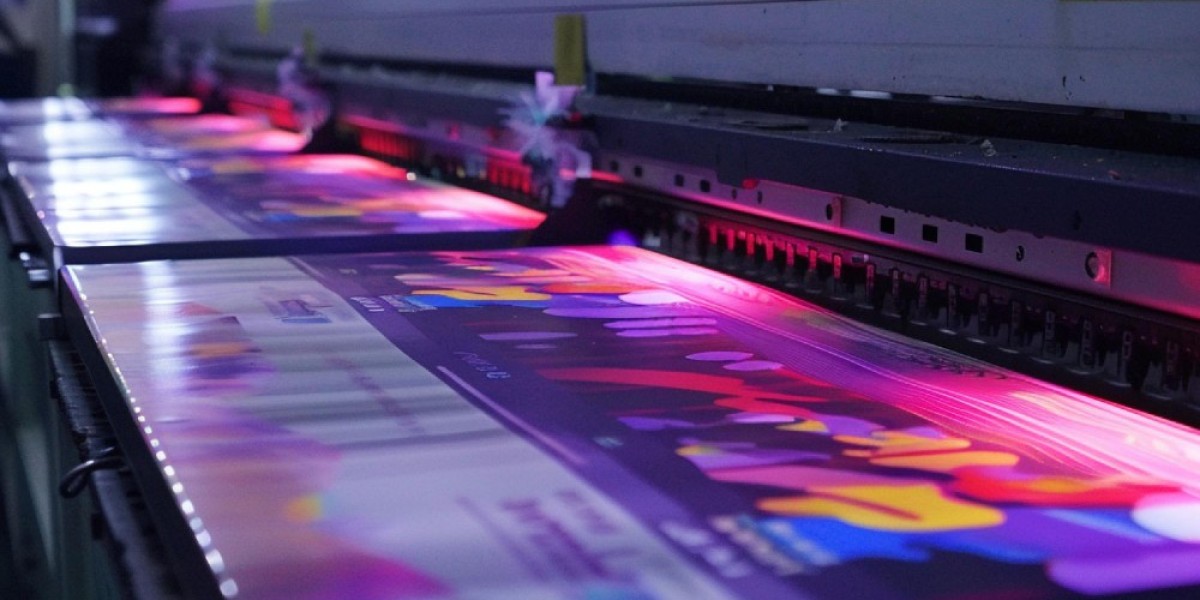

People judge printed material with their hands as much as their eyes. A brochure that feels thin and flimsy sends a very different message from one printed on thick, smooth card with a soft matte finish. Choosing the right paper and finish is one of the easiest ways to lift the quality of your marketing material without changing a single word. Whether you are working with an offset printing press in Sharjah on a large catalogue or comparing printing companies in sharjah for your next brochure, this guide explains paper weights, coatings and finishes in simple terms so you can choose with confidence.
Why Paper Choice Matters So Much
Paper affects almost everything about a printed piece. It changes how bright colours look, how sharp images appear, how the item feels in the hand and even how much it costs to post. The same design printed on two different papers can look like two completely different products.
A good paper choice supports your message. A luxury real estate brochure calls for heavy, smooth stock with a refined finish. A restaurant takeaway menu needs something practical and affordable. A product catalogue that will be handled often needs paper that resists wear and tear. Thinking about how the piece will be used is the first step to choosing well.
Understanding Paper Weight
Paper weight is measured in grams per square metre, often written as gsm. The higher the number, the thicker and heavier the paper.
Light Papers: 80 to 120 gsm
This range covers everyday office paper, letterheads and inside pages of some booklets. It is affordable and easy to fold but can feel thin for marketing material.
Medium Papers: 130 to 200 gsm
This is the most popular range for flyers, leaflets and brochure inner pages. It feels more substantial than office paper while staying easy to fold and post. Many brochures use around 150 to 170 gsm for inner pages.
Heavy Papers and Card: 250 to 400 gsm
Heavier stocks are used for covers, business cards, postcards, invitations and presentation folders. They feel sturdy and premium. Business cards are often printed on 350 gsm or more for a satisfying, solid feel.
Balancing Weight and Cost
Heavier paper costs more to buy and more to post. For large mailings, even a small increase in weight can add up. A common approach is to use a heavier stock for the cover and a lighter one for the inner pages, giving a premium first impression without doubling the cost.
Coated and Uncoated Papers
Paper comes in two main families: coated and uncoated. The difference has a big effect on how your design looks.
Coated Paper
Coated paper has a smooth surface layer that stops ink from soaking deep into the fibres. Colours stay bright and images stay sharp. Coated papers come in gloss, silk and matte versions.
Gloss coated paper is shiny and makes photos and bright colours pop
Silk coated paper has a gentle sheen and a smooth, elegant feel
Matte coated paper has very little shine and gives a modern, understated look
Uncoated Paper
Uncoated paper has no surface coating, so ink soaks in slightly. Colours look softer and more natural, and the paper has a warm, tactile feel. It is easy to write on, which makes it ideal for letterheads, notepads, forms and some invitations. Uncoated stock is also popular for brands that want an earthy, eco-friendly image.
Which One Should You Choose?
If your design relies on vivid photography, choose a coated stock. If it is text-heavy or you want a natural, crafted look, uncoated paper can be a beautiful choice. Ask for printed samples of both, because the difference is much easier to see and feel in person.
Specialty Papers
For projects that need to stand out, specialty papers offer something different.
Textured Papers
Linen, felt and laid textures add a subtle pattern you can feel under your fingertips. They are popular for invitations, certificates and high-end stationery.
Recycled Papers
Recycled papers have come a long way in quality. Many now look and print almost identically to standard stock, while supporting your sustainability goals.
Coloured and Metallic Papers
Coloured and pearlescent stocks can create a striking effect without printing large areas of ink. They are often used for invitations, greeting cards and luxury packaging inserts.
Popular Finishes and What They Do
Finishes are applied after printing to protect the surface and change how it looks and feels.
Lamination
Lamination is a thin plastic film bonded to the printed sheet. It protects against moisture, scuffs and fingerprints.
Gloss lamination adds a bright shine and makes colours look richer
Matte lamination gives a smooth, velvety feel and reduces glare
Soft-touch lamination feels almost like suede and is loved for luxury brochures and business cards
Varnish and Aqueous Coating
Varnish is a clear liquid coating applied on press. It adds light protection and can be gloss, silk or matte. Aqueous coating is a water-based alternative that dries quickly and is widely used on brochures and catalogues.
Spot UV
Spot UV is a glossy, raised coating applied to selected areas only, such as a logo, headline or product image. When paired with matte lamination, it creates a beautiful contrast between shiny and soft areas that catches the light.
Foil Stamping
Foil stamping uses heat and pressure to apply a thin metallic layer in gold, silver, copper or other colours. It adds instant luxury and is common on premium brochures, certificates and packaging.
Embossing and Debossing
Embossing raises part of the design above the paper surface, while debossing presses it in. Both add a tactile, three-dimensional effect that people naturally want to touch.
Matching Paper to Purpose
Here are some simple pairings that work well for common projects:
Company profile brochure: 300 gsm silk cover with soft-touch lamination, 170 gsm silk inner pages
Product catalogue: 250 gsm gloss cover with gloss lamination, 130 to 150 gsm gloss inner pages
Restaurant menu: 350 gsm card with matte lamination for durability and wipe-clean use
Business cards: 350 to 400 gsm card with soft-touch lamination and spot UV logo
Event flyer: 150 to 170 gsm gloss for bright, eye-catching colour
Letterhead: 100 to 120 gsm uncoated for easy writing and printing in office printers
These are starting points rather than strict rules. Your printer can suggest adjustments based on your budget and the look you want.
How Paper Affects Colour
Colours can look different on different papers, even when the same file and inks are used. Uncoated paper absorbs more ink, so colours appear slightly darker and softer. Coated paper keeps ink on the surface, so colours look brighter and crisper.
If your brand colours are important, ask for a printed proof on your chosen paper. An experienced offset printing press in sharjah can adjust ink settings to keep brand colours as close as possible across different stocks.
Thinking About Durability
Some printed items are read once and thrown away. Others are handled for months. Consider how long your piece needs to last.
Items Handled Often
Menus, catalogues, price lists and manuals benefit from heavier paper and lamination. These protect against spills, fingerprints and bent corners.
Items Posted by Mail
Mailed items need to survive sorting machines and handling. A sturdy stock and a protective coating help them arrive in good condition.
Items Used Outdoors
Posters and signs used outside need weather-resistant materials or protective lamination, especially in hot and humid climates where heat and moisture can quickly damage ordinary paper.
Folding and Paper Weight
Heavy paper can crack along folds, especially when there is dark ink on the fold line. Printers solve this with a process called scoring, which presses a crease line into the paper before folding. If your brochure uses heavier stock, make sure scoring is included in your quote.
Light papers fold easily but can look thin. A mid-weight paper around 150 to 170 gsm is often the sweet spot for folded leaflets.
Planning Your Budget Around Paper and Finishes
Premium paper and finishes do add cost, but they do not have to break your budget. The trick is to spend where people will notice most.
Spend on the Cover
The cover is the first thing people see and touch. A heavier cover stock with soft-touch lamination or a spot UV logo creates a strong first impression, even if the inner pages use a standard weight.
Keep Finishes Focused
One well-chosen finish often looks more elegant than several competing effects. A single foil logo on a matte cover can feel more luxurious than foil, embossing and spot UV all on the same page.
Order Smartly
Finishing costs are partly fixed, so they become more affordable at higher quantities. If you plan to use the same brochure for several months, printing a larger batch on an offset printing press in sharjah can make premium finishes much more cost-effective per copy.
Ask for Options
Request quotes for two or three paper and finish combinations. Seeing the price difference side by side makes it easier to decide what is worth the extra spend. Many printing companies in Sharjah are happy to suggest a more affordable alternative that keeps a similar look and feel.
Asking for Samples
The single best tip for choosing paper is to ask for samples. Most printers keep sample books and finished examples of past work. Holding a real brochure in your hands tells you far more than any description.
When you contact printing companies in sharjah, ask to see samples of the exact paper and finish you are considering. Compare them side by side under normal light, and think about how your customers will feel when they pick one up.
Final Thoughts
Paper and finishes are not just technical details. They shape how people feel about your brand the moment they touch your printed material. By understanding paper weights, coated and uncoated stocks, and finishes such as lamination, spot UV and foil, you can create brochures and catalogues that look and feel truly premium. Start by thinking about how the piece will be used, request samples and ask for a proof on your chosen stock. If you are planning a large run, an experienced offset printing press in sharjah can guide you on the best paper for colour and durability. And for everyday brochures, menus and stationery, trusted printing companies in sharjah can help you find the right balance between quality and budget.