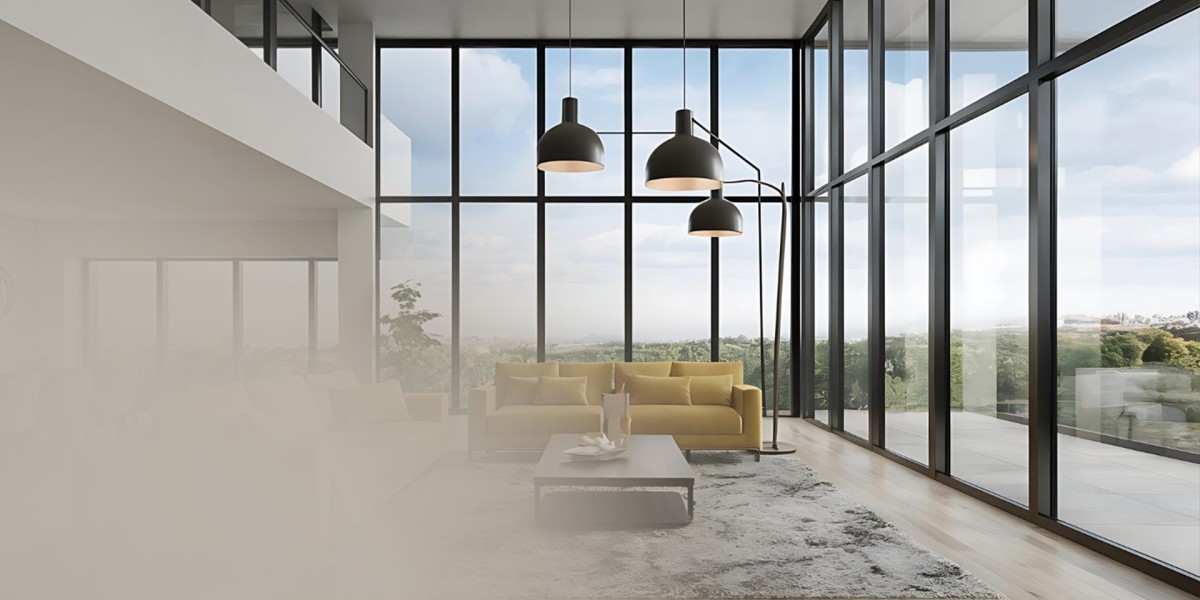

Every room in a home uses its windows differently, so one film rarely suits them all. When people look into window film Abu Dhabi options, they often start with heat, but privacy, glare, safety and daylight matter just as much. This guide walks through each part of the house and explains which type of residential window film tends to work best, so you can plan a mix that fits how your family actually lives.
Start With the Main Film Types
Before going room by room, it helps to know the basic options. Most home films fall into a few groups.
Solar control films
These reduce the heat and light coming through the glass. Ceramic and nano-ceramic versions can cut heat well while staying fairly clear. Metallised versions reflect more and often look mirrored from outside.
Privacy films
Frosted, reflective and decorative films limit what people can see through the glass. Frosted types blur the view in both directions. Reflective types work best during the day, when the outside is brighter than the inside.
Safety and security films
Thicker films hold broken glass together. They help reduce injury from sharp fragments and make forced entry slower. They do not make glass unbreakable, but they add a useful layer of protection.
UV-blocking clear films
Some films are almost invisible and mainly cut UV light. They suit rooms where you want to keep the view and brightness exactly as they are, but slow down fading.
Living Room
The living room usually has the largest glass in the home. Full-height windows and sliding doors to a garden or balcony are common, and this is where the family spends much of the day.
Main concerns
Heat building up in the afternoon, especially on west-facing glass.
Glare on televisions and laptops.
Fading of sofas, rugs, cushions, artwork and wooden floors.
Safety around large doors that see a lot of foot traffic.
Suitable film choices
A clear or lightly tinted ceramic solar film is often a good fit. It reduces heat and UV while keeping the view to the garden or skyline. If the room faces the street closely, a light reflective film can add daytime privacy.
For large sliding doors, a combined solar and safety film is worth considering. It keeps the room cooler and helps hold glass in place if a pane is knocked and breaks.
Things to avoid
Very dark films can make a living room feel gloomy, especially in the evening. Heavily mirrored films may also clash with building rules in apartment towers, so check before choosing them.
Bedrooms
Bedrooms need calm, comfortable conditions for rest. The priorities are different from the busy living spaces downstairs.
Main concerns
Early morning sun waking people too soon, especially on east-facing windows.
Privacy from neighbours, streets or nearby towers.
Heat that makes rooms stuffy at night.
Suitable film choices
A medium-tint solar film can soften bright morning light and reduce heat without blacking out the room. Combined with curtains or blinds, it gives good control over light at different times of day.
For street-facing or ground-floor bedrooms, privacy matters more. A reflective film helps during daylight hours, while frosted or gradient films give privacy both day and night.
Children's rooms
In children's rooms, safety is a strong reason to add a thicker film. If a window is hit by a toy or a fall, the film helps keep broken glass together. Many parents choose a residential window film that combines light solar control with a safety layer for these rooms.
Kitchen
Kitchens already produce heat from cooking and appliances. Adding strong sun through the windows can make them the least comfortable room in the house.
Main concerns
Extra heat on top of cooking heat.
Glare on work surfaces and screens.
Keeping enough natural light to work safely.
Suitable film choices
A clear or light ceramic solar film suits most kitchens. It cuts heat and UV while keeping bright, natural light for preparing food.
If the kitchen window looks directly onto a neighbour's house or a shared path, a partial frosted band at eye level can add privacy while keeping the top of the window clear.
Practical note
Kitchen glass gets splashes, steam and grease. Ask about cleaning advice for the film you choose, and use only mild, non-abrasive cleaners on it.
Bathrooms
Bathrooms need privacy above almost everything else, but most people still want daylight.
Main concerns
Complete privacy at all times of day and night.
Letting in soft, natural light.
Moisture and humidity.
Suitable film choices
Frosted or etched-look films are the most common choice. They blur the view in both directions, so privacy does not depend on whether it is brighter inside or outside. This is an important difference from reflective films, which lose their privacy effect at night.
Decorative patterns, stripes or gradients can add style while still blocking the view. Some homeowners prefer a gradient that is solid at the bottom and clearer at the top to bring in more light.
Glass shower screens
Glass shower screens and bathroom partitions can also take a frosted or safety film. A safety layer here can help hold glass together if a screen is damaged, which adds peace of mind in a room with hard, wet floors.
Home Office
Many people now work from home at least part of the week. A home office has specific needs linked to screens and long hours at a desk.
Main concerns
Glare on monitors and laptops.
Heat that makes long working hours uncomfortable.
Privacy for video calls and paperwork.
Protecting equipment from direct sun.
Suitable film choices
A moderate solar film that cuts glare is usually the best starting point. It does not need to be very dark to make screens easier to read. Ceramic films are often chosen because they reduce heat while keeping colours looking natural.
If the desk faces a window that neighbours can see into, a light reflective film can help during working hours. For glass office doors inside the home, a frosted film gives privacy without blocking light from the hallway.
Balancing light and focus
Natural light helps many people feel more alert. The goal is to reduce harsh glare, not remove daylight. Choosing a lighter residential window film for the home office often gives a better working environment than a heavy tint.
Stairwells, Skylights and Atriums
Stairwells and skylights are often forgotten, but they can be the hottest spots in a villa.
Main concerns
Heat building up at the top of stairs and on upper landings.
Strong overhead sun through skylights.
Safety on glass balustrades and large stair windows.
Difficult access for cleaning and maintenance.
Suitable film choices
Skylights take sun from almost directly above for much of the day. A strong solar control film can make a clear difference to comfort on the landing and the rooms nearby.
Large stairwell windows and glass balustrades benefit from a safety film. If the glass breaks, the film helps keep fragments from falling onto the stairs below.
Glass compatibility
Skylights and large stair windows are often double glazed or made from special glass. Some films can increase heat stress on certain glass types. Ask your installer to confirm that the chosen film is suitable before fitting it to these panes.
Other Spaces Worth Considering
Entrance and front door glass
Glass panels beside or within the front door give visitors a view into the hall. A frosted or decorative film adds privacy, and a security film helps slow down anyone trying to break the glass to reach a lock.
Majlis and guest rooms
Guest areas often face the front of the villa. Privacy films are popular here, sometimes in decorative patterns that suit the interior style. Solar control helps keep these rooms comfortable when they are used for long gatherings.
Garages and utility rooms
These spaces rarely need a high-end finish. A basic solar or frosted film can reduce heat and hide stored items from view.
Putting Together a Whole-Home Plan
Once you know what each room needs, you can build a plan that works for the whole property.
Group windows by job
Heat and glare first: west and south facing living areas, skylights and home offices.
Privacy first: bathrooms, street-facing bedrooms, entrances and guest rooms.
Safety first: sliding doors, children's rooms, stairwells and ground-floor glass.
View first: rooms where a clear outlook matters most, using light or UV-only films.
Keep the outside looking consistent
In villas and apartments, the outside appearance matters. Mixing very different films on one side of the building can look uneven. Many window film abu dhabi projects keep one main solar film on all visible glass and use frosted or decorative films only where they are needed.
Check the rules
Apartment owners should check building guidelines on facade appearance. Tenants should get written permission from the landlord. Some communities also have design rules for villas, so it is worth asking before work starts.
Questions to Ask Before Installation
A good installer should be happy to answer these questions clearly.
Which film do you recommend for each room, and why?
What are the heat rejection, light transmission and UV figures?
Is each film suitable for my glass type, including double-glazed and tinted units?
How will the films look from outside during the day and at night?
What warranty covers the film and the fitting work?
How long should I wait before cleaning the windows?
Asking for a written quote that lists each window and its chosen film makes it much easier to compare offers. When reviewing quotes for window film abu dhabi homes, check that each film is matched to the room rather than one product being used everywhere by default.
Caring for Your New Film
Once fitted, film needs very little attention, but a few habits help it last.
Curing period
Small water bubbles or a slight haze are normal at first. They usually clear as the adhesive dries, which tends to be faster in warm weather.
Everyday cleaning
Use a soft cloth, microfibre or rubber squeegee.
Choose mild, ammonia-free cleaning solutions.
Avoid scrapers, blades and rough sponges.
Be careful when removing stickers or suction hooks.
When to call for help
Contact the installer if you see peeling edges, bubbles that do not clear after the curing period, or unusual marks. These issues may be covered by the warranty.
Final Thoughts
Thinking room by room is the simplest way to get the most from window film. Each space has its own balance of heat, light, privacy and safety, and the right film for a bathroom is rarely the right film for a living room.
Start with how you use each room, check your glass type and any building rules, and ask clear questions before choosing. With a thoughtful plan, window film abu dhabi homeowners can create a home that feels cooler, more private and safer in every room. A well-matched residential window film in each space turns large, sunny windows from a daily challenge into one of the best features of the house.










