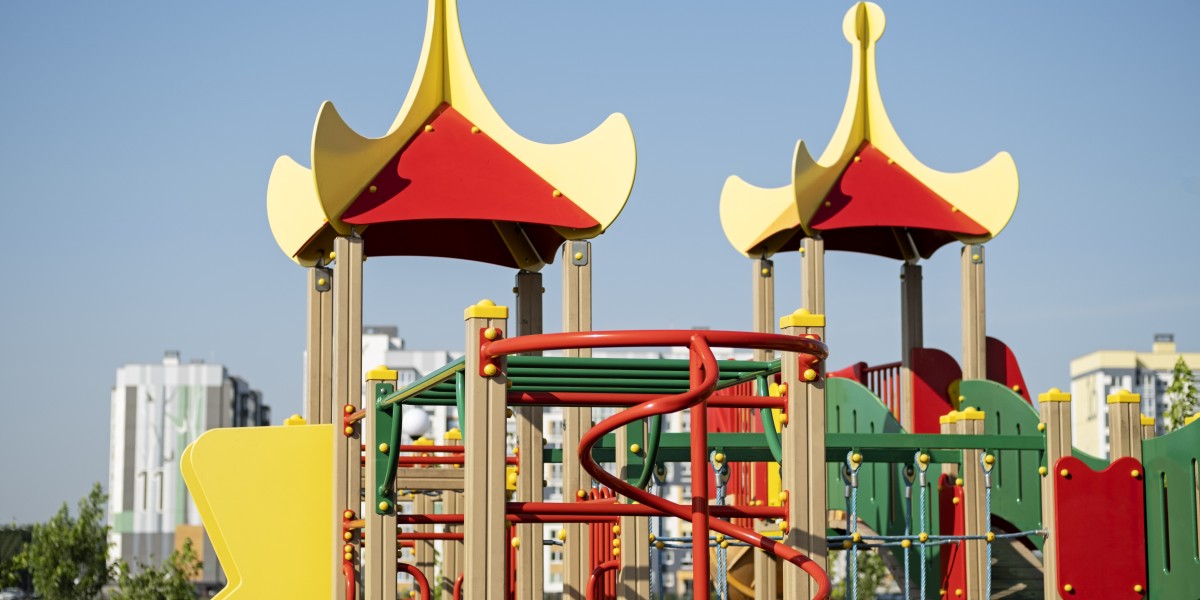

A good playground is one of the most useful spaces a school or neighbourhood can have. Children run, climb, balance and make friends there, and parents feel more relaxed when they know the space is built with care. If you are planning a new play area or upgrading an old one, working with an experienced childrens play equipment supplier UAE can help you avoid costly mistakes and create a space that stays safe for years.
Planning a safe playground is not only about buying good equipment. It involves choosing the right location, thinking about the climate, selecting safe surfaces, following standards, and setting up a clear maintenance routine. This guide walks through each step in simple terms so school leaders, nursery managers, community committees and property developers can plan with confidence.
Why Playground Safety Matters
Play is essential for healthy growth. It builds strength, coordination, confidence and social skills. But poorly planned play areas can lead to falls, burns, pinched fingers and other injuries that are easy to prevent.
A safe playground gives you:
Fewer accidents and less first aid pressure on staff
Greater trust from parents and residents
Lower long-term repair and replacement costs
A space children actually want to use every day
Better compliance with local authority and school inspection requirements
Safety and fun are not opposites. The best playgrounds offer real challenge, such as climbing and balancing, while managing risk so that a small slip does not become a serious injury.
Start With a Clear Plan
Before looking at slides and swings, take time to understand what the space needs to achieve.
Know Your Users
Ask who will use the playground and when. A nursery serving children aged two to four needs very different equipment from a primary school with children up to eleven. A community park may need to serve toddlers, older children and even teenagers at the same time.
Consider:
The age range of children
How many children will use the space at once
Whether children with disabilities will use it
Peak usage times, such as break times or evenings
Whether adults need seating and shade nearby
Define Your Goals
Some schools want a playground that supports physical education. Others want quiet corners for imaginative play. Communities may want a meeting point for families. Writing down two or three clear goals helps guide every later decision.
Set a Realistic Budget
Your budget should cover more than the equipment. Include site preparation, safety surfacing, shade structures, fencing, installation, inspection and ongoing maintenance. It is better to build a smaller, well-made playground than a larger one that cuts corners on safety.
Choosing the Right Location
The position of a playground has a big effect on how safe and comfortable it is.
Visibility and Supervision
Place the play area where teachers, carers or parents can see it easily. Avoid hidden corners behind buildings or dense planting. Clear sight lines allow adults to spot problems quickly.
Distance From Hazards
Keep the playground away from car parks, roads, water features, delivery areas and plant rooms. If this is not possible, use secure fencing with self-closing gates so younger children cannot wander out.
Access and Drainage
Make sure the site is easy to reach for all users, including those using wheelchairs or pushchairs. Check that rainwater drains away properly. Although rain is not frequent in the UAE, sudden heavy showers can create puddles that make surfaces slippery and damage equipment bases.
Planning for the UAE Climate
Heat is one of the biggest safety concerns for outdoor play in the region. Metal slides and dark surfaces can become hot enough to burn skin during summer months.
Provide Shade
Shade is not a luxury here. It is a basic safety feature. Options include:
Shade sails over key play zones
Fixed canopies or roofs over equipment
Trees planted around the edges of the area
Covered seating for supervising adults
Plan shade so it covers slides, platforms and surfaces during the hours when children will use the playground most.
Choose Heat-Friendly Materials
Ask for materials that stay cooler and resist sun damage. Powder-coated steel, UV-stabilised plastics and treated timber all perform differently in high heat. Lighter colours absorb less heat than darker ones. A knowledgeable childrens play equipment supplier UAE will be able to explain which materials handle the local sun, sand and humidity best.
Think About Timing and Hydration
Even with good shade, schools may need to adjust outdoor play times during the hottest months. Place drinking water fountains near the play area so children can stay hydrated.
Safety Surfacing Matters Most
Most playground injuries come from falls. The surface under and around the equipment is therefore one of the most important safety decisions you will make.
Types of Impact-Absorbing Surfaces
Common choices include:
Wet-pour rubber: A seamless, durable surface that is easy to clean and suitable for wheelchairs.
Rubber tiles: Good shock absorption and easy to replace in sections.
Artificial grass with shock pads: Looks natural and stays softer than plain turf, but must include a proper underlay.
Loose fill such as sand or bark: Low cost, but needs regular raking and topping up, and sand can hide litter.
Match Surface Depth to Fall Height
Every piece of equipment has a critical fall height. The surfacing below it must be thick enough to absorb the impact from that height. Your installer should confirm that the surface meets the required rating for each item.
Mind the Safety Zones
Each piece of equipment needs a clear area around it, often called a use zone. Swings, for example, need extra space in front and behind. Do not let use zones overlap with busy paths or other equipment.
Selecting Safe Equipment
Once the layout and surfacing are planned, you can choose equipment that fits the space and the children.
Follow Recognised Standards
Ask for equipment that is designed and tested to recognised international playground safety standards. These cover issues like head and finger entrapment, sharp edges, platform heights and guard rails. Keep copies of certificates for your records and for inspections.
Group Equipment by Age
Separate areas for younger and older children reduce collisions and keep toddlers away from equipment that is too challenging. Use low fences, planting or colour changes in the surface to mark each zone.
Check the Details
When reviewing equipment, look for:
Rounded corners and smooth edges
No gaps that could trap heads, fingers or clothing
Secure handrails and barriers on raised platforms
Enclosed or recessed bolts
Stable anchoring into the ground
Non-slip steps and platforms
Designing for Inclusion
Every child deserves the chance to play. Inclusive design means children with different physical, sensory and learning needs can join in alongside their friends.
Ideas that work well include:
Ramps and wide paths leading onto equipment
Ground-level play panels with sounds, textures and puzzles
Accessible swings with supportive seats
Wide slides that allow a carer to ride along
Quiet spaces for children who feel overwhelmed
Clear colour contrasts to help children with low vision
Inclusive playgrounds also benefit everyone. Wide paths help parents with pushchairs, and sensory panels are popular with all young children.
Planning the Layout
A clear layout keeps play flowing and reduces accidents.
Create Logical Zones
Divide the space into areas such as active play, quiet play and social space. Put busy equipment like swings and slides away from quieter areas like sandpits or seating.
Manage Traffic Flow
Children often run straight from one item to the next. Leave enough space for them to move safely without cutting across swing paths or slide exits. Paths should be wide, level and clearly marked.
Include Seating and Boundaries
Benches for supervising adults, fencing around the edge and a clear entrance help the space feel organised and safe. Signage showing age guidance and basic rules is also useful in community settings.
Professional Installation
Even the best equipment can be dangerous if it is installed badly. Poor foundations, loose fixings or wrong surface depths can create hidden risks.
Make sure installation is carried out by trained teams who:
Follow the manufacturer's instructions exactly
Set proper concrete footings
Check levels and alignment
Install surfacing to the correct depth
Clean the site and remove debris before handover
Ask for a post-installation inspection before children use the playground. This confirms that everything has been installed correctly and meets safety requirements.
Inspection and Maintenance
A playground is only as safe as its last check. Heat, sand and constant use all cause wear over time.
Daily Checks
Staff or caretakers can do a quick visual check each day, looking for:
Broken or missing parts
Litter, glass or sharp objects
Hot surfaces during summer
Loose fill that has moved away from high-use areas
Regular Inspections
Plan more detailed inspections monthly or quarterly. These should check fixings, moving parts, chains, bearings, surfacing and signs of rust or cracking.
Annual Professional Review
An independent annual inspection gives a full picture of the playground's condition. Keep written records of all inspections and repairs. These records are useful for school inspections and insurance purposes.
Plan for Repairs and Spare Parts
Choose equipment with good after-sales support. A reliable childrens play equipment supplier uae should offer spare parts, repair services and advice on extending the life of your playground.
Involving the Community
The people who use a playground often have the best ideas about what it needs.
Ask children what they enjoy and what they would like to see
Invite parents and teachers to share concerns and suggestions
Talk to residents about noise, opening hours and seating
Share the final design before work begins
Involving users early builds a sense of ownership. When people feel the playground belongs to them, they are more likely to report problems and look after the space.
Working With the Right Partner
Choosing a partner is one of the most important decisions in the whole project. A good partner will help you from the first site visit through to aftercare.
Look for a team that offers:
Site surveys and design advice
Equipment tested to recognised standards
Local knowledge of climate and regulations
Experienced installation teams
Clear warranties and maintenance plans
References from schools, nurseries or communities
Ask to see completed projects and speak to past clients if possible. An experienced childrens play equipment supplier uae will be happy to share examples and explain how they handled similar sites.
Common Mistakes to Avoid
Many playground problems come from a few simple errors. Try to avoid:
Choosing equipment before planning the space
Ignoring shade and heat in the design
Skimping on safety surfacing to save money
Mixing toddler and older child equipment in one area
Forgetting about accessibility
Having no plan for maintenance after installation
Taking a little extra time at the planning stage can prevent years of safety concerns and repair bills.
Final Thoughts
A safe playground is the result of careful planning, not luck. By understanding who will use the space, choosing a good location, planning for the heat, investing in proper surfacing and selecting well-made equipment, you create a place where children can play freely and adults can supervise with peace of mind.
Remember that safety continues long after installation. Daily checks, regular inspections and quick repairs keep the playground in top condition. Involving children, parents and staff in the process also helps the space meet real needs.
Whether you are planning for a nursery, a school or a residential community, start with clear goals, think about every child who will use the space, and choose partners who share your commitment to safety. The result will be a playground that brings joy, activity and friendship to your community for many years to come.