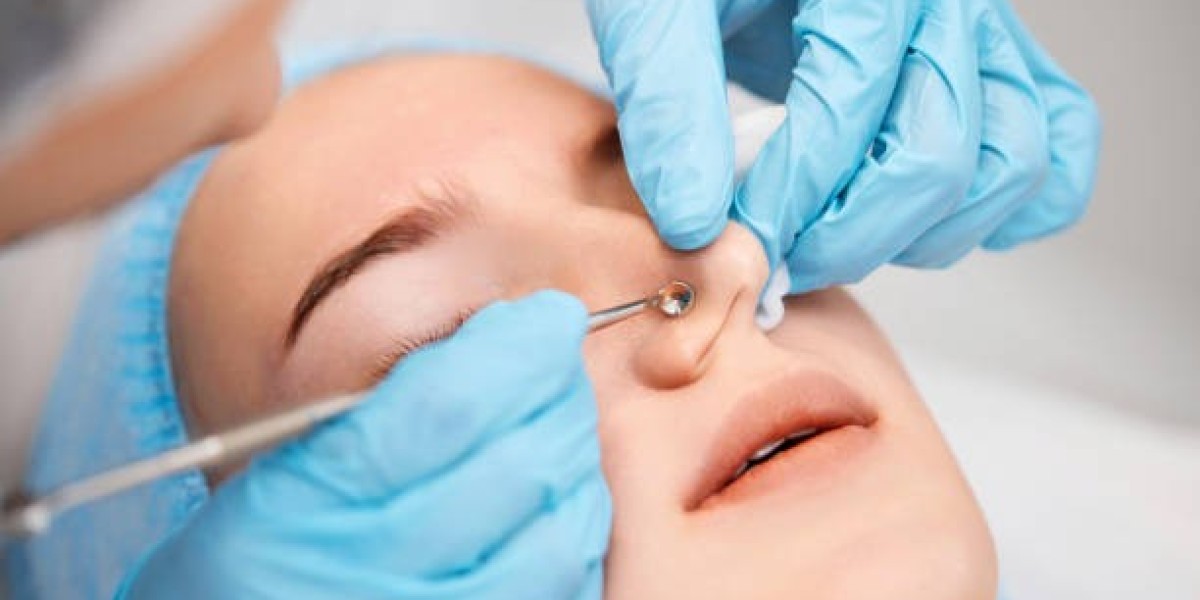

Rhinoplasty is a surgical procedure designed to reshape the nose, improve facial harmony, and sometimes address breathing difficulties. Although the procedure can create noticeable changes, the final outcome depends on several factors, including nasal anatomy, skin thickness, surgical technique, and postoperative care. Understanding these influences helps patients develop realistic expectations and make informed decisions before surgery. If you are considering Rhinoplasty in Riyadh, learning what affects surgical results can help you prepare for the procedure and understand the importance of individualized treatment planning.
Understanding the Factors That Influence Rhinoplasty Results
Every nose has a unique structure, and each patient has different aesthetic goals and functional needs. A successful outcome requires balancing the desired appearance with the nose's natural proportions and ability to function properly. Several factors influence how the nose heals and how closely the final result aligns with the planned changes.
Nasal Anatomy and Existing Structure
The underlying structure of the nose plays an important role in determining what changes are possible. Rhinoplasty may involve modifying cartilage, nasal bones, or the internal structures that support breathing.
Patients with thicker or stronger cartilage may have different surgical options from those with weaker or more delicate structures. Previous injuries, a deviated septum, asymmetry, or an existing structural weakness can also affect the surgical plan. A thorough examination helps the surgeon determine which changes are realistic while maintaining nasal support and function.
Skin Thickness and Quality
Skin characteristics can influence how clearly the new nasal shape becomes visible after surgery.
Thick Nasal Skin
Thicker skin and soft tissue can make subtle changes to the underlying cartilage and bone less noticeable. Swelling may also take longer to settle, particularly around the nasal tip. Patients with thick skin may need to wait longer before the final contours become apparent.
Thin Nasal Skin
Thin skin may reveal small irregularities in the underlying structure more easily. Although swelling can sometimes resolve sooner, minor differences in cartilage or bone may remain visible during healing. Surgical planning must account for these characteristics to achieve a balanced result.
Skin Elasticity
Skin elasticity affects how the soft tissue adapts to the reshaped nasal framework. Its behavior varies between individuals, so the surgeon must consider how the skin is likely to settle over the new structure.
The Experience and Technique of the Surgeon
The surgeon's qualifications, experience, and understanding of nasal anatomy are important considerations when planning rhinoplasty. Different techniques may be appropriate depending on the patient's goals, nasal structure, and functional concerns.
An open or closed approach may be used, and the choice depends on the complexity of the procedure rather than a single method being best for everyone. Careful surgical planning aims to create a proportionate appearance while preserving or improving breathing where possible. Choosing a qualified surgeon who explains the benefits, limitations, and risks of the recommended technique can help patients make informed decisions.
Facial Proportions and Aesthetic Goals
The nose is an important part of overall facial balance. Changes that look suitable on one person may not produce the same effect on someone with different facial features.
The surgeon considers the relationship between the nose, chin, forehead, lips, and cheeks when planning the procedure. Patients should discuss their concerns and preferred changes during consultation, while remaining open to professional guidance about what suits their anatomy. Digital simulations, when offered, may help communicate goals but cannot guarantee an exact surgical outcome.
Healing Process and Postoperative Care
Recovery is an essential part of the overall rhinoplasty journey. Swelling, bruising, and temporary changes in nasal appearance are common, and the nose gradually settles as tissues heal.
Following postoperative instructions can help protect the surgical area and reduce avoidable complications. Patients may be advised to:
Keep the nose protected from accidental bumps or pressure.
Avoid strenuous exercise and contact sports until medically cleared.
Follow instructions for cleaning the nasal area and caring for any dressings.
Attend scheduled follow-up appointments.
Avoid smoking and nicotine products, which can impair wound healing.
Take medications only as directed by the surgical team.
Not every aspect of healing is within a patient's control. Even with careful aftercare, swelling and tissue changes can affect the final appearance.
Age and General Health
Age and overall health may influence surgical planning and recovery. Rhinoplasty is generally considered when facial growth is sufficiently complete, with the appropriate timing depending on individual development and medical circumstances.
Certain health conditions, medications, and lifestyle factors may affect anesthesia, bleeding risk, or wound healing. Patients should share their medical history and all medications and supplements with their surgeon before surgery. A preoperative assessment helps identify concerns that may require additional precautions.
Previous Rhinoplasty or Nasal Injury
Revision rhinoplasty can be more complex than an initial procedure because scar tissue and changes to the cartilage or bone may limit available options. Previous surgery can also alter the nose's support structures.
Likewise, past nasal injuries may cause asymmetry or internal damage that influences surgical planning. The surgeon will assess the current anatomy and explain which improvements may be achievable. Revision procedures may have additional limitations and risks, so realistic expectations are especially important.
Swelling, Scarring, and the Time Needed for Final Results
Rhinoplasty results do not appear immediately. Early swelling can make the nose look larger or less defined than expected, particularly around the tip. Much of the swelling usually improves over the first several weeks and months, but subtle changes may continue for a year or longer.
Scar formation varies depending on the surgical approach, individual healing, and other factors. External incisions, when used, are generally placed to minimize visibility, but scars may not disappear completely. Patients should avoid judging the final outcome too early and should discuss persistent concerns during follow-up appointments.
How to Set Realistic Expectations Before Rhinoplasty
Good communication with your surgeon is essential. Before surgery, discuss your priorities, any breathing problems, relevant medical history, and the changes you hope to achieve. Ask about the limitations of your nasal anatomy, possible complications, expected recovery, and whether additional treatment could be needed.
Rhinoplasty can improve selected features, but perfect symmetry or an exact match to a reference photograph cannot be guaranteed. The goal is an appropriate result that considers facial proportions, nasal function, and your individual anatomy.
Book a Rhinoplasty Consultation at Royal Clinic Saudia
If you are considering Rhinoplasty in Riyadh, Royal Clinic Saudia can help you explore your options, understand the factors that may influence your results, and discuss an individualized surgical plan. Book a consultation to review your goals, ask questions, and learn what to expect throughout the rhinoplasty process.
FAQs:
What is the most important factor affecting rhinoplasty results?
There is no single factor that determines the outcome. Nasal anatomy, skin thickness, surgical planning, healing, and postoperative care all contribute to the final result.
Does thick skin affect rhinoplasty results?
Yes. Thick nasal skin can make subtle changes less visible and may cause swelling to take longer to settle, particularly around the tip. Your surgeon can explain how your skin characteristics affect the expected outcome.
How long does it take to see the final rhinoplasty results?
Many changes become noticeable as swelling decreases over the first several weeks and months. However, subtle swelling and tissue changes can continue for a year or longer, especially around the nasal tip.
Can lifestyle habits affect rhinoplasty recovery?
Yes. Smoking and nicotine use can impair wound healing, while accidental pressure, premature strenuous activity, and not following postoperative instructions may increase risks. Following your surgeon's guidance can help support recovery, although it cannot guarantee a particular result.