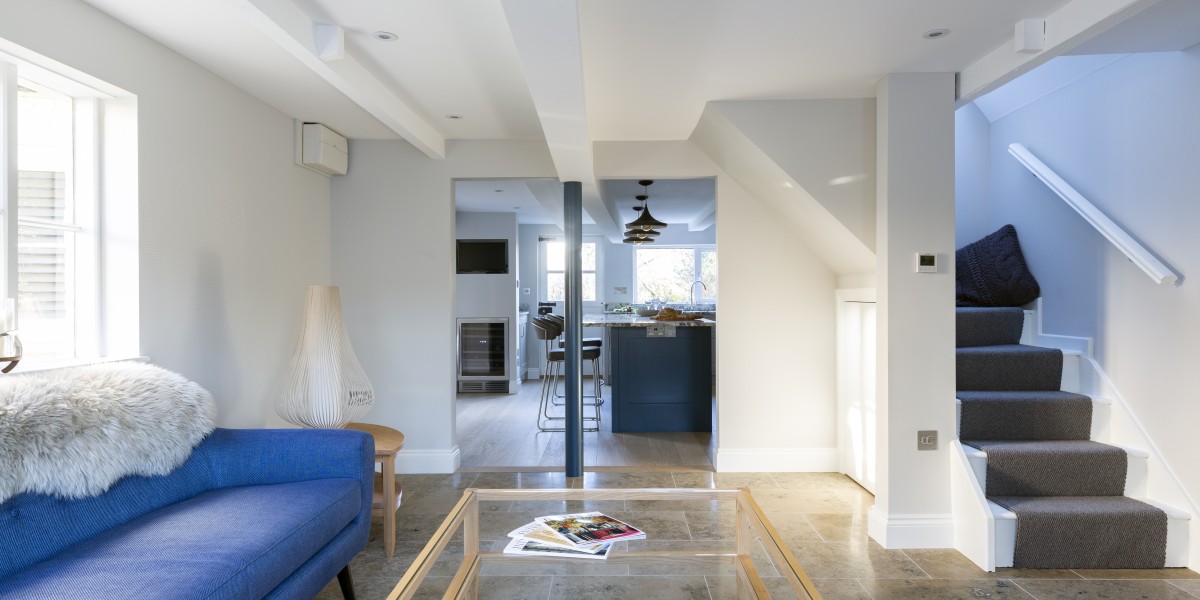

Some furniture trends disappear within a few years, while others continue to influence interior design for generations. Originally popularized during the middle decades of the twentieth century, this style remains a favorite among homeowners, collectors, and professional interior designers. Mid-century modern furniture belongs firmly in the second category, admired for its clean lines, natural materials, functional designs, and understated elegance. Its ability to balance visual simplicity with everyday comfort makes it suitable for everything from compact apartments to spacious family homes. Whether you prefer vintage pieces or contemporary interpretations, understanding the enduring appeal of this design movement can help you create interiors that remain attractive for years.
The History Behind Mid-Century Modern Furniture
Mid-century modern design developed primarily between the 1940s and 1960s, when designers began rethinking how furniture could support changing lifestyles. Influenced by European modernism, Scandinavian craftsmanship, and advances in manufacturing, the movement emphasized practical forms and accessible design. Instead of relying on elaborate carvings and heavy ornamentation, designers explored clean silhouettes, organic curves, and innovative materials. These ideas reflected a growing interest in comfortable, functional homes that felt open and welcoming. Over time, the movement established a distinctive visual identity that continues to inspire contemporary interiors.
The period also introduced new opportunities for experimentation with materials and production techniques. Designers explored molded plywood, fiberglass, tubular steel, and different upholstery methods to create furniture that was both practical and visually interesting. Natural woods such as teak and walnut became especially popular because of their attractive grain patterns and warm tones. These materials allowed designers to create pieces that felt modern without appearing cold or impersonal. The combination of innovation, craftsmanship, and functionality helped establish a design language that remains recognizable today.
Several influential designers contributed to the movement's lasting reputation. Charles and Ray Eames became known for their experiments with molded plywood and innovative seating, while Hans Wegner developed chairs celebrated for their elegant forms and woodworking. Arne Jacobsen introduced sculptural seating designs, and Eero Saarinen explored graceful shapes in furniture such as the Tulip Table. Their work demonstrated that everyday objects could be useful, comfortable, and artistically expressive at the same time. Although contemporary interiors have evolved considerably, these principles continue to shape how furniture is designed and selected.
Timeless Design That Balances Beauty and Function
One of the strongest reasons mid-century modern furniture remains popular is its ability to combine visual appeal with everyday practicality. Furniture from this tradition generally avoids unnecessary decoration, allowing proportions, materials, and construction to define its character. Tapered legs, streamlined frames, geometric shapes, and gentle curves create pieces that look distinctive without overwhelming a room. This simplicity makes it easier to incorporate individual items into different decorating styles. A well-designed wooden cabinet or lounge chair can remain visually relevant even as surrounding colors, accessories, and interior trends change.
Functionality is equally important to the movement's enduring appeal. Designers considered how people would sit, work, eat, relax, and store their belongings rather than treating furniture as purely decorative. Cabinets often combine generous storage with relatively compact forms, while chairs balance carefully considered proportions with comfort. Dining tables and desks frequently feature straightforward structures that make them adaptable to different spaces. These practical qualities are especially valuable in modern homes, where rooms often need to serve several purposes throughout the day.
Another defining characteristic is the relationship between furniture and the surrounding space. Raised legs and open frames can make large pieces appear visually lighter, helping rooms feel less crowded. Simple silhouettes also allow natural light, architectural features, and decorative objects to remain prominent. Instead of filling every corner with furniture, homeowners can select a few distinctive pieces that establish the room's character. This approach creates interiors that feel organized, comfortable, and personal rather than overly decorated.
Natural Materials and Warm Colors That Never Feel Outdated
Materials contribute significantly to the lasting appeal of mid-century modern furniture. Walnut, teak, oak, leather, wool, and textured upholstery introduce warmth and depth without requiring elaborate patterns or decorative finishes. Wood grain provides natural variation, ensuring that each piece has its own visual character. When combined with metal, glass, or carefully chosen fabrics, these materials create contrast while maintaining a cohesive appearance. Their versatility makes them suitable for both traditional homes and contemporary spaces.
Color also plays an important role in creating the style's recognizable atmosphere. Warm wood tones often provide a neutral foundation, while mustard yellow, olive green, rust, teal, and muted blue introduce personality. Cream, beige, charcoal, and white can balance these stronger shades and prevent a room from feeling visually busy. However, there is no need to use every classic mid-century color in a single space. Choosing two or three complementary shades usually produces a more balanced result that can adapt to changing preferences.
The appeal of these materials extends beyond appearance because they can develop character through use. Solid wood furniture may acquire a rich patina over time, while quality leather can soften and change subtly with age. Properly maintained pieces can remain functional for many years, reducing the need for frequent replacements. Nevertheless, durability depends on the specific material, construction, maintenance, and conditions in which the furniture is used. Selecting well-made furniture and following appropriate care instructions helps preserve both its appearance and practical value.
How Mid-Century Modern Furniture Adapts to Contemporary Homes
Modern homes often combine open layouts, multifunctional rooms, and a mixture of architectural styles. Mid-century modern furniture works particularly well in these environments because its clean shapes and restrained details can complement many different surroundings. A wooden sideboard can provide storage in an open-plan living area, while a sculptural armchair can create a comfortable reading corner. These pieces add visual interest without competing with contemporary lighting, minimalist accessories, or textured fabrics. Their adaptability allows homeowners to create a coordinated interior without following one design style too rigidly.
This flexibility also makes it easy to mix vintage furniture with newer pieces. An original mid-century coffee table can sit comfortably beside a contemporary sofa, provided their proportions, colors, and materials work together. Similarly, a modern dining table inspired by classic designs can complement vintage chairs or traditional architectural details. The goal is not to make every object look as though it came from the same decade. Instead, combining contrasting elements thoughtfully creates a layered interior that feels authentic and reflects the homeowner's personality.
Scale is particularly important when incorporating mid-century pieces into contemporary rooms. A large sectional sofa may need a coffee table with sufficient visual weight, while a compact apartment might benefit from a slender console or a small dining table with an open base. Measuring the room and considering walking space before purchasing furniture helps prevent overcrowding. It is also useful to repeat a few finishes, such as walnut wood or brushed metal, throughout the room. These subtle connections help different pieces feel intentional without making the space look overly coordinated.
Home Office Styling With Mid-Century Modern Furniture
The enduring practicality of this design movement makes it an excellent choice for home office styling. A streamlined wooden desk, comfortable chair, and compact storage cabinet can create a workspace that feels professional without sacrificing warmth. Rather than filling the room with bulky furniture, choose pieces with balanced proportions and functional features. A desk with clean lines can serve as the focal point, while open shelving or a low credenza keeps supplies organized. This approach helps establish a productive environment that feels connected to the rest of the home.
Comfort should remain a priority when selecting furniture for a workspace. Although classic mid-century chairs are visually appealing, not every vintage design provides the adjustable support needed for long periods of computer work. Consider using an ergonomic office chair alongside a mid-century-inspired desk to combine style with practical comfort. Check desk height, available legroom, screen placement, and lighting before finalizing the arrangement. A well-planned workspace should support good working habits rather than prioritize appearance alone.
Accessories can strengthen the design without introducing unnecessary clutter. A warm desk lamp, a small plant, framed artwork, or a textured rug can soften the workspace and introduce color. Wooden organizers and simple storage boxes help maintain order while complementing the furniture's natural materials. Keep frequently used items within easy reach and reserve decorative objects for areas that do not interfere with daily tasks. Thoughtful home office styling demonstrates how mid-century design principles can support modern routines while creating a workspace that feels inviting and organized.
Sustainability, Quality, and Long-Term Value
Another reason mid-century modern furniture continues to attract attention is its connection with longevity and thoughtful consumption. Purchasing well-made furniture that can be maintained over time may reduce the need to replace inexpensive, short-lived items. Vintage furniture also offers an opportunity to reuse existing materials instead of always purchasing newly manufactured products. However, sustainability depends on several factors, including transportation, restoration requirements, material sourcing, and the condition of the item. Choosing durable furniture that meets your actual needs is generally a more practical approach than buying pieces simply because they are fashionable.
Quality should be evaluated carefully when purchasing vintage or contemporary furniture. Examine the frame, joints, hardware, finish, and upholstery, and check for damage that could affect everyday use. Original designer pieces may carry collectible value, but their prices can vary significantly according to condition, rarity, and documented history. Contemporary furniture inspired by the period can be a sensible alternative for buyers who prioritize affordability and convenient maintenance. In either case, transparent material descriptions and reliable construction are more meaningful indicators of quality than a style label alone.
Maintaining furniture properly can also extend its useful life. Protect wooden surfaces from excessive moisture and prolonged direct sunlight, use cleaning products suitable for each material, and address loose joints or minor damage before problems worsen. Upholstered furniture may require regular vacuuming or professional cleaning, depending on its fabric and care instructions. Vintage pieces with unusual finishes or previous restoration work may need specialized attention. With appropriate maintenance, thoughtfully selected furniture can remain useful and attractive through changing tastes and different stages of life.
Conclusion
Mid-century modern furniture has maintained its popularity because it offers a compelling combination of functionality, natural materials, clean design, and lasting versatility. Its history reveals a design movement built around improving everyday living, while its recognizable silhouettes make it easy to incorporate into contemporary interiors. From warm wooden cabinets to practical desks that support effective home office styling, these pieces can serve a wide range of needs without losing their visual appeal. The best results come from prioritizing quality, comfort, proportion, and personal preference rather than following trends blindly. By choosing furniture thoughtfully and caring for it properly, you can create a welcoming home that celebrates the enduring character of mid-century modern design.