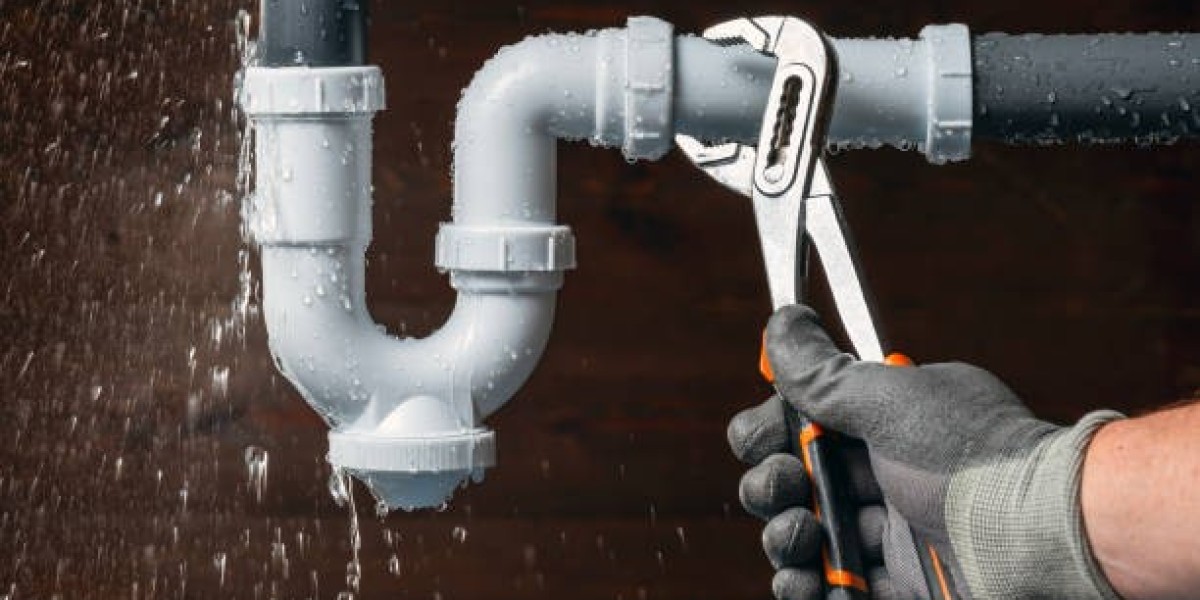

That sound. You know the one. A soft hiss or a trickle that starts up at 3 AM when the house is quiet, and now you can’t unhear it. A running toilet seems harmless. It’s not. It can waste hundreds of gallons a day, and you won’t notice until the water bill lands and you think there’s a typo.
I’ll go through why it happens, what you can fix yourself in ten minutes, and when it’s smarter to hand it off. Most of this is simple. Some of it isn’t.
What’s Actually Going On Inside That Tank
Pop the lid off and look. Seriously, it’s not gross, the tank holds clean water. Inside you’ve got a few parts working together. A flapper at the bottom that seals the water in. A fill valve that refills the tank after you flush. A float that tells the fill valve when to stop. And an overflow tube that catches extra water so it doesn’t spill on your floor.
When you flush, the flapper lifts, water rushes into the bowl, the flapper drops back down, the tank refills, done. When something in that chain goes wrong, the tank keeps leaking into the bowl and the fill valve keeps topping it off. Round and round. That’s your running toilet.
Knowing this alone makes the problem feel less mysterious. Most of the time it’s one cheap part.
The Flapper Is Usually the Culprit
If I had to bet, I’d bet flapper. It’s a rubber piece, and rubber doesn’t last forever. Add chlorine and chemicals from the water supply, and after five or six years it warps, hardens, or gets slimy. Then it can’t seal right.
Easy test. Drop a few drops of food coloring into the tank, don’t flush, wait fifteen minutes. If color shows up in the bowl, your flapper is leaking. That’s it, that’s the diagnosis.
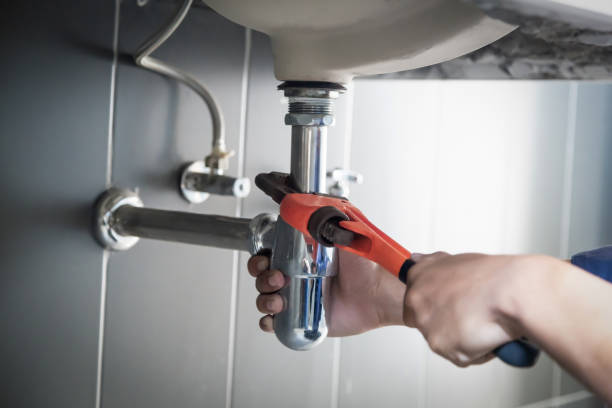
Replacement flappers cost a few bucks at any hardware store. Shut the water off at the wall valve behind the toilet, flush to empty the tank, unclip the old one, and snap in the new one. Take the old flapper with you to the store so you match the size. Wrong size, it won’t seal, and you’ve wasted a trip.
Other Reasons It Keeps Running
Sometimes it’s not the flapper. The chain might be too long and getting caught under it, or too tight and holding it open a hair. Fiddle with the length until there’s just a little slack.
The float could be set too high, which makes water spill into the overflow tube nonstop. Lower it, either by turning a screw on the fill valve or sliding a clip. Water level should sit about an inch below the top of that tube.
Then there’s the fill valve itself. These wear out, get gunked up with sediment, and start leaking or sticking. Around here, hard water doesn’t help. If you hear hissing even when the tank is full, that’s often the valve. They run around fifteen to twenty-five dollars and swapping one is doable if you’re handy. If you’re not, no shame in it.
Phantom Flushing and Other Weird Stuff
Ever hear your toilet kick on by itself, maybe once every half hour, for a few seconds? That’s called phantom flushing. It means water is slowly leaking out of the tank, the level drops a little, and the fill valve wakes up to top it off. It’s the same issue, just a slower version.
Don’t ignore it. Even slow leaks add up. A toilet that runs constantly can burn through two hundred gallons or more a day, according to plenty of utility estimates. Over a month, that’s real money.
Also check the base of the toilet. Water pooling around it, a wobble, a damp spot in the flooring nearby, that’s a different problem. A failing wax ring or a cracked tank needs more than a flapper swap, and left alone it can rot the subfloor.
When It’s Time to Call a Pro
You tried the flapper. Adjusted the float. Maybe replaced the fill valve. Still running? Time to call somebody. Same if you see water on the floor, if the toilet keeps clogging along with running, or if the shutoff valve behind it is stuck or leaking when you touch it. Old shutoff valves fail a lot, and forcing one can turn a small annoyance into a flood.
Good Fulshear plumbing companies will diagnose this fast, usually in one visit, and they’ll tell you straight whether it’s a twenty dollar part or a bigger issue. Fulshear has a lot of newer builds, but also plenty of homes with builder-grade fixtures that start wearing out after several years. Nothing weird about that.
If you’re a bit farther east, say near Katy or Cinco Ranch, the same logic applies. A reliable plumber in Cinco Ranch can usually handle this kind of thing same day or next.
What It Costs to Fix
People worry about this, so here’s the rough picture. DIY flapper or fill valve, you’re out maybe ten to thirty bucks. A plumber doing the same repair will charge a service fee plus labor, so figure somewhere in the range of one hundred to two hundred, depending on the company and time of day.
Replacing the whole toilet is more. Parts, labor, the new unit, haul-away of the old one. Often a few hundred dollars and up. Sometimes that’s actually the smarter move, especially on older toilets that use way more water per flush than modern ones. A newer high-efficiency model can pay for itself over time.
Ask for the price before work begins. Any honest shop will give you a range over the phone.
Keeping It From Happening Again
A little upkeep goes a long way. Every few months, lift the tank lid and look around. Check for mineral buildup, worn chain, rust on the hardware. Give the toilet a jiggle test. Listen for hissing when nobody’s flushed in a while.
Avoid those drop-in bleach tablets. They’re convenient, sure, but they eat rubber parts faster than almost anything. If you use them, don’t be surprised when the flapper dies early.
Replace the flapper every few years as a habit, it’s cheap insurance. And if hard water is chewing through your fixtures, a water softener or filter might be worth looking into. A plumber can test your water and tell you if it’s the problem.
Conclusion
A running toilet is annoying and wasteful, but it’s usually a quick fix. Check the flapper first, then the chain, float, and fill valve. Use the food coloring test, it’s easy. If the problem sticks around or you see water on the floor, stop experimenting and call someone who does this daily. Reliable Fulshear plumbing help can get it sorted before it turns into a bigger repair or a ridiculous water bill. Don’t wait on it. That little trickle never fixes itself.
FAQs
Why is my toilet running nonstop?
Most often it’s a worn flapper that doesn’t seal, but a misadjusted float, a bad fill valve, or a tangled chain can do it too.
How do I know if my toilet flapper is bad?
Add food coloring to the tank without flushing. If color appears in the bowl after about fifteen minutes, the flapper is leaking and needs replacing.
How much water does a running toilet waste?
It can waste hundreds of gallons a day depending on the leak. Even a slow one adds noticeable cost to your monthly water bill.
When should I call for Fulshear plumbing service instead of fixing it myself?
Call if basic fixes don’t work, if water is pooling around the base, if the shutoff valve is stuck, or if you’re not comfortable working on it.
Can I find a plumber in Cinco Ranch for a running toilet?
Yes, many local plumbers serve Cinco Ranch and nearby areas, and most can handle toilet repairs quickly. Ask about trip fees and pricing before they come out.
How much does it cost to repair a running toilet?
DIY parts usually run ten to thirty dollars. A professional repair typically costs more, often one hundred to two hundred, depending on the issue and company.