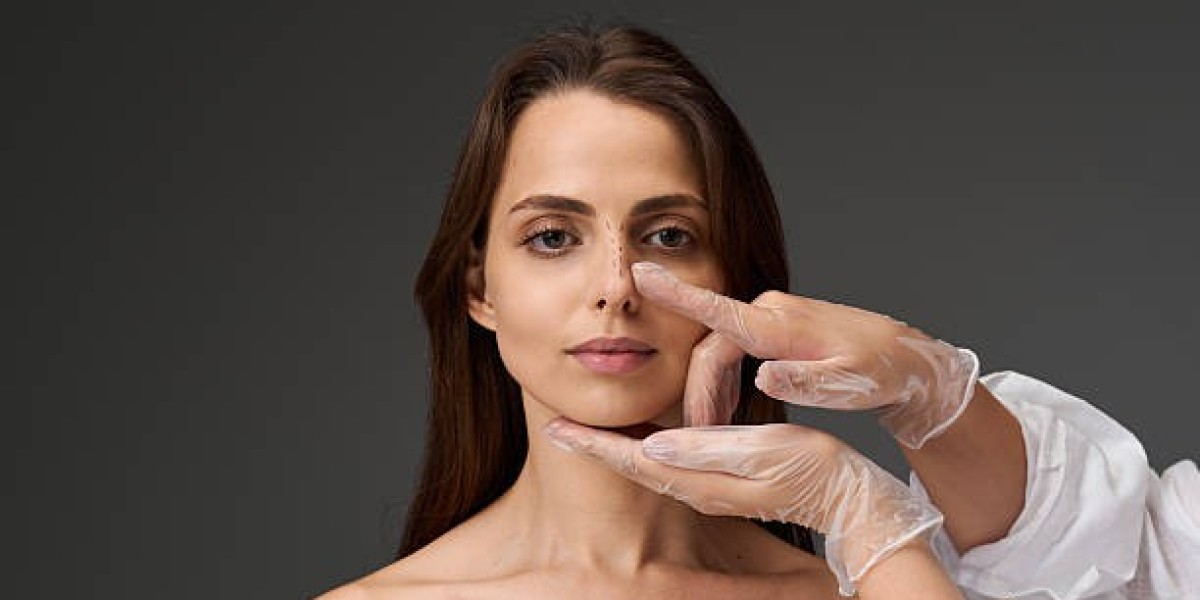

Recovering after rhinoplasty involves more than allowing the nose to heal. Your surrounding skin may also be sensitive, swollen, or irritated, making it important to choose the right time to resume your usual skincare and makeup routine. Although applying makeup may seem harmless, doing so too early can put pressure on the nose, irritate healing incisions, or interfere with postoperative care.
For patients considering Rhinoplasty in Riyadh (عملية تجميل الانف في الرياض), understanding when makeup can be safely reintroduced is an important part of recovery planning. Following your surgeon’s instructions can help protect healing tissues while allowing you to return to your normal beauty routine gradually.
How Soon Can You Wear Makeup After Rhinoplasty?
The appropriate time to resume makeup depends on the type of rhinoplasty performed, the location of your incisions, and your individual healing progress. Many patients may be able to apply makeup to areas away from the nose within several days, provided the skin is intact and their surgeon approves. However, applying makeup directly to the nose generally requires more caution.
If you have an external incision, such as the small incision used in open rhinoplasty, you should avoid applying cosmetics directly over it until it has healed sufficiently and your surgeon confirms that makeup is safe.
Even after the external splint is removed, the nasal skin and underlying tissues may remain sensitive. Do not assume that splint removal means you can immediately resume your complete makeup routine.
Why Should You Avoid Makeup Too Early?
Applying cosmetics too soon after surgery may interfere with healing in several ways.
Risk of Skin Irritation
After rhinoplasty, the skin around your nose may be dry, tender, or sensitive. Certain foundations, concealers, primers, and setting sprays contain ingredients that may irritate the skin or cause discomfort.
Introducing several products at once can make it difficult to identify the cause if irritation develops.
Pressure on the Healing Nose
Applying foundation or concealer often involves rubbing, blending, tapping, or using a sponge. These movements may place unwanted pressure on the nose, particularly during the early stages of recovery when tissues are swollen and delicate.
Avoid pressing, massaging, or dragging makeup tools across the nasal bridge, tip, or sides of the nose until your surgeon says these movements are safe.
Infection Concerns
Makeup products, brushes, sponges, and fingers can carry bacteria. Applying them near healing incisions may introduce contaminants to the area, particularly if the skin has not fully closed.
Using clean tools and avoiding unhealed areas can help reduce this risk. Makeup should never be used to cover an incision that is still open, draining, or otherwise showing signs of a problem.
Interference With Incision Care
Your surgeon may prescribe ointments or recommend specific cleaning procedures for incision sites. Makeup can interfere with these instructions or make it harder to monitor the area for redness, discharge, or other changes.
Follow your prescribed wound-care routine before returning to cosmetic products.
Which Areas Can You Apply Makeup to First?
Once your surgeon approves makeup use, you may be able to reintroduce products gradually, starting with areas that do not require touching or placing pressure on the nose.
Eyes and Eyebrows
Eye makeup may be easier to resume than foundation applied around the nose, provided the skin is comfortable and you can apply it without leaning on or touching the surgical area. Use clean brushes and avoid products that cause watering or irritation.
Cheeks and Forehead
You may be able to apply blush, bronzer, or foundation to the cheeks and forehead before applying products directly to the nose. Use gentle movements and keep makeup away from any incision or irritated skin.
Nose and Surrounding Skin
Makeup on the nose requires particular care because this area may have external incisions, swelling, or sensitivity. Wait until your surgeon confirms that the skin has healed sufficiently. When you receive approval, apply products gently without pressing or rubbing.
For people recovering from Rhinoplasty in Riyadh, the best approach is to follow a personalized timeline rather than relying only on a general number of days after surgery.
How to Apply Makeup Safely After Rhinoplasty
When your surgeon confirms that makeup is appropriate, a few precautions can help you return to your routine more comfortably.
Start with clean hands: Wash your hands before touching your face or handling cosmetic products.
Clean your makeup tools: Use clean brushes and sponges, and avoid sharing cosmetics with other people.
Choose gentle products: Fragrance-free products designed for sensitive skin may be more comfortable during recovery.
Apply makeup lightly: Use gentle tapping or minimal contact rather than vigorous rubbing or blending.
Avoid healing incisions: Do not apply cosmetics over open wounds, scabs that your surgeon has instructed you to leave undisturbed, or areas that are still draining.
Remove makeup carefully: Use a gentle cleanser approved by your surgeon and avoid rubbing the nose. Do not use cleansing wipes or other products if they pull on the skin or cause irritation.
Stop if discomfort develops: If a product causes burning, redness, or increased sensitivity, stop using it and seek advice if symptoms persist.
Do not remove nasal splints, tapes, or dressings to apply makeup. These should only be removed or adjusted according to your surgeon’s instructions.
When Can You Resume Your Full Skincare Routine?
Makeup is only one part of your beauty routine. Other products, including exfoliants, retinoids, chemical peels, facial scrubs, and active acne treatments, may irritate sensitive skin after surgery.
Avoid restarting these products until your surgeon confirms that your skin has recovered sufficiently. You should also postpone facials, facial massage, and treatments involving pressure on the nose until you receive medical clearance.
If you are using sunscreen, ask your surgeon which formulation and application method are suitable for your current stage of recovery. Protecting healing skin from excessive sun exposure is important, particularly around incision sites.
What If You Accidentally Apply Makeup Too Early?
If you accidentally apply makeup before you are cleared to do so, do not panic. Avoid further application and gently follow your surgeon’s approved cleaning instructions. Do not scrub the area or attempt to remove products from an incision using alcohol, harsh cleansers, or other unapproved substances.
Contact your surgical team if you notice increasing redness, worsening pain, unusual discharge, or persistent irritation. Seek prompt medical advice if the incision opens or you develop signs of infection.
Book a Rhinoplasty Consultation at Royal Clinic Saudia
Understanding postoperative care before surgery can help you prepare for a more comfortable recovery. Royal Clinic Saudia (عيادات رويال كلينك) can be a starting point for discussing your nasal concerns, treatment options, and the aftercare guidance required following rhinoplasty.
If you are considering Rhinoplasty in Riyadh, ask your medical provider when you can safely resume makeup, skincare products, and other facial treatments. Your surgeon can provide recommendations based on your procedure, incision healing, and individual skin condition.
FAQs:
Can I wear makeup the day after rhinoplasty?
It is generally best to avoid makeup around the nose immediately after surgery. Although your surgeon may permit carefully applied makeup on areas away from the surgical site at an appropriate time, you should not apply products over incisions or dressings without approval.
Can I wear foundation after my nasal splint is removed?
Possibly, but splint removal does not guarantee that your skin and incisions have healed completely. Ask your surgeon before applying foundation to the nose, and avoid rubbing or pressing the area.
Is it safe to use concealer to cover bruising after rhinoplasty?
Concealer may be appropriate for intact skin once your surgeon approves makeup use. Do not apply it to open incisions, irritated skin, or areas that have not healed. Apply it gently and use clean tools.
When can I return to my normal skincare and makeup routine?
The timeline varies according to your surgery and healing progress. You may be able to resume some products before others, but exfoliants, retinoids, facials, and treatments that place pressure on the nose may need to be delayed. Follow your surgeon’s instructions before returning to your full routine.