
However, factors such as pollution, sun exposure, dryness, stress, and changing weather can leave the skin looking dull and uneven. Choosing suitable skincare products can help restore moisture, improve softness, and support a naturally radiant appearance.
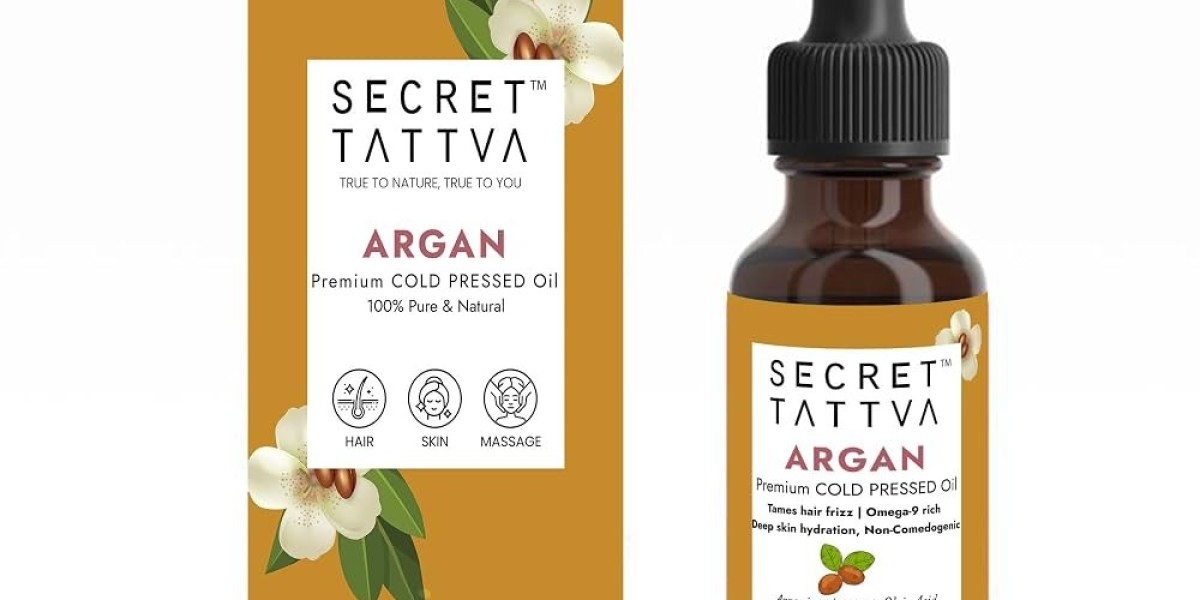
One ingredient that has become popular in natural skincare is argan oil. Extracted from the kernels of the argan tree, this plant-based oil is valued for its nourishing properties and lightweight feel. Using argan oil for skin glow can help moisturise the skin, improve its smoothness, and give the complexion a healthy-looking finish.
Whether you have dry skin or simply want to improve your daily skincare routine, understanding the benefits and correct use of argan oil can help you make an informed choice.
What Is Argan Oil?
Argan oil is a natural plant oil traditionally obtained from the kernels of the argan tree, which grows mainly in Morocco. It contains fatty acids, including oleic acid and linoleic acid, along with vitamin E and other antioxidant compounds.
These components make argan oil a useful emollient in skincare. It helps soften the skin and reduce moisture loss, leaving it feeling smoother and more comfortable.
Argan oil is used in facial oils, moisturisers, serums, and other beauty products. Depending on the formulation, it can be applied alone or layered with other skincare products. Its suitability depends on individual skin type, sensitivity, and personal preference.
Benefits of Argan Oil for Skin Glow
1. Helps Keep Skin Hydrated
Dryness can make the skin look rough, flaky, and tired. Argan oil contains fatty acids that help condition the skin and support its natural moisture barrier.
When the skin retains moisture, its surface may appear smoother and more supple. This can make the complexion look fresher and healthier.
For best results, apply a small amount of argan oil after cleansing and moisturising, following the directions of your chosen product. People with very dry skin may find it particularly useful as part of their evening skincare routine.
2. Supports a Naturally Radiant Appearance
Dull-looking skin can sometimes result from dryness and an uneven surface. By softening the skin and helping reduce moisture loss, argan oil may improve its overall appearance.
Using argan oil for skin glow can provide a subtle, healthy-looking finish without relying on heavy makeup. The oil's emollient properties help smooth the skin's surface, allowing it to appear more supple and radiant.
However, glowing skin also depends on factors such as sun protection, gentle cleansing, adequate sleep, and a suitable moisturiser. Argan oil is a helpful skincare ingredient, not an instant solution for every skin concern.
3. Provides Antioxidant Compounds
Argan oil contains vitamin E and other compounds with antioxidant properties. Antioxidants help protect against oxidative stress, which can contribute to skin damage.
Including products containing argan oil in a balanced skincare routine may support the skin's overall condition. Nevertheless, applying argan oil does not replace sunscreen or provide reliable protection against ultraviolet radiation.
Daily broad-spectrum sunscreen with SPF 30 or higher remains essential for protecting the skin from sun damage and premature signs of ageing.
4. Helps Soften Dry and Rough Skin
Skin exposed to dry weather, frequent washing, or harsh products may become uncomfortable and rough. Argan oil can help condition the surface and improve softness.
Apply a few drops to clean skin, avoiding the eyes. Start with a small amount to see how your skin responds. If you have oily or acne-prone skin, introduce it carefully and discontinue use if irritation or breakouts occur.
How to Use Argan Oil for Skin Glow
Using argan oil correctly can help you enjoy its moisturising benefits without making your routine unnecessarily complicated.
Begin by washing your face with a gentle cleanser. Apply any water-based serum that suits your skin, followed by your regular moisturiser if needed. Then use two or three drops of argan oil, or the amount recommended on the product label, and spread it gently over the skin.
You can use argan oil in the evening or at another time recommended by the manufacturer. There is no need to apply a large quantity, as excess oil may leave the skin feeling greasy.
Before regular use, perform a patch test on a small area. Choose a product formulated for facial application, and avoid using it on irritated or broken skin.
In the morning, finish your routine with broad-spectrum sunscreen. Consistent sun protection helps maintain skin health and reduces the risk of uneven pigmentation.
Argan Oil and Rosehip Oil for Dark Spots
Argan oil is primarily valued for moisturising and conditioning the skin, while rosehip oil is another popular botanical ingredient used in skincare routines.
Rosehip oil for dark spots is often discussed because rosehip oil contains essential fatty acids and naturally occurring antioxidant compounds. These properties may help support the skin's moisture barrier and improve its overall appearance.
However, strong clinical evidence that rosehip oil alone removes established dark spots is limited. Similarly, argan oil should not be considered a proven treatment for pigmentation.
If dark spots are your main concern, consider skincare ingredients with better evidence for uneven pigmentation, such as vitamin C, niacinamide, or azelaic acid. Daily sunscreen is especially important because ultraviolet exposure can make dark marks more noticeable.
You may choose to use argan oil for hydration and rosehip oil for additional conditioning, but introducing both products gradually is sensible. Using several new products at once makes it harder to identify the cause of irritation if a reaction develops.
Tips for Maintaining Healthy, Glowing Skin
A consistent skincare routine is more beneficial than frequently switching products. Cleanse gently, moisturise regularly, and protect your skin from excessive sun exposure.
Drink enough water to maintain normal hydration, eat a balanced diet, and get sufficient sleep. Avoid harsh scrubs and excessive exfoliation, which can damage the skin barrier and potentially worsen pigmentation.
Choose skincare products according to your skin type. If you experience persistent acne, severe dryness, or pigmentation that does not improve, a dermatologist can recommend suitable treatment options.
Conclusion
Argan oil is a versatile botanical ingredient that can help soften the skin, improve hydration, and support a healthy-looking complexion. Using argan oil for skin glow may be a useful addition to your skincare routine, particularly if dryness contributes to a dull appearance.
For people concerned about uneven pigmentation, rosehip oil for dark spots may offer moisturising benefits, although it is not a proven standalone dark spot treatment. Combining suitable skincare products with daily sunscreen and gentle habits is a more reliable approach to maintaining an even-looking complexion.
With consistent care, realistic expectations, and products suited to your skin, you can support softer, smoother, and naturally radiant-looking skin.