
INTRODUCTION
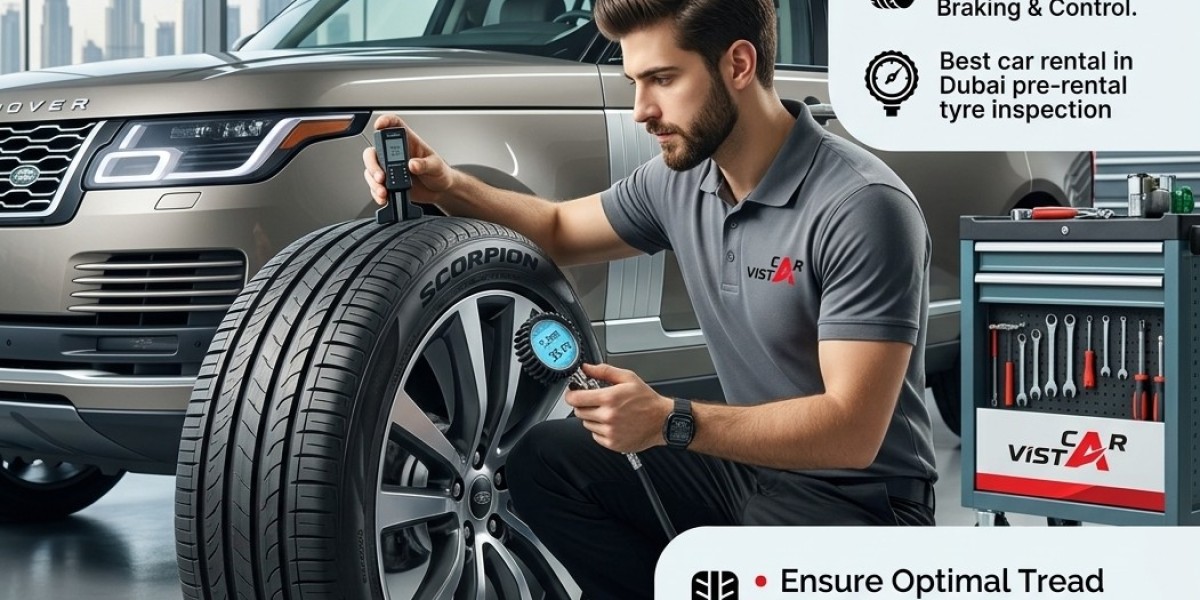
Yes, you can and should inspect the tyres before accepting a rental vehicle. When you rent a car in Dubai, checking the tyres helps you identify visible damage, unusual wear, or possible pressure problems before starting your journey. Whether you search for rent car Dubai options for daily commuting or compare the best car rental in Dubai for a longer trip, a quick tyre inspection is an important part of the vehicle handover process. Taking a few minutes to check all four tyres, record any concerns, and inform the rental representative can help you make a safer and more informed decision.
Why Should You Check Tyres Before Accepting a Rental Car?
Tyres are the vehicle's main contact with the road. Their condition affects grip, handling, braking, and overall driving safety. A tyre with visible damage, insufficient tread, or an obvious pressure problem may need professional attention before the car is driven.
A rental vehicle may look clean and well-maintained on the outside, but that does not automatically mean its tyres are in suitable condition. Checking them before signing the handover report gives you an opportunity to raise concerns while the rental representative is present.
A basic inspection also helps establish a clear record of the vehicle's condition. If you notice tyre damage, ask the representative to document it and explain whether the vehicle needs to be checked or replaced before you leave.
How to Inspect Tyres Before Accepting a Rental Car
1. Check All Four Tyres
Walk around the vehicle and inspect each tyre individually. Do not check only the front tyres or the side facing the pavement. Look for visible cuts, cracks, bulges, embedded objects, or signs that a tyre is noticeably deflated.
Pay particular attention to the sidewalls, as damage there may be difficult to notice at a glance. If you cannot see part of a tyre safely, ask the rental representative to help inspect it. Never crawl beneath the vehicle or put yourself in an unsafe position.
2. Look at the Tread Condition
Tyre tread helps provide grip on the road, especially when the surface is wet. Look for tread that appears excessively worn, uneven, or nearly smooth.
If the tread looks unusually shallow, ask the rental provider to have it checked. A visual inspection cannot accurately measure every part of the tread, so a professional measurement may be needed if you are uncertain. Do not rely on appearance alone to decide whether a tyre meets the applicable requirements.
3. Look for Uneven Wear
Compare the visible tread across the tyres. If one shoulder appears significantly more worn than the other, or one tyre looks noticeably different from the rest, raise the issue with the rental team.
Uneven wear can have several causes, including incorrect pressure, wheel alignment issues, or suspension problems. You do not need to diagnose the cause yourself. Ask the provider to investigate any unusual pattern before you accept the vehicle.
4. Check for Pressure Warnings
Start the vehicle while it is parked and look for tyre-pressure warning lights or messages on the dashboard. If the vehicle has a tyre-pressure monitoring system, check the displayed information when available.
A dashboard warning should not be ignored, even if the tyres appear normal. Similarly, a tyre can have a problem without an obvious warning. If you suspect incorrect pressure, request a check using an appropriate gauge and the vehicle manufacturer's recommended pressure figures.
5. Inspect the Wheels and Rims
Look at the wheel rims for scratches, dents, cracks, or other visible damage. Although rim marks are not the same as tyre damage, they should also be recorded in the vehicle condition report.
Photograph existing marks clearly, including a wider image showing which wheel is affected. Ask the representative to record the damage before you sign the handover paperwork.
What Should You Do If a Tyre Looks Damaged?
If you notice a bulge, deep cut, exposed internal material, significant deflation, or another potentially serious problem, do not drive the vehicle away. Ask the rental representative to arrange a professional inspection or provide a suitable replacement.
A bulge in a tyre sidewall can indicate internal structural damage. It should not be treated as a cosmetic issue or something to monitor casually during the trip.
If you are arranging a rent car Dubai booking and the representative cannot resolve your concern, request clarification about the replacement process and any effect on your booking. Keep the discussion in writing where possible, and do not accept assurances that leave a safety concern unresolved.
Record Tyre Condition During Vehicle Handover
Photographs and written records can help prevent misunderstandings about pre-existing damage. Before leaving the pickup location:
Photograph all four tyres and visible wheel damage.
Take close-up pictures of cuts, scuffs, or unusual wear.
Record any dashboard tyre-pressure warning.
Ask the representative to note relevant concerns on the inspection report.
Keep a copy of the signed report and your photographs.
A documented inspection is useful when you later return the vehicle. Rental providers commonly compare the vehicle's condition at return with the handover record, so reporting visible damage before departure is important. <Cite refs={["turn696576search0","turn696576search2"]}/>
What Else Should You Check Before Driving Away?
Tyres are only one part of a proper rental inspection. Check the windscreen for chips, the lights and indicators for correct operation, the mirrors for damage, and the wipers for effective cleaning. Inside the car, confirm that seat belts work and that no unexplained warning lights remain on.
You should also check the fuel level, odometer reading, rental agreement, insurance arrangements, mileage allowance, and roadside-assistance contact details. Make sure any existing damage to the bodywork or wheels is recorded before you sign the final handover report.
When comparing the best car rental in Dubai options, look beyond the daily or monthly price. Clear rental terms, a documented handover, and a straightforward process for reporting mechanical concerns are important considerations.
Can I Refuse a Car If the Tyres Are Unsafe?
You can raise a safety concern before accepting the vehicle and request that the rental provider resolve it. If a tyre appears unsafe, ask for an inspection or another vehicle rather than taking a risk.
Explain the issue clearly, support it with photographs if appropriate, and request written confirmation of the next steps. If the replacement vehicle is offered, inspect its tyres as well instead of assuming that it is automatically ready to drive.
A short delay at pickup is preferable to starting a journey with a tyre problem that could affect control or safety.
Conclusion
Checking tyre condition before accepting a rental vehicle is a sensible step that should never be overlooked. Inspect all four tyres, look for visible damage and uneven wear, check for dashboard warnings, and make sure concerns are recorded before departure. When you rent a car in Dubai, a careful handover can help you make a better-informed choice. Car Vista encourages renters to prioritise vehicle condition, ask questions when something looks unusual, and confirm that any safety concerns have been addressed before driving.
Frequently Asked Questions
1. Can I inspect the tyres before accepting a rental car in Dubai?
Yes. When you rent a car in Dubai, you can inspect the tyres for visible cuts, cracks, bulges, unusual wear, and signs of deflation. Report any concerns to the rental representative before accepting the vehicle.
2. What should I do if I notice a tyre bulge on a rental car?
Do not drive the vehicle if you notice a potentially serious defect such as a sidewall bulge. Ask the provider to arrange a professional inspection or replacement before proceeding with your rent car Dubai booking.
3. Should I take photographs of tyre damage at pickup?
Yes. Take clear photographs of visible tyre and rim damage, and ask for the issue to be recorded in the handover report. This is a useful precaution when choosing the best car rental in Dubai and documenting the vehicle's condition.
4. Can I ask the rental company to check tyre pressure?
Yes. If a tyre appears underinflated or a pressure warning appears on the dashboard, ask the rental representative to check it before departure. When you rent a car in Dubai, do not ignore pressure warnings simply because the tyres look normal.
5. What other checks should I complete before driving a rental car?
Check the windscreen, lights, mirrors, wipers, seat belts, dashboard warnings, fuel level, and odometer. When arranging a rent car Dubai booking, also review the condition report and rental terms before leaving the pickup location.
Read Our Previous Blog------>Are Monthly models with multiple driving modes available through a Monthly Rent a Car in Dubai?