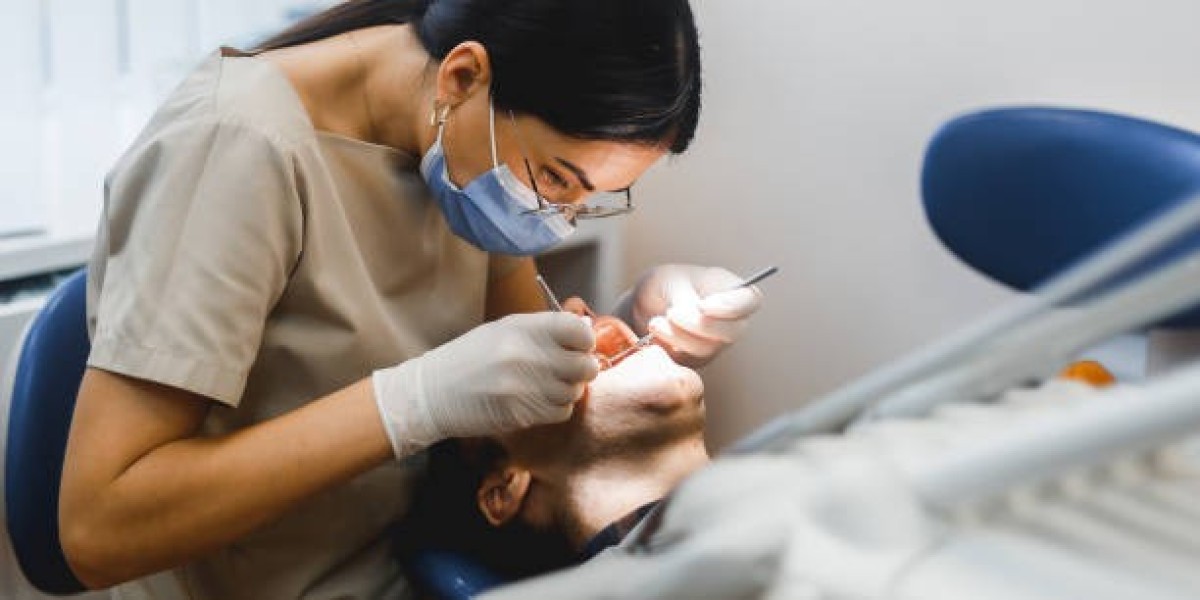

Achieving a stunning smile is one thing. Retaining that smile for years to come is another. Veneers, crowns, bonding, and other cosmetic treatments can certainly enhance the smile, yet none are completely maintenance-free. The material used in the restoration, the health of the surrounding natural teeth, your lifestyle, and mouth care are some of the factors that determine a restoration's longevity. Cosmetic Dentists review all of these factors before recommending any type of restoration because the most appropriate restoration must also be one that can be successfully worn for longer than just the first few months. What happens down the road five years or ten years from now? That makes all the difference.
The Kind of Cosmetic Dental Restoration Counts
Not all dental restorations are created equal. Porcelain veneers, composite bonding, crowns, and tooth-colored fillings all have different functions, and each has its own set of pros and cons. Porcelain veneers last on average about 10 to 15 years, though in some cases longer. Composite bonding may need repairs or replacement earlier, perhaps at about the 5-10-year mark. Dental crowns are roughly 10-15 years in length, or longer, according to the material and the operating conditions within the mouth. And those numbers are only estimates. Someone who is a habitual teeth grinder may have trouble much sooner than that, whereas someone with good dental care and frequent visits to the dentist may get even more life.
The Quality of Materials and Dental Work
Materials are important - but so is the person who's doing the restoration. A well-made porcelain veneer or crown can last 10 years or more when it is carefully fabricated, correctly sized, and properly bonded to your tooth. An ill-fitting crown is an altogether different matter. A tiny gap between the crown's edge and the tooth provides a breeding ground for bacteria that can lead to decay under a crown. Bonding that's shaped or bonded improperly may chip away or become detached earlier than expected. That's why you should never feel pressured to rush your treatment just to get a cosmetic outcome that's cosmetically "perfect." Your dentist needs to evaluate how your bite will mesh with the new restoration, how much remaining tooth structure there is, and where the restoration is - back teeth, front teeth, or smile zone.
Oral Hygiene Is More Important Than You Know
Here is the truth: no matter what kind of smile you have, the rest of your mouth can still get cavities and gum disease. Veneers and crowns don't decay (at least not as fast and as easily as natural teeth), but the natural teeth near and underneath them certainly can. If enough plaque gets caught along the gumline, eventually the teeth in that area may be at risk for decay or gum disease that could compromise the restoration. Brushing twice a day with a fluoride toothpaste, flossing daily, and sticking with regular professional cleanings go a long way toward lessening the risk. It may seem very basic (because it is), but some folks presume their smile fix means they can relax on their care. Wrong! A restoration is an investment, and keeping the surrounding gum tissue in good shape protects that investment. Small habits matter.
Teeth Grinding and Everyday Habits Can Cause Damage
0 Even your own teeth are under a lot of pressure every day. When you add nighttime grinding or clenching to the mix, it puts a lot of stress on all your cosmetic restorations. Excessive pressure can chip porcelain, fracture bonding, and cause crowns to wear down prematurely. Some people grind their teeth without knowing it until their dentist observes unusual wear. If you think you might be a grinder, ask us about a custom night guard. This oral appliance can protect your natural teeth as well as your dental work against excessive forces. Other habits can cause damage to your cosmetic dental work. Biting ice, fingernails, or other hard objects can cause unnecessary stress to your restorations. You don't have to give up all these habits at once, but avoiding them can prevent damage that could be costly to repair.
Your Bite and Natural Tooth Formation Impact Duration
The state of your natural teeth is also critical. If your tooth has already lost a lot of its structure through decay, or have fracture or have been compromised through previous dental procedures, it may present particular difficulties for its restoration, which must be distinct from what it would be for a tooth in a healthier state. Bite also is crucial. Improperly aligned upper and lower teeth can place pressures on a restoration that they don't normally have to withstand. This pressure can cause cracks, displacement, or premature wear. Your dentist will need to consider that before deciding on the best cosmetic solution, and may need to address any bite concerns before proceeding. There's no answer that's perfect for every patient - the restorations that will suit you most will be determined by how your teeth are actually functioning, not how you'd like them to look.
Diet, Smoking, and Staining Habits Make a Difference
Your dietary choices can make a difference in the condition of your cosmetic dental work. Dark colored foods and beverages, including tea, coffee, and red wine, can stain your natural teeth and cause discoloration of composite bonding. Staining from other foods and beverages may be less noticeable if you have porcelain restorations, but the surrounding natural teeth are subject to staining as well. Tobacco use can cause not only staining but also gum issues. Snacking on sugary treats or drinking acidic beverages can accelerate tooth decay around your restorations. You won't have to give up all the foods and drinks you love, but it's best to moderate intake and rinse with water after sipping tea, coffee, or other staining beverages.
Regular Dental Checkups Help Catch Problems Early
Even proper restorations should be inspected from time to time. During routine dental appointments, your dentist can check your gums for inflammation and monitor for slight chips and rounded edges on a restoration, a change in the bite, and what appears to be a loose crown or veneer, all of which can lead to infection and pain if left untreated. The fact is, once something breaks, it is more complicated, and many times you get a bigger treatment. Professional cleanings can reduce plaque and tartar buildup around the gum line, helping monitor for red or bleeding gums, and be more vigilant for any signs of a loose restoration. Do not wait until a restoration "falls off" to have it checked. If you have sensitive teeth, bite discomfort, or an uneven or textured surface, preventative maintenance does not extend a restoration's life; it can only help catch problems early.
Conclusion: Protecting Your Smile for the Long Term
Longevity of your cosmetic restoration depends on more than simply the quality of the work and the skill of your dentist. Factors such as your maintenance schedule, bite, habits, and diet influence how long your restoration will last. The simple truth is that no dental work will last forever, and that is perfectly normal. You want to attain the most reliable results for the least compromise, so speak with your affordable dentist in Burbank about how long restorations should last, how to best care for them, and what might cause them to fail earlier. And remember that a cheaper cost does not always mean a better value if you have to replace it.