
Why Do Fleas Return After Carpet Cleaning?
Carpet cleaning removes dirt, dust and many particles trapped in carpet fibres. However, flea infestations involve more than adult fleas that can be seen moving across the floor. Fleas pass through four life stages: egg, larva, pupa and adult.
Understanding why fleas return is the first step towards managing the problem effectively. From hidden flea pupae to untreated pet bedding, several factors can allow these pests to survive. For households researching carpet flea treatment and fumigation in Melbourne, knowing how fleas develop and where they hide can help guide decisions about prevention and professional treatment.
Each stage responds differently to cleaning methods. For example, vacuuming can remove some eggs, larvae and adult fleas, but it may not reach every pest hidden deep within carpet fibres, floor gaps or furniture. In addition, flea pupae develop inside protective cocoons that can make them harder to eliminate.
Consequently, a home may appear flea-free immediately after cleaning, yet new adult fleas can emerge later. This does not necessarily mean the cleaning was ineffective. Instead, some fleas may have survived in areas that routine cleaning could not reach.
The Flea Life Cycle Explains the Problem
One of the main reasons fleas return is their ability to develop through different life stages. Understanding this process helps explain why a single cleaning session may not resolve an infestation.
1. Flea Eggs Fall Into Carpets
Adult female fleas lay eggs on their hosts, including dogs and cats. However, these eggs are not sticky, so many fall onto carpets, rugs, pet bedding and upholstered furniture as animals move around the house.
Over time, eggs can collect in places where pets spend most of their time. Although vacuuming can remove some of them, eggs may remain in less accessible areas.
2. Flea Larvae Hide in Dark Spaces
Once the eggs hatch, flea larvae move into protected areas away from direct light. They may hide deep within carpet fibres, beneath furniture or along skirting boards.
These larvae feed on organic debris, including adult flea droppings. Therefore, areas where pets rest can provide suitable conditions for their development. Regular cleaning helps reduce debris, but reaching every hiding place can be difficult.
3. Flea Pupae Survive Inside Protective Cocoons
The pupal stage is particularly important when investigating recurring infestations. Flea larvae form cocoons that can collect dust and blend into their surroundings.
These cocoons help protect developing fleas from certain environmental conditions and some insecticide treatments. As a result, pupae may survive an initial cleaning or treatment and emerge as adults later.
4. Adult Fleas Emerge and Find a Host
Adult fleas can emerge when they detect signals associated with a potential host, including movement, warmth and vibrations. Therefore, people may notice new flea activity after returning to a property that has been empty or recently cleaned.
This delayed emergence can make it seem as though fleas have returned from nowhere. In reality, they may have been developing unnoticed within the home.
Common Reasons Fleas Survive After Cleaning
The flea life cycle is only part of the problem. Certain household conditions can also allow an infestation to continue.
Untreated pets: If dogs or cats continue to carry fleas, they can introduce new eggs into the environment. Pet treatment should follow veterinary advice and use products suitable for the animal.
Missed areas: Fleas may remain beneath beds, behind furniture, around carpet edges and in upholstered items. Cleaning only the visible floor area can leave potential hiding places untouched.
Pet bedding and soft furnishings: Blankets, pet beds, cushions and rugs can collect flea eggs and debris. These items may need suitable cleaning as part of a wider management plan.
Incomplete treatment: Some cleaning methods remove debris without targeting every flea life stage. Similarly, an insecticide may not kill every stage immediately. The appropriate approach depends on the infestation and the product used.
Reinfestation: Fleas can enter through pets, visiting animals or infested belongings. Therefore, even a previously treated home may develop another infestation if the source remains.
Is Carpet Cleaning Enough to Remove Fleas?
Carpet cleaning and flea treatment serve different purposes. Steam cleaning and other appropriate carpet-cleaning methods can help remove dirt and debris, while vacuuming can physically remove some fleas and immature stages. However, neither method guarantees complete elimination of an established infestation.
Professional pest treatment may be appropriate when flea activity continues despite thorough cleaning and suitable pet care. The treatment plan should account for the affected rooms, carpet type, presence of pets and the flea life cycle.
The phrase carpet flea treatment and fumigation Melbourne is often used when people research ways to manage household flea problems. However, not every infestation requires fumigation. A qualified pest management professional can assess the situation and explain which treatment method is suitable. It is also important to follow all preparation, ventilation and re-entry instructions provided for the chosen product.
How to Reduce the Risk of Fleas Returning
A consistent cleaning and prevention routine can help reduce flea activity and limit the chance of another infestation.
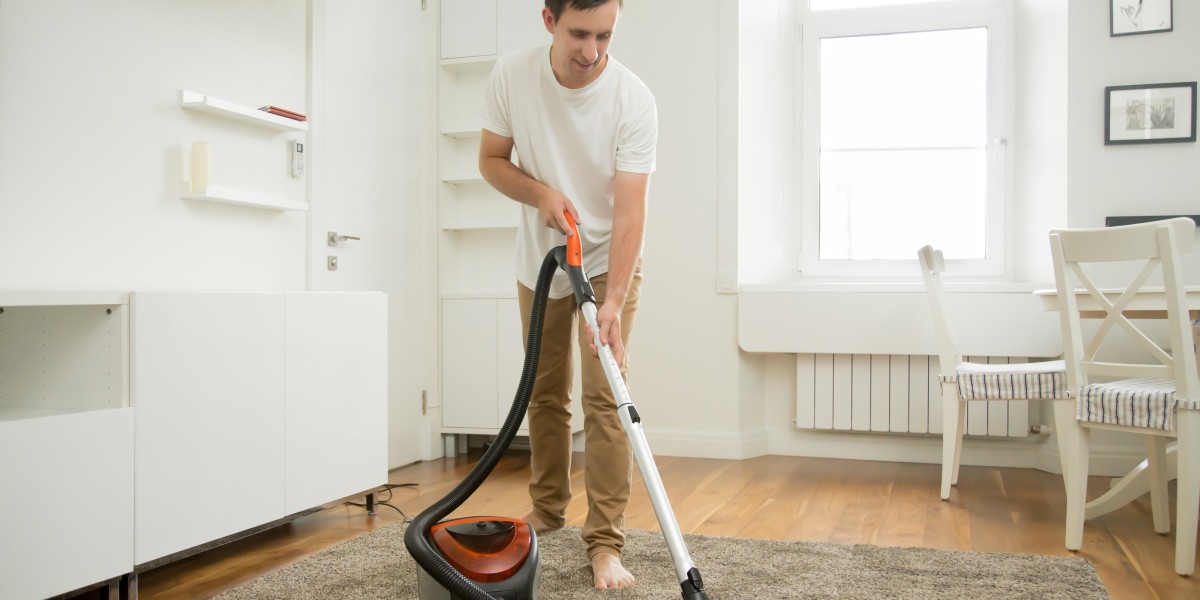
Vacuum regularly: Pay particular attention to carpet edges, areas beneath furniture, rugs and places where pets sleep. Empty the vacuum safely after use according to its instructions.
Wash suitable fabrics: Clean pet bedding, washable blankets and other affected fabrics according to their care labels.
Manage fleas on pets: Speak with a veterinarian about appropriate flea prevention and treatment. Never use a product intended for one animal species on another unless a veterinarian confirms it is safe.
Check less visible areas: Inspect soft furnishings and other places where pets rest, not just the centre of the carpet.
Follow treatment instructions: If a pest treatment has been applied, follow the stated cleaning schedule, safety precautions and any repeat-treatment recommendations.
Monitor the situation: Continue checking for flea activity after cleaning or treatment. If fleas persist, seek professional advice rather than repeatedly applying different products without guidance.
For households combining end-of-lease cleaning with pest management, Melbourne Vacate and Carpet Cleaning is one example of a local cleaning business name people may encounter when researching carpet and rental-property cleaning. Regardless of the provider, it is important to confirm whether the required service includes pest control, as carpet cleaning alone does not necessarily include flea treatment.
When Should You Seek Professional Flea Treatment?
Consider professional advice if you continue to find fleas after repeated cleaning, notice ongoing bites alongside other signs of flea activity, or discover fleas in several rooms. Persistent infestations may require a coordinated approach that addresses pets, carpets, bedding and other affected areas.
Before treatment, ask which areas need attention, whether pets and occupants must leave the property, how long re-entry restrictions apply and whether follow-up treatment may be needed. Always follow the product label and the pest management professional's instructions.
Conclusion
Carpet fleas can return after cleaning because their eggs, larvae and especially protected pupae may survive in hidden areas. In addition, untreated pets, missed soft furnishings and new flea introductions can keep an infestation going.
Although regular vacuuming and appropriate carpet cleaning are useful parts of flea management, they may not resolve every established infestation on their own. By understanding the flea life cycle, treating pets appropriately, cleaning affected areas and seeking professional advice when needed, households can take a more informed approach to preventing recurring flea problems.










