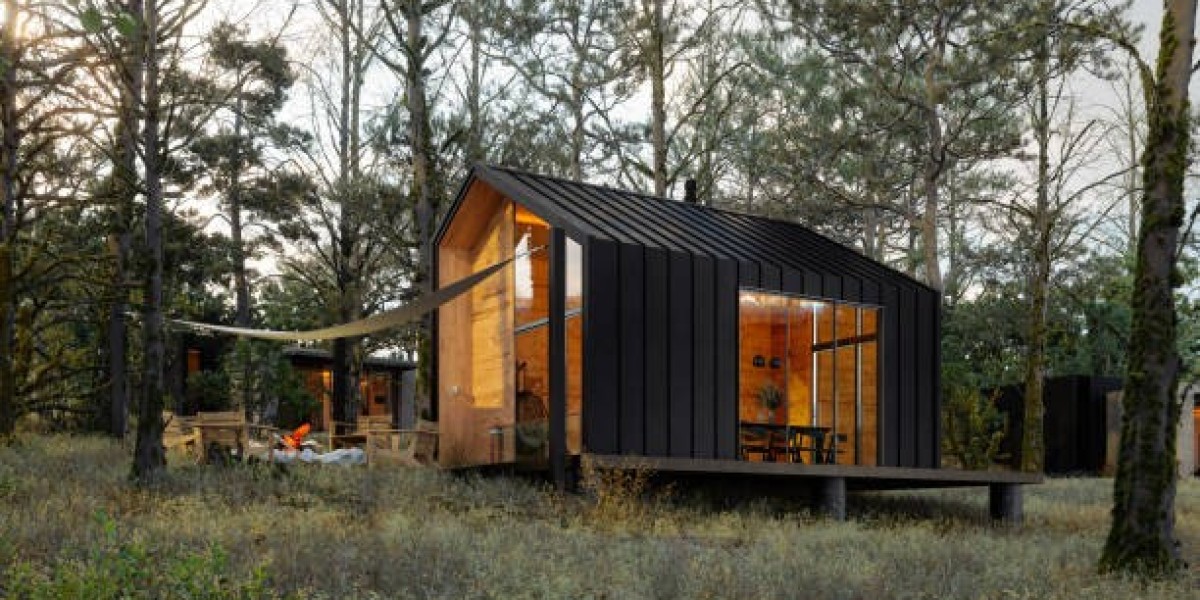

Buying the Shell Was the Easy Part
A guy I know bought a few acres up in the mountains and ordered a kit. Had the walls and roof up by August, felt pretty good about himself. Then November. His batteries were flat by four in the afternoon, a water line froze solid, and the toilet plan, which was basically “figure it out later,” turned into a weekend he doesn’t talk about. He’s still living out there. Still happy, mostly. But he says he spent his time picking paint colors when he should’ve been sizing a battery bank. Tiny House kits are a cheap way to get a roof over your head. They are not a finished home. So let’s talk about the stuff that makes it one.
Read What’s Actually in the Box
“Kit” doesn’t mean house. It means parts. Usually the structure, so framing, maybe panels, a roof package, sometimes windows and doors. A few are bare bones. A few come further along. I haven’t seen one that includes solar, plumbing, or a toilet.
Ask the company what’s included and what isn’t, in writing if you can. Ask about shipping, because freight on something this size stings. Find out if it’s built for a trailer or a foundation, since that changes what your county will let you do. A kit saves real time if you’re handy, and it saves you drawing up plans from nothing. But the number on the website? Not your final number. Not even close. Plan on spending a lot more inside and around it.
Solar, and Why December Is the Month That Matters
Most people size solar wrong because they think about summer. Don’t. Start with a list of what you’ll run. Lights, fridge, laptop, a water pump, maybe a small washer. Add up the watt-hours per day. Everything else comes from that number.
A lot of tiny homes end up with roughly 1,000 to 3,000 watts of panels, plus batteries, a charge controller and an inverter. Lithium batteries are pricier up front, but they last longer and don’t mind being drained deep like lead-acid does. Now think about winter. Short days, low sun, snow sitting on your panels. Size for that. Lots of folks keep a small generator for bad stretches, and I say good, do it. Oh, and skip electric heat if you can. It chews through batteries. Propane or a little wood stove works better.
Water Is Harder Than It Looks
Where’s yours coming from? A well, if the land allows it and you can afford the drilling. Rain catchment, which works in plenty of places but needs filtering, and some states have rules about it. Hauled water in a big tank, boring but it works. A spring, if you own the rights, which you might not.
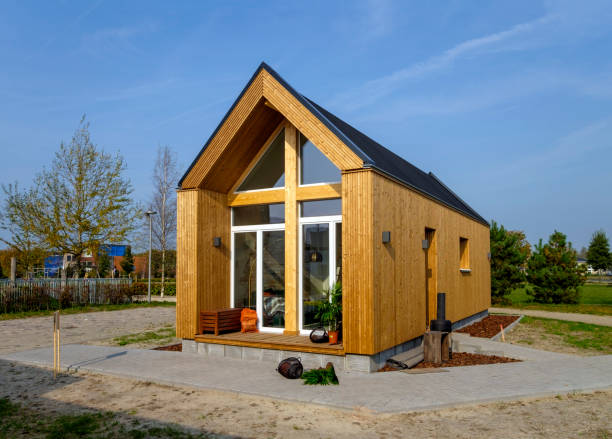
Whichever, you need storage, a pump and filtration. If you’re drinking it, add treatment like UV, and get it tested. Clear water can still make you sick. Then freezing. Any line outside has to be buried or insulated and wrapped in heat tape. Low-flow faucets and showerheads help more than you’d expect, because a tiny house can run on a shockingly small amount of water if you pay attention.
Waste Is Where Plans Die
Plain truth, this is the part that wrecks people. Greywater is your sinks and shower. Blackwater is the toilet. And the rules shift from one county to the next, sometimes one parcel to the next.
Most off-grid builds go with a composting toilet. No water, little smell if you keep up with it, and a much smaller waste problem. Incinerating toilets work too but cost more and need power or fuel. Greywater might go to a mulch basin or small drain field, though plenty of counties want permits and even a licensed designer. Don’t just dump it out back. Some places demand full septic regardless. Call the county before you buy land or a kit. Not after. It’s dull advice and it’ll save you thousands.
Zoning: Where Plans Go to Sit and Wait
Plenty of counties set a minimum square footage, and tiny homes can land under it. Some treat a tiny house on wheels like an RV, which usually caps how long you can live in it. Others want a foundation and full permits, the whole deal.
Most people start by browsing tiny house for sale colorado listings, just to see what’s out there and what things cost. Good move. Just remember Colorado counties don’t all agree, and what’s fine in one can be banned two counties over. Rural land tends to be looser, though not always, and septic and water rules can get picky. Call the planning office. Ask what’s allowed, what gets inspected, and whether off-grid power is even accepted.
Cold, Heat and the Real Price Tag
Climate drives a lot. In cold country, insulation is everything. Tiny homes have loads of outside surface compared to their size, so they lose heat fast. Air sealing, spray foam or rigid board, and decent windows pay off big. In the heat, shade and airflow matter more.
On cost, the kit itself may be the smaller chunk. Solar, batteries, water gear, toilet, heat, interior finishes, plus your own time and tools. Totals vary wildly. Some people compare against a finished home, checking tiny house for sale colorado listings to see what a ready-made one runs, and sometimes buying finished is smarter, particularly if you’re not handy. Be honest about your skills. And about your free time. Building always takes longer than you think.
What Daily Life Is Really Like
It’s not set it and forget it. You check batteries. You check the tank. You empty the toilet, wipe dust off the panels, and look at the forecast to see how much power you’ll get this week. Some people like that rhythm. Others are done after a year.
Rent or borrow something similar and try a few weekends first. Keep spares, fuses, filters, a pump fitting. Find a neighbor who’s done it, because they’ll warn you off dumb mistakes. And don’t skimp on safety, meaning a fire extinguisher, a carbon monoxide detector, and a plan for emergencies, since help can be a long way off. The folks who make it tend to be the ones who stay calm and fix things fast.
Conclusion
Off-grid in a tiny home is doable, and it can be a great life. It does take planning, though. Tiny House kits give you a solid shell to start with, then you build the real systems around it, solar sized for winter, reliable water, and a waste setup your county will accept. Check zoning before you spend anything. Be honest about the money. Try the lifestyle before you commit. If you’re still on the fence, a few tiny house for sale colorado listings will show you what finished homes cost. Start small, take your time.
FAQs
What do Tiny House kits usually include?
Mostly the structure, like framing, wall panels and a roof package. Solar, plumbing and toilets are normally extra, so read the details.
How much solar does an off-grid tiny house need?
It depends on your loads, but many land around 1,000 to 3,000 watts of panels plus batteries. Size it for winter sun.
What’s the best toilet for an off-grid tiny house?
Composting toilets are popular because they use no water. Incinerating toilets are another option. Check local rules first.
Where can I find a tiny house for sale colorado buyers can trust?
Try local builders, listing sites and tiny home communities. Always verify zoning and permits for that specific county.
Can I legally live in a tiny house off-grid?
It depends on the county. Zoning, septic and building codes vary a lot, so call the local planning department first.
Is it cheaper to use Tiny House kits or buy a finished tiny home?
Kits can save money if you’re handy, but costs pile up fast. Compare the full build price against finished options.










