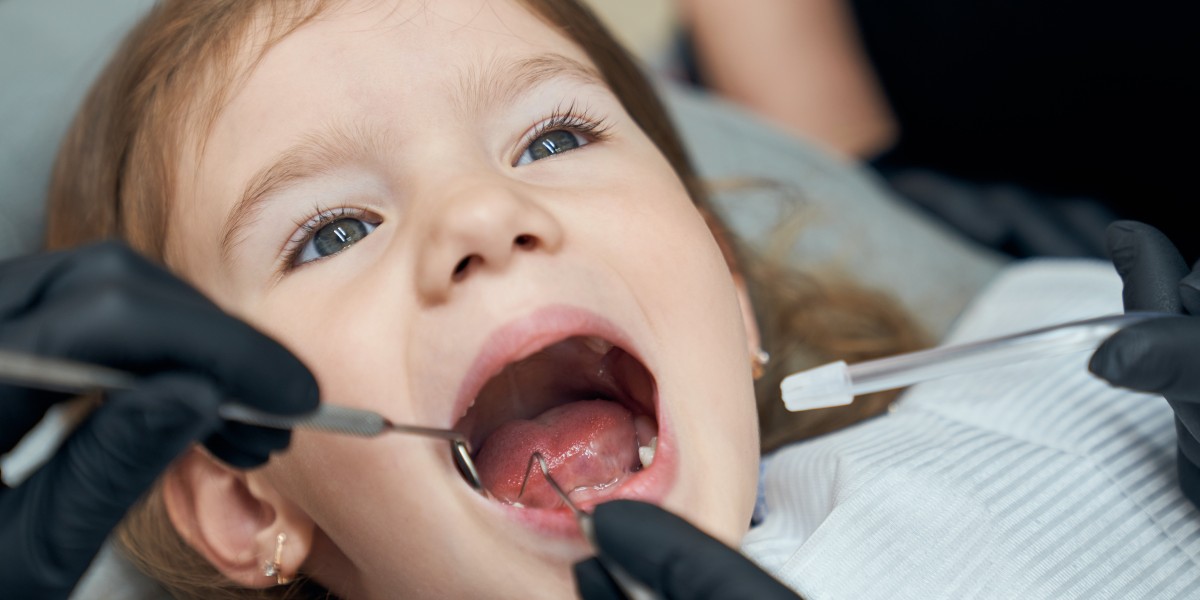

Pediatric tooth extraction is a dental procedure that removes a baby tooth or permanent tooth when keeping it in place could harm a child’s oral health or when other treatments are not suitable. However, dentists do not recommend extraction for every cavity or toothache. In many cases, fillings, pulp treatment, or other restorative procedures may help preserve the tooth.
Understanding the warning signs can help parents seek timely dental care and make informed decisions about their child’s treatment.
1. Severe Tooth Pain That Does Not Go Away
Occasional tooth sensitivity may occur when a child eats something hot, cold, or sweet. However, ongoing or severe pain can indicate a deeper dental problem.
For example, a cavity may reach the inner part of the tooth, where nerves and blood vessels are located. As a result, the child may experience throbbing pain, discomfort at night, or pain while chewing.
Parents should arrange a dental evaluation if the pain continues, returns frequently, or interrupts sleep. Although a dentist may be able to save the tooth with restorative treatment, extraction could become necessary if the damage is too extensive.
Do not wait for the pain to disappear on its own. A child may stop complaining even when the underlying problem remains.
2. Swollen Gums, Pus, or Signs of a Dental Infection
Swelling around a tooth can indicate an infection. In some cases, parents may notice a small bump on the gums, pus, a bad taste in the mouth, or tenderness near the affected area.
These symptoms can occur when bacteria enter the tooth through a cavity, crack, or injury. If the infection spreads beyond the tooth, the child may develop facial swelling or a fever.
A dentist will assess the source and severity of the infection before recommending treatment. Depending on the condition of the tooth, options may include pulp treatment or extraction.
Facial swelling with fever, rapidly increasing swelling, or difficulty swallowing or breathing requires urgent medical attention. If breathing or swallowing becomes difficult, seek emergency care immediately.
3. Extensive Tooth Decay That Cannot Be Repaired
Tooth decay is one of the common reasons children may need dental treatment. Early cavities can often be managed with preventive care or fillings. However, severe decay can destroy so much of the tooth that a dentist may not be able to restore it.
Parents may notice dark spots, visible holes, broken tooth surfaces, or food frequently getting trapped in the same area. Nevertheless, the appearance of a cavity alone does not determine whether extraction is necessary.
During an examination, the dentist considers how much healthy tooth structure remains and whether the damage has reached the pulp. If the tooth cannot be repaired predictably, extraction may be the safer option.
Early dental visits can help identify decay before it becomes severe. Therefore, children should receive regular dental checkups even when they do not report pain.
4. A Baby Tooth That Does Not Fall Out Naturally
Baby teeth usually loosen and fall out as permanent teeth develop beneath them. However, sometimes a baby tooth remains firmly in place while the permanent tooth begins to emerge.
This may cause the permanent tooth to appear behind or beside the baby tooth. Although this situation does not always require extraction, a dentist should evaluate the tooth’s position and the child’s stage of development.
A retained baby tooth may need removal if it blocks the permanent tooth or creates another dental concern. In contrast, a loose baby tooth that is close to falling out naturally often needs only monitoring.
Parents should avoid pulling a firmly attached tooth at home. A dental professional can determine whether the tooth is ready to come out or requires treatment.
5. A Broken or Damaged Tooth After an Injury
Children may injure their teeth while playing sports, riding bicycles, or falling during everyday activities. Depending on the impact, a tooth may chip, crack, break near the gumline, or become displaced.
Not every broken tooth needs extraction. In many cases, a dentist can repair the damage or provide treatment to protect the inner part of the tooth. However, extraction may be necessary when the tooth is severely damaged or cannot be restored.
After a dental injury, parents should arrange a prompt dental assessment, even if the child reports little pain. Some injuries affect the tooth’s root or surrounding tissues without causing obvious symptoms at first.
If a permanent tooth is knocked out, seek immediate dental care. A knocked-out permanent tooth requires different management from a baby tooth, which should not be replanted.
6. A Baby Tooth Is Causing Problems With Nearby Teeth
Baby teeth help children chew, speak, and maintain space for their developing permanent teeth. Therefore, removing a baby tooth too early can sometimes affect how nearby teeth move and how the permanent tooth erupts.
However, keeping a severely infected or damaged tooth is not always the best choice. The dentist must weigh the benefits of removing the tooth against the possible effects of early tooth loss.
When a baby tooth needs extraction before its natural shedding time, the dentist may assess whether a space maintainer is appropriate. This device helps preserve space for the permanent tooth when necessary.
The decision depends on factors such as the child’s age, which tooth is involved, the development of the permanent tooth, and the condition of the surrounding teeth.
What Happens Before a Pediatric Tooth Extraction?
Before recommending pediatric tooth extraction, a dentist examines the child’s teeth and gums, reviews symptoms, and may take dental X-rays when needed. These steps help identify the extent of decay, the condition of the roots, and the position of developing permanent teeth.
The dentist will also consider whether a filling, pulp treatment, or another option could preserve the tooth. If extraction offers the best outcome, the procedure and available pain-control methods will be explained to the parent.
Parents should feel comfortable asking why extraction is recommended, whether alternatives exist, and what the child’s recovery may involve. Understanding the reason for treatment can make the experience less stressful for the entire family.
How Can Parents Help Prevent the Need for Extraction?
Although not every dental problem can be prevented, consistent oral care can reduce the risk of severe decay and infection.
Parents can support their children’s dental health by:
Brushing twice daily with fluoride toothpaste appropriate for the child’s age.
Helping younger children brush effectively and supervising their brushing routine.
Limiting frequent sugary snacks and drinks between meals.
Encouraging water instead of sugar-sweetened beverages.
Scheduling regular dental checkups and following the dentist’s recommendations.
Seeking care early when a child develops tooth pain, swelling, or visible damage.
These habits can help identify problems early and reduce the likelihood that a tooth will become too damaged to save.
Frequently Asked Questions
Does every cavity in a child’s tooth require extraction?
No. Many cavities can be treated with fillings or other restorative procedures. Extraction is generally considered when the tooth cannot be repaired adequately or when removal is needed to address a specific dental problem.
Is pediatric tooth extraction painful?
Dentists use appropriate local anesthesia to numb the area during extraction. Children may experience some soreness afterward, but the dentist can explain suitable pain management and aftercare based on the child’s age and needs.
Should a badly decayed baby tooth always be removed?
Not necessarily. The dentist considers the extent of decay, whether the tooth can be restored, the presence of infection, and how soon the tooth would naturally fall out. The recommended treatment depends on these factors.
When should parents seek urgent dental care?
Seek prompt care for persistent tooth pain, gum swelling, pus, or a broken tooth. Facial swelling with fever requires urgent assessment, while difficulty breathing or swallowing requires emergency medical attention.
Conclusion
A child does not automatically need a tooth extraction because of a cavity, loose tooth, or toothache. However, persistent pain, infection, extensive decay, dental injuries, and certain eruption problems should never be ignored.
A timely dental examination helps determine whether the tooth can be saved or whether removal is necessary. By recognizing warning signs and maintaining regular dental visits, parents can help protect their child’s oral health and support the healthy development of permanent teeth.