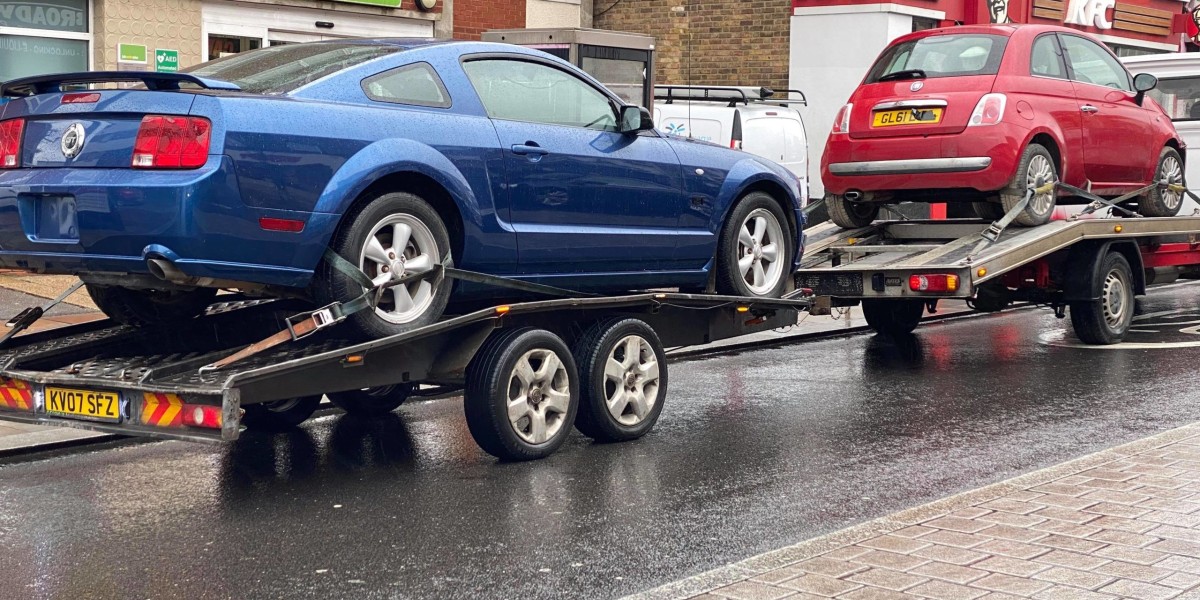

A vehicle can become unsafe to drive before it completely breaks down. Changes in braking performance, a rapidly rising engine temperature, smoke, or a significant fluid leak can signal a serious mechanical problem. Continuing to drive may put you at risk of a collision, cause additional vehicle damage, or leave you stranded in a dangerous location. Knowing when to stop is especially important when traveling on busy roads in Ellicott City, Maryland. If your vehicle develops a serious fault, prioritize reaching a safe stopping location rather than attempting to finish your trip. Understanding when to request professional help can also help you decide whether a repair at the roadside is appropriate or whether towing is the safer option.
1. Brake Problems That Make Continued Driving Dangerous
Your brakes are essential for controlling your vehicle, responding to traffic, and stopping at intersections. Any sudden change in braking performance deserves immediate attention. A brake problem may develop gradually, but some warning signs indicate that the vehicle should not continue moving.
Watch for these symptoms:
A soft or sinking brake pedal: The pedal may travel farther than usual or move toward the floor when pressed. This can indicate a hydraulic problem or another brake-system fault.
Reduced stopping power: If the vehicle takes longer to stop than normal, do not assume the brakes will continue working reliably.
Grinding or unusual noises: Persistent grinding can indicate worn or damaged brake components.
Pulling to one side: A vehicle that pulls sharply during braking may have an issue affecting braking balance or another component.
Brake fluid leakage: A visible leak near a wheel or beneath the vehicle, particularly when accompanied by a changing pedal feel, requires urgent attention.
If you experience sudden brake failure, remain calm, release the accelerator, and use controlled actions appropriate to your vehicle. Do not switch off the engine while moving, because doing so may affect steering assistance or other systems. Once stopped safely, do not resume driving until the problem has been assessed.
2. Severe Engine Overheating Requires Immediate Attention
Engine overheating can turn a manageable cooling-system problem into extensive engine damage. A rising temperature gauge, an engine-temperature warning, steam from beneath the hood, or a strong coolant odor may indicate that the cooling system is not functioning correctly.
If the temperature rises into the danger range, move to a safe stopping location as soon as conditions allow. Turn off the engine and follow the vehicle manufacturer's guidance. Do not continue driving simply because the destination is nearby. Even a short distance can worsen damage when an engine is severely overheating.
Never remove the radiator cap or open a pressurized cooling-system reservoir while the engine is hot. Escaping coolant or steam can cause serious burns. Wait for the engine to cool before any visual inspection, and avoid touching hot components.
If the temperature warning returns, coolant is leaking, or steam continues to appear, arrange professional assistance. A vehicle with severe overheating may need to be transported to a repair facility instead of driven there.
3. Major Fluid Leaks Are a Reason to Stop and Investigate
Fluid beneath a parked vehicle is not always evidence of a serious failure. Water from an air-conditioning system, for example, can be normal condensation. However, a substantial leak, an unfamiliar fluid, or a leak accompanied by a warning light or change in vehicle performance should never be ignored.
Common fluid-related warning signs include:
Brake fluid: A leak may reduce braking performance and create a serious safety hazard.
Engine oil: A significant oil leak can reduce lubrication and cause engine damage, especially if the oil level becomes too low.
Coolant: Brightly colored or otherwise identifiable coolant may leak from a damaged hose, radiator, or another cooling-system component. Appearance varies by product.
Transmission fluid: A leak accompanied by slipping, delayed engagement, or unusual transmission behavior requires prompt assessment.
Fuel: A strong gasoline or diesel odor, visible fuel leakage, or suspected fuel-system damage creates a fire risk.
If you suspect a fuel leak, stop safely, switch off the engine, avoid flames and other ignition sources, and move away from the vehicle. Contact emergency services if there is an immediate fire or safety hazard. Do not attempt to drive a vehicle with a suspected major fuel leak.
4. Smoke, Burning Smells, and Dashboard Warnings Should Not Be Ignored
Some mechanical problems produce warning signs before the vehicle loses power or stops working. Smoke, burning odors, unusual vibrations, and unexpected dashboard alerts can indicate faults that require immediate attention.
Smoke coming from beneath the hood may be related to overheating, electrical problems, or leaking fluids contacting hot components. A burning electrical smell, repeated stalling, or sudden loss of engine power can also signal a problem that makes continued driving unsafe.
Pay attention to warning lights alongside the symptoms. For example, an oil-pressure warning accompanied by abnormal engine noise calls for stopping as soon as it is safe and shutting off the engine. Continuing to run an engine with low oil pressure can cause serious damage.
A warning light does not always mean the same thing across all vehicles, so consult the owner's manual when it is safe to do so. If a critical warning appears or the vehicle behaves abnormally, do not rely on restarting it to make the problem disappear. Have the underlying cause assessed before continuing your journey.
5. What to Do When a Vehicle Becomes Unsafe on the Road
When a serious mechanical warning appears, your first priority is to avoid creating another hazard. Sudden steering or braking can make a difficult situation worse, so respond smoothly and move out of active traffic when possible.
Follow these steps:
Activate your hazard lights. Alert other drivers that your vehicle may be slowing down or stopping.
Choose a safe stopping location. Use a suitable shoulder, parking lot, or other protected area if you can reach it without increasing the danger.
Secure the vehicle. Apply the parking brake and select park when appropriate.
Assess immediate hazards. Watch for smoke, fire, fuel odors, traffic exposure, and other dangers.
Protect yourself and your passengers. Decide whether remaining inside or exiting away from traffic is safer under the circumstances.
Request appropriate assistance. Explain the warning signs and your location when contacting a towing provider or roadside professional.
If you are stopped in an active lane, face an immediate threat, or suspect a fire or dangerous fuel leak, contact 911 when appropriate. Routine towing assistance should not replace emergency services when lives may be at risk.
6. When to Request a Tow Truck Instead of Driving to a Repair Shop
Not every vehicle warning requires towing, but serious brake faults, severe overheating, and major fluid leaks can make driving an unacceptable risk. The correct decision depends on the symptoms, the vehicle's condition, and where it has stopped.
For example, a minor maintenance warning with no abnormal vehicle behavior may allow you to consult the owner's manual and arrange a repair. In contrast, a brake pedal that sinks toward the floor, steam from an overheating engine, or a suspected fuel leak requires a much more cautious response.
A Tow Truck Ellicott City MD service may be an appropriate option when your vehicle cannot be operated safely. Before requesting help, prepare the following details:
Your location, including the nearest intersection or recognizable landmark.
Your vehicle's make, model, and approximate size.
The specific warning signs, such as brake failure, overheating, or a fluid leak.
Any visible damage or circumstances that may affect vehicle handling.
Your preferred repair facility or destination, if known.
Explain whether the vehicle is blocking traffic, has a locked wheel, or may have suffered serious mechanical damage. Accurate information helps the towing provider understand the situation and determine what equipment or handling may be needed.
7. Prevent Serious Mechanical Problems With Routine Checks
Regular vehicle maintenance can help identify developing problems before they leave you stranded. Check fluid levels according to the owner's manual, inspect tires for visible damage, and pay attention to changes in braking, engine temperature, steering, and transmission behavior.
Have unusual noises, persistent warning lights, and recurring fluid spots investigated promptly. Follow the manufacturer's recommended maintenance schedule for brake inspections, oil changes, and cooling-system service. Do not wait for a warning to become severe before arranging an inspection.
It is also helpful to keep an emergency kit in your vehicle with a flashlight, first-aid supplies, a phone charger, and reflective equipment. These items do not replace professional assistance, but they can help you manage a breakdown more safely while waiting for help.
Most importantly, understand the difference between a maintenance issue and a condition that makes driving unsafe. If your brakes are unreliable, your engine is severely overheating, or a major leak threatens vehicle operation, stop driving and arrange an appropriate assessment.
Frequently Asked Questions
Can I drive with a brake warning light on?
You should not assume it is safe to drive with a brake warning light illuminated. Stop in a safe location and consult your owner's manual, particularly if braking feels different, the fluid level is low, or another warning appears.
How long can I drive an overheating car?
There is no universally safe distance to drive an overheating vehicle. Stop as soon as it is safe, turn off the engine, and arrange professional assistance if the temperature is in the danger range or the warning persists.
How can I tell whether a fluid leak is serious?
Consider the amount, location, and accompanying symptoms rather than relying on color alone. A substantial leak, fuel odor, reduced braking performance, or an oil-pressure warning warrants immediate caution.
Should I restart my car after it overheats?
Do not restart the engine while it remains hot or if the cause of severe overheating is unknown. Allow it to cool safely and seek professional guidance before deciding whether it can be operated again.
When should I request a tow truck in Ellicott City, MD?
Request towing when a serious mechanical problem makes the vehicle unsafe to drive, including major brake faults, severe overheating, or a significant fluid leak. If there is an immediate danger from fire, fuel leakage, or traffic exposure, contact emergency services as appropriate.
Protect Yourself by Choosing the Right Next Step
Recognizing dangerous vehicle symptoms early can help prevent a breakdown from becoming a more serious incident. If you notice unreliable brakes, severe engine overheating, a major fluid leak, or another critical warning, prioritize safety over reaching your destination. Stop in a safe location, keep yourself and your passengers away from immediate hazards, and seek professional assistance when necessary. When the vehicle cannot be driven safely, use the supplied towing link to explore an appropriate next step for your situation in Ellicott City, Maryland.










