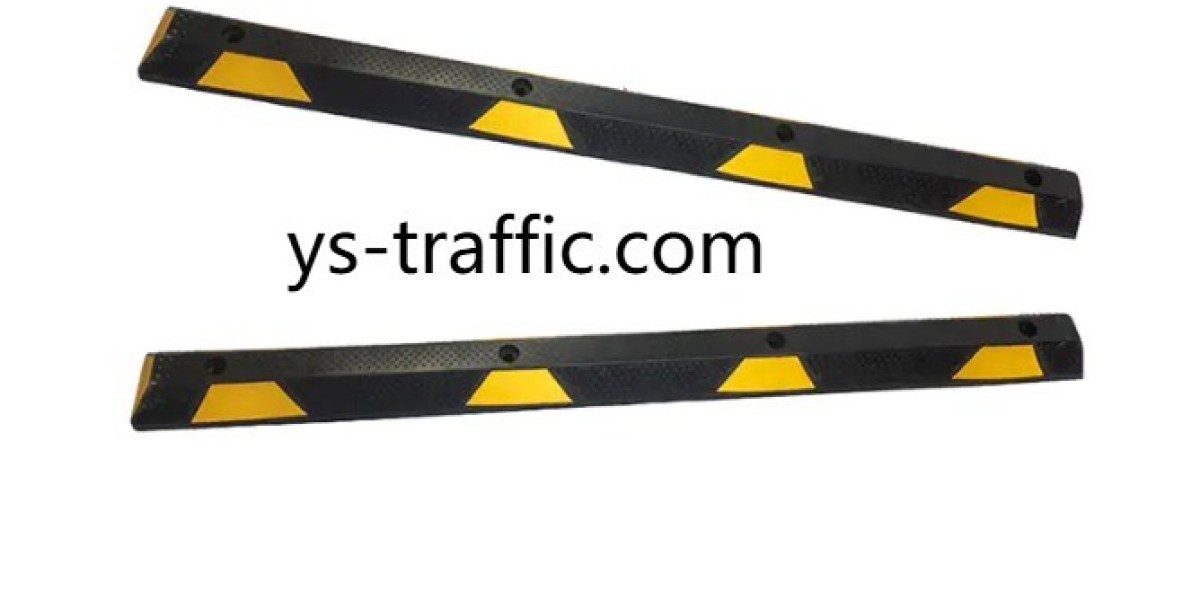

Aircraft ground operations depend on coordinated procedures and equipment that helps keep parked aircraft secure during servicing and other approved activities. An Aircraft Wheel Chock is one of the physical safeguards used in these settings, and its suitability depends on material properties, tire contact, ground conditions, visibility, handling, and compatibility with established operating procedures. These considerations are particularly important because aviation environments require clear responsibilities and careful coordination among ground personnel.
Material choice influences how a chock responds to repeated handling and environmental exposure. Rubber is used in many wheel chock designs because it provides a firm body with a degree of flexibility and can offer useful friction at contact surfaces. Its properties depend on the rubber compound and manufacturing process. Buyers should consider material consistency, resistance to environmental wear, and the condition of the finished surface rather than relying on the general label of rubber alone.
Other materials may be considered for specialized applications. Certain plastic compounds can offer convenient handling, while metal designs may be suited to particular operational requirements. However, material suitability cannot be determined in isolation. The product must be evaluated against the aircraft manufacturer's guidance, the relevant operating environment, and the procedures of the airport or maintenance organization. A chock intended for general vehicles should not automatically be assumed appropriate for aircraft.
Procurement should begin with the intended aircraft and the role the equipment will perform. Buyers need to establish whether the chock is intended for routine parking, maintenance support, or another approved ground operation. They should also review the aircraft's wheel configuration, tire characteristics, ground surface, and environmental conditions with qualified aviation personnel. Product descriptions can help with initial screening, but they cannot replace application-specific technical review.
Ground conditions deserve particular attention. Aircraft may be positioned on concrete, paved aprons, hangar floors, or other designated surfaces. Moisture, contamination, loose material, and changes in surface condition can affect contact and friction. A suitable design should be assessed for the conditions in which it will be used, while operators should follow approved procedures for placement, removal, and inspection. The chock is one element of ground safety, not a substitute for required aircraft securing measures.
Structural design influences how the product meets the tire and ground. A wedge profile creates a contact surface against the wheel, while the base helps establish contact with the supporting surface. Grooves, ridges, or other textures may contribute to grip, depending on the material and actual conditions. Buyers should assess these features as part of the complete design and seek appropriate documentation where the application requires verified performance.
Handling features can make equipment easier to manage during busy ground operations. Integrated handles, ropes, or attachment points may assist with positioning, retrieval, or storage. Their usefulness depends on how the equipment is intended to be handled and whether the feature is compatible with workplace procedures. A convenient carrying feature should never be interpreted as permission to tow, secure, or manipulate a chock in a way not approved by its manufacturer.
Visibility is another practical consideration. Ground crews work around aircraft, service vehicles, tools, and other equipment, so safety accessories should be easy to locate and identify. Contrasting colors can help distinguish a chock from the pavement, while reflective details may improve recognition in certain lighting conditions. The selected finish should remain compatible with the operating environment and be checked for fading, dirt, or damage during routine inspections.
Manufacturing processes affect the consistency of the final product. Rubber preparation, molding, surface formation, and finishing contribute to the shape and condition of contact areas. Inspection can help identify visible defects, inconsistent molding, damaged surfaces, or problems with attached components. For organizations purchasing multiple units, consistent construction can make equipment management more straightforward, although suitability for aviation use still requires appropriate technical assessment.
The user experience includes more than placing the chock. Ground personnel need to access the equipment, recognize its correct orientation, position it according to procedure, and remove it at the proper stage of the operation. Clear visual design and practical handling features can reduce unnecessary difficulty. Storage arrangements matter as well, since designated locations help keep equipment accessible without obstructing work areas or creating additional hazards.
Maintenance practices should account for the conditions in which the chocks are stored and used. Dirt, fluids, sunlight, and repeated contact may affect the product over time. Regular checks can identify cracks, deformation, worn contact surfaces, or damaged handles and fittings. Cleaning should follow the manufacturer's guidance, and any equipment considered unsuitable should be taken out of service in accordance with the organization's procedures.
Appearance can support identification and workplace organization. High-contrast markings, recognizable shapes, and consistent product presentation may help crews distinguish ground equipment from surrounding items. For distributors and organizations managing their own equipment programs, customization may involve color, markings, or handling details. Such changes should be reviewed for compatibility with aviation requirements and should not compromise the product's intended function.
Tiantai Yongsheng Traffic Facilities Co., Ltd. manufactures rubber traffic safety products, including wheel chocks designed for vehicle stabilization applications. Its product range includes rubber construction, textured contact surfaces, contrasting markings, and handling features across different designs. Buyers considering products for aviation-related use should discuss the intended aircraft application, required documentation, material suitability, and operating procedures with qualified personnel before making a selection.
Procurement teams may also need to coordinate equipment choices with storage practices, staff training, inspection routines, and local operating requirements. Keeping product identification clear and documenting inspection findings can help organizations manage ground equipment more consistently. Further information about Tiantai Yongsheng Traffic Facilities Co., Ltd., its rubber products, and its customization capabilities is available at https://www.ys-traffic.com/.