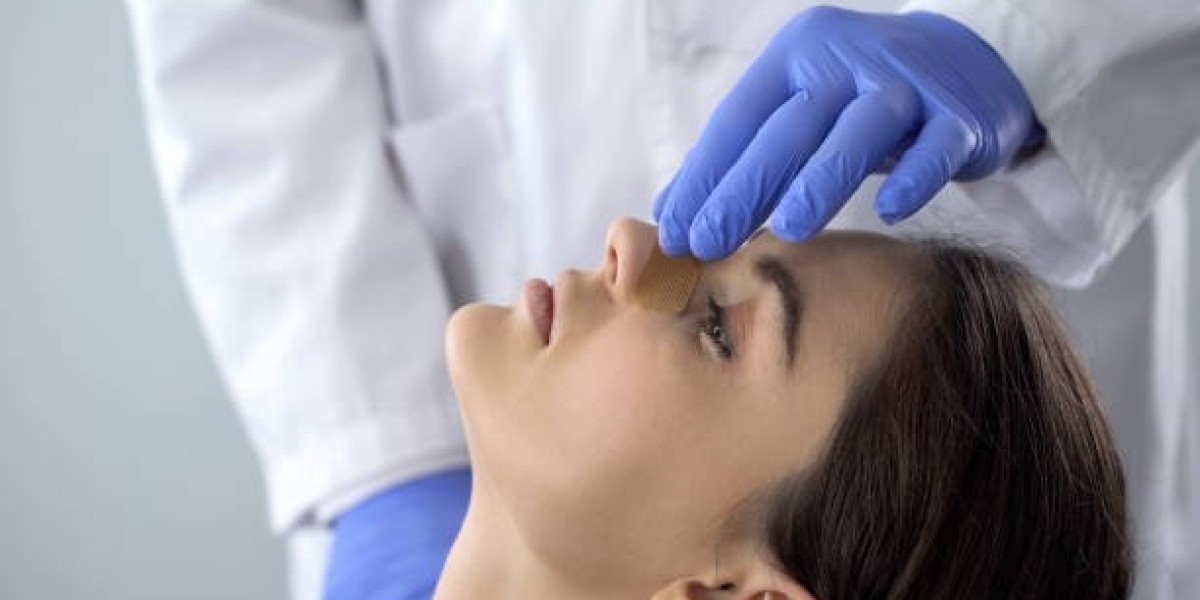

The shape and structure of the nose can influence facial balance, appearance, and breathing comfort. Some people are concerned about a prominent nasal bridge, a broad tip, uneven contours, or changes caused by an injury. Others experience nasal obstruction that affects everyday activities. Rhinoplasty is a surgical procedure that can address selected concerns by reshaping the nasal bone and cartilage. For individuals considering Rhinoplasty in Riyadh (عملية تجميل الأنف في الرياض), understanding the problems this procedure may address, its limitations, and the recovery process can help them make informed decisions about treatment.
What Is Rhinoplasty?
Rhinoplasty, commonly known as a nose job, is a surgical procedure that changes the shape, size, or structure of the nose. It may be performed to improve appearance, address certain structural problems, or achieve both goals when appropriate.
During surgery, a qualified surgeon evaluates the nasal framework and modifies selected tissues according to the patient's anatomy and treatment goals. The procedure may involve reshaping cartilage, adjusting nasal bones, refining the tip, or improving structural support. Each treatment plan is individualized because nasal anatomy, skin thickness, and facial proportions differ from person to person.
Common Nasal Concerns Rhinoplasty Can Address
A Prominent Nasal Bridge
A noticeable bump or uneven contour along the nasal bridge is a common reason people consider rhinoplasty. The prominence may result from the natural shape of the nasal bone and cartilage or develop following an injury.
Rhinoplasty can reduce or reshape selected areas of the bridge to create a smoother profile. The surgeon must also maintain sufficient structural support to protect nasal function. The appropriate amount of correction depends on the patient's facial proportions and existing nasal anatomy.
A Broad or Rounded Nasal Tip
The nasal tip contributes to the overall definition and appearance of the nose. Some individuals feel that their tip looks too broad, rounded, uneven, or insufficiently defined.
Tip refinement involves carefully reshaping the cartilage and, when necessary, improving its support. Skin thickness can influence the final appearance because thicker skin may conceal some of the underlying structural changes. A consultation helps establish realistic expectations about the degree of definition that surgery may achieve.
Wide Nostrils or Nasal Base
Wide nostrils or a broad nasal base may affect how the nose appears in relation to the cheeks and other facial features. In selected cases, rhinoplasty may include adjustments to the tissues around the nostrils to create more balanced proportions.
However, narrowing the nasal base is not suitable for everyone. Excessive reduction can create an unnatural appearance or affect airflow. The surgeon should evaluate the width of the nose alongside its overall structure before recommending any changes.
Crooked or Asymmetrical Nose
A crooked nose may develop naturally or result from an accident, sports injury, or previous surgery. Differences in the nasal bones, cartilage, or septum can contribute to visible asymmetry.
Rhinoplasty may improve the alignment of selected nasal structures. If a deviated septum also affects breathing, septoplasty may be considered as part of the treatment plan. Complete symmetry is rarely achievable because facial features naturally vary between sides, and healing can influence the final result.
Can Rhinoplasty Improve Breathing Problems?
Although rhinoplasty is often associated with cosmetic changes, some procedures focus on improving nasal structure and airflow. Structural concerns, such as weakened nasal support or certain internal abnormalities, may contribute to breathing difficulties.
Functional Rhinoplasty
Functional rhinoplasty addresses structural problems that interfere with nasal breathing. Depending on the cause, surgery may involve supporting weakened areas or correcting selected structural abnormalities.
A thorough assessment is important because congestion and breathing difficulties can also result from allergies, inflammation, or other conditions that may require different treatments. Surgery should only be recommended when the evaluation identifies a suitable structural reason.
Rhinoplasty With Septoplasty
Septoplasty is a procedure used to correct a deviated nasal septum, the wall separating the two nasal passages. When a deviated septum affects airflow and the patient also wants changes to the nose's external appearance, a surgeon may discuss combining septoplasty with rhinoplasty.
The decision depends on the individual's symptoms, anatomy, and medical needs. Patients should understand which parts of the procedure address breathing and which address appearance.
Rhinoplasty After a Nasal Injury
An injury can change the shape of the nose, create a visible bump, or cause the nose to become crooked. It may also affect the internal structures responsible for breathing.
Treatment timing depends on the nature of the injury and the extent of swelling. A recent injury should be assessed by a medical professional, particularly if there is significant pain, bleeding, or breathing difficulty. Once the injury has healed sufficiently, a surgeon can evaluate whether rhinoplasty may help correct lasting structural or cosmetic changes.
Who Is a Suitable Candidate for Rhinoplasty?
Rhinoplasty may be appropriate for people who have specific nasal concerns, are in suitable overall health, and understand the procedure's limitations. Candidates should generally have completed most nasal growth and be able to follow postoperative instructions.
During consultation, the surgeon reviews medical history, medications, allergies, previous nasal procedures, breathing symptoms, and treatment goals. Patients should also discuss smoking or nicotine use, as these can affect healing. The consultation provides an opportunity to evaluate whether surgery is suitable and whether the expected benefits justify the potential risks.
Recovery and Possible Risks
Recovery varies according to the surgical technique and the extent of the changes. Swelling, bruising, tenderness, and temporary nasal congestion are common after rhinoplasty. Many visible symptoms improve over the first several weeks, although subtle swelling can persist for months. The final result may take a year or longer to become clear.
Patients should follow their surgeon's instructions, avoid activities that could injure the nose, and attend follow-up appointments. Potential complications include infection, bleeding, scarring, asymmetry, persistent swelling, breathing difficulties, changes in sensation, and dissatisfaction with the outcome. Some patients may require additional surgery.
Contact the surgical team if fever, increasing pain, unusual discharge, or significant bleeding occurs. Severe breathing difficulty or uncontrolled bleeding requires urgent medical attention.
Book an Appointment at Royal Clinic Saudia
Rhinoplasty may help address concerns such as a prominent bridge, a broad nasal tip, asymmetry, or selected structural problems affecting breathing. Royal Clinic Saudia ( عيادات رويال كلينك ) can help prospective patients explore consultation options and individualized treatment planning. If you are considering Rhinoplasty in Riyadh, speak with a qualified surgeon about your concerns, expected outcomes, recovery requirements, and potential risks before deciding whether the procedure is appropriate for you.










