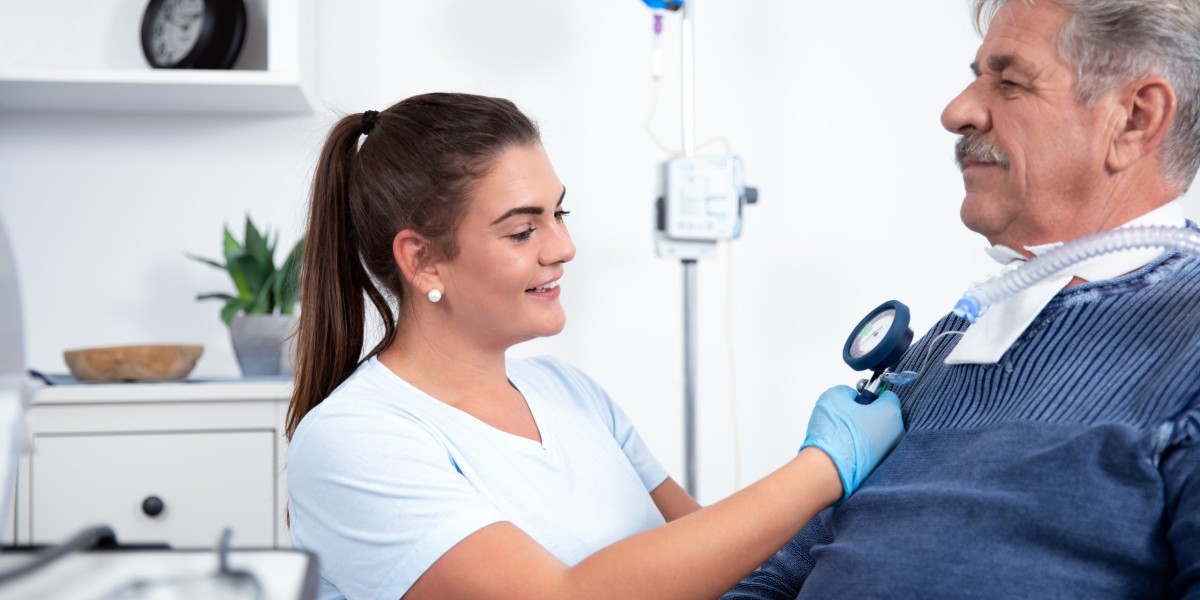

Patients who depend on mechanical ventilation often require continuous attention, specialized equipment, and a carefully coordinated healthcare plan. Receiving this support at home can help eligible patients remain in a familiar environment while staying connected with their families. Ventilator Care At Home In Dubai provides an option for patients who need prescribed breathing assistance, supported by trained nurses and other qualified healthcare professionals. Services such as Doctor at Home may also help coordinate medical assessments when appropriate. Professional nurses play a vital role in monitoring patients, maintaining respiratory equipment according to established protocols, preventing infections, educating caregivers, and recognizing complications that require medical attention. Their support helps families manage the responsibilities of home ventilation with greater confidence.
Understanding the Role of Nurses in Home Ventilator Care:
Professional nurses help deliver safe, organized care to patients who rely on ventilators for breathing support. Their responsibilities depend on their qualifications, clinical authorization, and the individual patient's care plan, but may include monitoring vital signs, assessing respiratory status, providing prescribed airway care, and reporting changes to the treating clinician. Nurses also help patients maintain comfort and dignity while following the instructions established by respiratory specialists and physicians. Because ventilator-dependent patients may have complex medical needs, nursing care often involves coordination with other healthcare professionals. Consistent communication and accurate documentation help ensure that changes in the patient's condition are identified promptly and that care remains aligned with the prescribed treatment plan.
Monitoring Breathing and the Patient's Overall Condition:
Regular assessment is essential for patients receiving ventilation at home because changes in breathing or general health can indicate a developing problem. Nurses may monitor respiratory rate, oxygen saturation when indicated, heart rate, temperature, alertness, and other measurements specified in the patient's care plan. They also observe breathing patterns, skin color, comfort, and signs of respiratory distress. Monitoring equipment provides useful information, but readings must be interpreted alongside the patient's symptoms and clinical condition. Nurses document relevant observations and communicate concerns to the appropriate healthcare professional. Families should understand that monitoring does not eliminate the risk of complications, and severe breathing difficulty, blue or grey lips, sudden confusion, or reduced responsiveness requires immediate emergency assistance.
Ensuring Correct Ventilator Use and Equipment Safety:
Ventilator equipment must be used according to the prescribed settings and the manufacturer's instructions. Nurses can help check that the ventilator, breathing circuit, mask or tracheostomy interface, and other required components are arranged correctly and functioning as expected. They may review alarms, connections, tubing position, and equipment condition within their scope of practice. They also reinforce the importance of not changing ventilator settings without authorization from the treating clinician. Equipment alarms should never be ignored or silenced without understanding the cause. Depending on the patient's needs, the care team may establish backup power arrangements, replacement supplies, and emergency equipment. Regular equipment checks and clear troubleshooting instructions help reduce avoidable interruptions to prescribed breathing support.
Preventing Infections During Ventilator Care at Home:
Infection prevention is a key responsibility when caring for patients who use ventilators, particularly those with tracheostomies or other airway devices. Nurses follow appropriate hand hygiene practices, use protective equipment when indicated, and follow established procedures for airway care and equipment cleaning. They also teach family caregivers how to maintain a clean care environment and handle respiratory supplies safely. Cleaning schedules and replacement procedures should follow the manufacturer's guidance and the patient's clinical instructions. Nurses may watch for warning signs such as fever, unusual or increased secretions, redness around a tracheostomy site, or changes in respiratory status. These symptoms should be reported promptly because infections can worsen quickly in medically vulnerable patients. Caregivers should not improvise cleaning methods or use unapproved products on respiratory equipment.
Providing Tracheostomy and Airway Care When Required:
Some patients receive invasive ventilation through a tracheostomy, which is an opening in the neck that allows access to the airway. These patients may need specialized care to keep the airway clear and the surrounding skin healthy. When included in the care plan and within their professional scope, trained nurses may provide prescribed tracheostomy care, assess the stoma, manage secretions using appropriate techniques, and observe for complications. They can also teach caregivers the procedures they are authorized and trained to perform. Airway care must be individualized because the patient's condition, type of tracheostomy, and secretion needs can differ considerably. Families should receive practical training and clear emergency instructions before taking responsibility for any routine airway-related task.
Supporting Patient Comfort, Nutrition, and Personal Care:
Ventilator-dependent patients may need help with positioning, personal hygiene, nutrition, hydration, skin care, and daily activities. Nurses assess these needs according to the patient's mobility, medical condition, and prescribed care plan. Appropriate positioning may support comfort and help reduce pressure-related skin problems, while regular skin assessment can identify irritation or pressure injuries early. Nutritional support may involve following an established feeding plan and observing for concerns that need clinical review. Nurses also help protect privacy and dignity during personal care and encourage participation in daily activities when medically appropriate. For patients who cannot speak easily because of their breathing interface, nurses can introduce suitable communication methods, such as writing, gestures, or communication aids, based on the patient's abilities.
Educating and Supporting Family Caregivers:
Family caregivers are often closely involved in home ventilator care, but managing complex equipment and medical routines can feel overwhelming without proper guidance. Professional nurses help caregivers understand the care plan, recognize warning signs, and know whom to contact when problems arise. Training should be practical and appropriate to the caregiver's responsibilities, including safe equipment handling, infection prevention, and emergency procedures. Nurses can reinforce key instructions and check that caregivers understand them before performing tasks independently. Useful topics to cover include:
Understanding the purpose of the ventilator and its prescribed settings.
Recognizing relevant alarms and following the approved response plan.
Maintaining hygiene and handling supplies correctly.
Identifying changes that require prompt medical advice.
Knowing when to call emergency services.
Keeping emergency contacts and essential care instructions accessible.
Clear guidance can reduce uncertainty and help caregivers work more effectively with the healthcare team.
Coordinating With Doctors and Respiratory Specialists:
Home ventilator care requires collaboration between nurses, physicians, respiratory specialists, equipment providers, and family caregivers. Nurses often act as an important communication link by documenting observations, reporting changes, and helping arrange reviews according to the care plan. Medical professionals determine treatment goals and make authorized clinical decisions, including changes to ventilator settings. Equipment providers may be responsible for technical servicing, repairs, and replacement supplies. For patients receiving Ventilator Care At Home In Dubai, families should ask how the home healthcare provider coordinates with the treating specialist and what support is available outside scheduled visits. A clear division of responsibilities helps prevent confusion and ensures that clinical concerns, equipment problems, and emergencies are directed to the appropriate service.
Recognizing Emergencies and Responding Promptly:
Even with professional nursing support, ventilator-related emergencies can occur, making preparation essential. Nurses help patients and caregivers understand the specific alarms and emergency procedures relevant to their equipment and medical condition. Warning signs may include severe breathing difficulty, a sudden drop in oxygen saturation relative to the patient's prescribed target, blue or grey lips, unexpected drowsiness, or reduced responsiveness. If the ventilator stops working, caregivers should follow their trained emergency plan and seek assistance immediately when the patient's breathing is compromised. Severe symptoms require a call to local emergency services. Families should never rely solely on remote advice or routine nursing visits when an emergency is occurring. Regularly reviewing the emergency plan helps everyone understand their role under pressure.
Benefits of Professional Nursing Support at Home:
Professional nursing support can help make home ventilation more organized by providing skilled observation, patient education, equipment guidance, and communication with the wider healthcare team. For suitable patients, this care may support comfort, preserve daily routines, and allow family members to participate in care without managing every responsibility alone. The level of nursing support required depends on the patient's medical stability, ventilation needs, and available caregiver training. Families should discuss staffing qualifications, visit schedules, emergency coverage, equipment support, and the scope of nursing services before arranging care. Home ventilation is a complex medical responsibility, so the care plan must include appropriate clinical supervision, reliable equipment, and clear arrangements for urgent assistance.
Final Thoughts.
Professional nurses are an important part of safe ventilator care at home. Through patient monitoring, equipment checks, infection prevention, airway care, caregiver education, and coordination with medical specialists, they help patients receive support that follows their prescribed treatment plan. Families also need practical training, clear emergency instructions, and access to qualified clinical assistance. Ventilator settings should never be changed without appropriate authorization, and serious breathing problems require immediate emergency care. With careful planning and a coordinated healthcare team, Ventilator Care At Home In Dubai can provide eligible patients with a structured approach to respiratory support while prioritizing safety, comfort, and dignity.