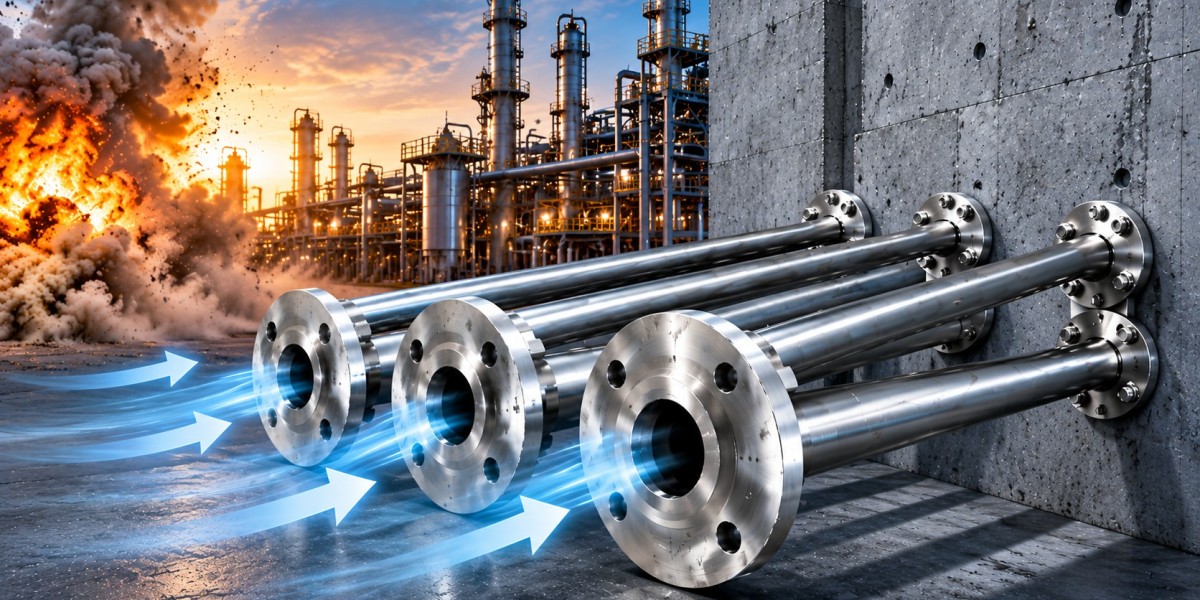

Without a properly engineered Blast Pipe, the pressure wave can travel through duct penetrations, damaging critical systems and putting personnel at risk. This is why blast pipes are considered an essential part of protective ventilation in facilities where explosions are a realistic threat. From defense shelters to nuclear plants, these engineered components help preserve structural integrity and maintain safe airflow during extreme events.
Understanding the Role of a Blast Pipe
A blast pipe is a specially designed steel pipe installed where ventilation ducts pass through blast-resistant walls or protective structures. Unlike conventional piping, it is engineered to withstand high blast pressures while reinforcing vulnerable wall penetrations.
Its purpose is not simply to transport air but to protect the ventilation pathway during an explosion. By creating a strong, secure passage through reinforced walls, blast pipes help maintain both ventilation performance and structural stability when facilities face severe pressure loads.
How Blast Pipes Perform During an Explosion
When an explosion occurs, the resulting blast wave exerts tremendous force on nearby structures. Ventilation openings are naturally weaker than solid concrete or reinforced walls, making them susceptible to failure if not properly protected.
A blast pipe is designed to distribute these forces safely across the surrounding structure instead of concentrating pressure around the duct opening. This controlled load transfer helps prevent cracking, deformation, or collapse around the penetration point.
The reinforced construction also supports connected blast protection equipment, ensuring that ventilation systems remain functional after the initial blast. This combination of structural reinforcement and protected airflow makes blast pipes a critical component in explosion-resistant infrastructure.
Engineering Features That Improve Blast Resistance
The effectiveness of a blast pipe depends on its engineering quality, manufacturing standards, and installation.
High-performance systems are typically manufactured using heavy-duty steel capable of resisting extreme pressure and mechanical stress. Reinforced wall thickness provides additional strength, while corrosion-resistant finishes ensure long-term durability in demanding industrial environments.
A properly engineered Blast Resistant Pipe offers:
High structural strength against blast loads.
Excellent durability under harsh operating conditions.
Precision fabrication for accurate installation.
Resistance to corrosion and environmental degradation.
Reliable performance over many years of service.
These characteristics help ensure that protected ventilation systems continue operating even under challenging conditions.
Integration with Complete Blast Protection Systems
A blast pipe performs best when installed as part of a fully integrated ventilation protection system.
It provides the structural foundation for blast valves that automatically isolate pressure waves during an explosion. Gas-tight valves prevent hazardous gases from entering protected spaces, while CBRN and NBC filtration systems remove dangerous airborne contaminants before clean air reaches occupants.
A properly designed blast pipe exhaust system connects all of these protective elements while maintaining controlled airflow during normal operations. This integrated approach significantly improves both occupant safety and operational resilience.
Solutions such as Sigma Power Tech Blast Pipe are engineered for compatibility with complete blast protection systems, enabling facilities to achieve dependable performance across demanding industrial and defense applications.
Industries That Depend on Blast Pipes
Blast pipes are widely used in facilities where operational continuity and personnel protection are mission-critical.
Typical applications include:
Defense installations and military command centers.
Underground bunkers and emergency shelters.
Nuclear and thermal power stations.
Chemical manufacturing plants.
Oil and gas refineries.
Petrochemical processing facilities.
Critical government infrastructure.
In these environments, protected ventilation plays an important role in maintaining safe operating conditions before, during, and after a blast event.
Factors That Influence Blast Pipe Pricing
The cost of a blast pipe depends on several engineering and manufacturing considerations rather than size alone.
Material grade is one of the biggest pricing factors, as higher-strength steel provides greater resistance to blast pressure. Wall thickness, pipe diameter, pressure rating, protective coatings, and manufacturing complexity also influence the final cost.
Projects requiring third-party certification, custom dimensions, or specialized military specifications may involve additional engineering and testing. Buyers should evaluate total lifecycle value instead of selecting products based solely on the lowest initial price.
Choosing Reliable Blast Pipe Manufacturers in India
Selecting experienced Blast Pipe Manufacturers in India is essential for ensuring long-term safety and performance.
Look for manufacturers with proven expertise in blast protection engineering rather than standard industrial fabrication. Reliable suppliers should provide engineering support, quality-controlled manufacturing, documented testing, and products compatible with blast valves and protected ventilation systems.
Customization capabilities, technical consultation, and responsive after-sales service are also valuable indicators of a dependable manufacturing partner.
Common Selection Mistakes to Avoid
Many blast protection projects underperform because ventilation components are selected without considering the complete protection system.
Common mistakes include using conventional industrial pipes instead of engineered blast-resistant products, overlooking compatibility with blast valves and filtration systems, ignoring structural wall penetration requirements, and purchasing products without verified engineering documentation.
Another frequent error is prioritizing purchase price over certified performance and long-term reliability. In blast protection applications, these compromises can significantly increase operational risk.
Improving Ventilation Safety
Protective ventilation systems should be reviewed regularly to ensure they continue meeting evolving safety requirements.
Review your facility's ventilation safety setup to identify potential vulnerabilities before they become operational risks. Consider upgrading your blast protection systems if existing infrastructure no longer aligns with modern engineering standards. Explore more safety insights to stay informed about technologies that strengthen facility resilience and improve emergency preparedness.
Conclusion
Blast pipes are a vital part of modern blast-resistant infrastructure because they protect ventilation penetrations, distribute explosion forces, and preserve the integrity of critical structures during high-pressure events. When combined with blast valves, gas-tight valves, and advanced filtration systems, they create a comprehensive ventilation protection strategy that supports both safety and operational continuity.
Whether installed in defense facilities, power plants, chemical industries, or underground shelters, a properly engineered blast pipe delivers long-term value through dependable performance and structural protection. Partnering with experienced manufacturers and specifying the right solution from the beginning helps ensure that critical infrastructure remains resilient when facing the challenges of explosive hazards.