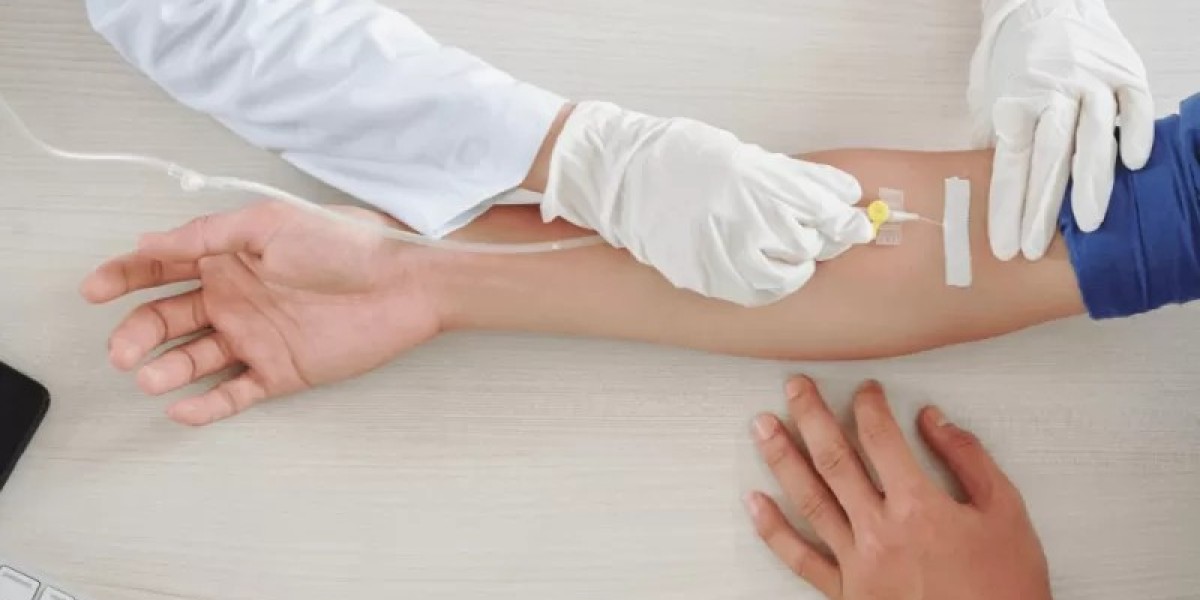

Dehydration occurs when the body loses more fluids than it takes in, affecting normal functions such as circulation, temperature regulation, and energy levels. For patients who need medical support, Glucose Drip at Home in Dubai may be considered when a healthcare professional determines that intravenous fluids are appropriate. A Doctor at Home service can assess symptoms, identify possible causes of dehydration, and recommend a suitable treatment plan. However, a glucose drip is not necessary for every case of dehydration. Many patients recover with oral fluids, while severe dehydration or serious underlying illness may require urgent hospital treatment.
What Is Dehydration and Why Does It Occur?:
Dehydration develops when the body loses excessive amounts of water and electrolytes through sweating, vomiting, diarrhea, fever, or inadequate fluid intake. It may also occur when illness, reduced mobility, or certain medications make it difficult to drink enough fluids. Common symptoms include thirst, dry mouth, headache, dark urine, reduced urination, fatigue, and dizziness. Older adults, young children, and people with chronic medical conditions may be more vulnerable to complications. Recognizing these symptoms early helps patients and caregivers seek appropriate treatment before fluid loss becomes more serious.
What Is a Glucose Drip and How Does It Help?:
A glucose drip is an intravenous solution containing dextrose, a form of glucose, administered directly into a vein. Depending on its formulation, it can provide water and glucose, but it does not automatically replace the electrolytes lost during dehydration. Some patients need a different intravenous fluid or a combination of treatments based on their clinical condition and laboratory findings. A healthcare professional must determine the appropriate fluid type, concentration, and administration rate. Glucose-containing solutions should not be used as a universal remedy for dehydration, and patients should never receive an infusion without a valid medical indication and professional supervision.
When Should You Consider Glucose Drip at Home in Dubai?:
A home-based intravenous treatment may be considered when a clinician confirms that a patient needs prescribed fluid or glucose support and is stable enough to receive it safely outside a hospital. This decision depends on the severity of dehydration, the underlying cause, medical history, and the availability of appropriate monitoring. A professional assessment is particularly important when symptoms persist despite reasonable oral fluid intake or when an illness makes drinking difficult. Situations that warrant medical evaluation include:
Persistent fluid loss from vomiting or diarrhea.
Difficulty drinking enough fluids because of illness or weakness.
Reduced fluid intake during recovery from a medical condition.
Symptoms of dehydration that are not improving with appropriate oral rehydration.
A medical condition that increases the risk of fluid or electrolyte imbalance.
These situations do not automatically mean a glucose drip is required. The clinician must determine whether oral rehydration, another treatment, prescribed intravenous fluids, or hospital care is most appropriate.
Can Mild Dehydration Be Treated Without a Drip?:
Mild dehydration can often be managed by drinking fluids regularly and using an oral rehydration solution when appropriate, especially when fluid loss results from diarrhea or vomiting. Oral rehydration solutions contain carefully balanced amounts of water, glucose, and electrolytes that help the intestines absorb fluids. Patients should take small, frequent sips if nausea makes drinking difficult and follow medical advice if they have kidney disease, heart failure, or another condition requiring fluid restrictions. If symptoms worsen, urination becomes significantly reduced, or the patient cannot keep fluids down, medical evaluation is necessary. An intravenous infusion should not replace simple oral treatment when drinking is safe and effective.
Signs That Dehydration May Require Urgent Medical Attention:
Some symptoms indicate that dehydration may be severe or associated with another serious illness. These warning signs should not be managed by arranging a routine home infusion alone. Seek urgent medical assessment if a patient experiences:
Confusion, fainting, or difficulty staying awake.
Severe dizziness or an inability to stand safely.
Very little or no urine over an unusually long period.
Persistent vomiting that prevents fluid intake.
Rapid breathing, a very fast heartbeat, or marked weakness.
Cold, pale, or clammy skin with signs of poor circulation.
If the patient loses consciousness, develops severe confusion, has difficulty breathing, or appears to be in shock, contact emergency services immediately. Hospital treatment may be necessary for rapid assessment, laboratory testing, and closely monitored fluid replacement.
Who May Need Extra Precautions Before Receiving a Glucose Drip?:
Intravenous glucose is not suitable for everyone, and certain patients need additional evaluation before treatment. People with diabetes may experience elevated blood glucose, while patients with kidney disease or heart failure may be vulnerable to fluid overload. Electrolyte abnormalities, medication use, and other medical conditions can also influence the choice of intravenous solution. Older adults may have reduced thirst or difficulty communicating symptoms, making careful assessment particularly important. A healthcare professional should review the patient's symptoms, medical history, medicines, and relevant test results before prescribing treatment. The safest approach is individualized care rather than selecting a drip based on fatigue or dehydration symptoms alone.
What Happens During a Professional Home Healthcare Visit?:
When a patient requests Glucose Drip at Home in Dubai, the healthcare professional should first assess the patient's condition and determine whether home treatment is clinically appropriate. This may include reviewing fluid losses, checking vital signs, evaluating blood glucose when indicated, and considering the need for laboratory testing. If intravenous treatment is prescribed, a qualified professional should use appropriate sterile equipment, administer the correct solution, and monitor the patient for adverse effects. Patients and caregivers should receive clear instructions about aftercare and when to seek further help. If the patient is unstable or requires investigations and monitoring unavailable at home, referral to a hospital is the safer option.
How to Reduce the Risk of Dehydration at Home:
Preventing dehydration involves maintaining suitable fluid intake and responding promptly to illnesses that increase fluid loss. Patients should drink fluids regularly throughout the day, with additional attention during hot weather, exercise, fever, or gastrointestinal illness. Oral rehydration solutions may be useful when recommended for fluid losses from vomiting or diarrhea. Families caring for older adults or people with limited mobility can encourage regular drinking and monitor changes in urination, alertness, and general well-being. Helpful precautions include:
Keep drinking water accessible throughout the day.
Offer small, frequent sips when nausea makes drinking difficult.
Follow medical advice about oral rehydration solutions.
Monitor fluid intake during illnesses that cause vomiting or diarrhea.
Follow prescribed fluid restrictions when advised for heart or kidney conditions.
Seek medical advice if symptoms persist or become more severe.
These steps can help reduce preventable fluid loss, although they cannot replace medical treatment when dehydration is severe.
Final Thoughts
A glucose drip may be appropriate for selected patients who need medically prescribed intravenous support, but it is not the first-line treatment for every case of dehydration. Glucose Drip at Home in Dubai can offer convenience when a qualified healthcare professional confirms that home administration is safe and suitable. Mild dehydration often responds to oral fluids or an appropriate oral rehydration solution, while severe symptoms require urgent medical attention. Patients should never self-prescribe an infusion or assume that glucose alone will restore lost fluids and electrolytes. Early assessment, individualized treatment, and appropriate follow-up help support safer recovery and reduce the risk of complications.