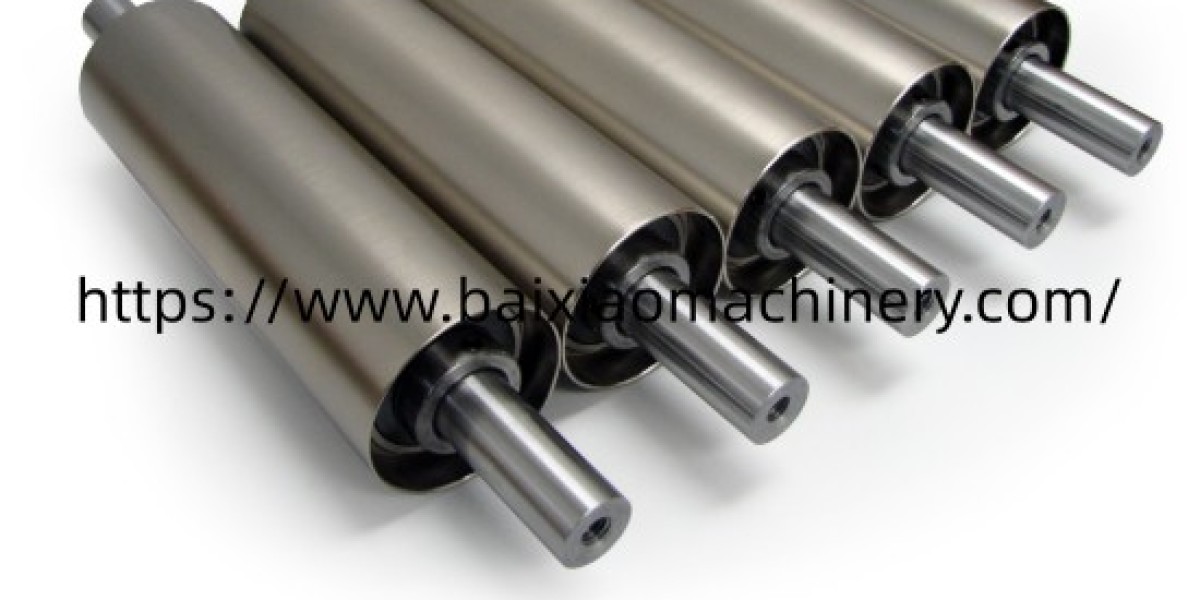

In converting and roll-processing equipment, the connection between a machine shaft and the material core can influence how securely a roll is held during production. An Expansion Shaft uses an expanding mechanism to engage the inside of a core, helping transmit rotational movement and support roll handling during winding or unwinding. Its suitability depends on the material of the shaft body, the gripping arrangement, the core being used, and the operating conditions of the complete machine.
Material selection begins with the demands placed on the shaft. Metal construction is commonly considered for industrial applications because it provides a stable structure for supporting rolls and transmitting movement. Different metals offer different combinations of strength, weight, machinability, and resistance to environmental exposure. The choice should reflect the intended load, operating environment, and required service life. Material selection also affects manufacturing processes, surface finishing, maintenance, and the overall design of the shaft assembly.
The expanding mechanism is central to how the shaft interacts with a roll core. Depending on the design, gripping elements may move outward to engage the inner surface of the core and retract to allow removal. Different mechanisms can provide different approaches to gripping, release, and adjustment. Buyers should understand how the mechanism operates and whether it suits their production routine. A system that is easy to engage but difficult to release may create unnecessary delays during roll changes.
Choosing a suitable shaft requires more than checking whether it fits inside a core. Buyers should consider the core material, internal surface condition, roll characteristics, handling method, and the way the shaft connects to the machine. Paper, film, foil, fabric, and other flexible materials may be processed under different conditions. Providing a supplier with clear application information can help establish whether the proposed shaft design is compatible with the existing equipment and production process.
Core compatibility deserves particular attention. The gripping mechanism must engage the core appropriately without causing avoidable damage or slipping during operation. Core materials can differ in rigidity, surface condition, and resistance to local pressure. A shaft designed for one type of core should not automatically be assumed suitable for another. Buyers should discuss the core's construction and the intended operating conditions when evaluating an expansion mechanism.
Mechanical integration is another important factor. The shaft must work with the machine's drive system, support bearings, mounting arrangement, and roll-handling equipment. Correct alignment helps the assembly rotate as intended and can reduce unnecessary stress on connected components. The shaft's end connections and support points should be considered during machine design or replacement planning, since an otherwise suitable shaft may still be difficult to install if its interfaces do not match the equipment.
Operating technology can influence the choice of expansion method. Some shaft designs use mechanical adjustment, while others rely on pneumatic operation to engage or release the core. The appropriate arrangement depends on the machine's control system, the frequency of roll changes, and the operator's workflow. Pneumatic mechanisms may be useful where controlled engagement is integrated into the production process, while other arrangements may suit equipment that prioritizes straightforward mechanical operation. Buyers should evaluate the mechanism alongside available utilities and maintenance capabilities.
Ease of handling has a direct effect on the operator's experience. Roll changes may involve removing a finished roll, preparing a new core, positioning the shaft, and securing the material before production resumes. A practical design can make these steps easier to understand and carry out. The shaft's weight, grip points, access to release controls, and compatibility with lifting equipment may influence how conveniently it can be handled during routine work.
Maintenance should be considered from the beginning rather than after installation. Expanding elements, moving parts, air connections, and mechanical interfaces may require inspection or cleaning, depending on the shaft design. Dust, adhesive residue, paper fibers, and other production debris can interfere with moving components if they accumulate. Accessible construction and clear service instructions can help maintenance personnel identify wear, clean relevant areas, and replace components when necessary.
Quality control is important because the shaft combines structural support with a moving gripping mechanism. Inspection may involve checking the body, connection interfaces, expanding elements, surface condition, and overall operation. The specific evaluation process should correspond to the design and intended application. For customized shafts, communication about drawings, core compatibility, installation requirements, and inspection expectations can help align the finished product with the machine's needs.
Design and appearance also influence how the component integrates into industrial equipment. A clean surface finish, organized mechanism, and accessible connection points can make the shaft easier to inspect and maintain. Functional design should take priority over decoration, but a well-arranged structure can still contribute to a professional machine appearance. Clear identification of operating and service areas may also help technicians understand the component during routine work.
Customization becomes useful when a production line uses specialized cores, machine interfaces, or roll-changing procedures. A manufacturer may need to adapt the gripping arrangement, shaft connections, material selection, or service access to fit a particular application. Early collaboration between the equipment builder and component supplier can reveal practical constraints before manufacturing begins. Drawings, samples, and details about the roll-processing task provide a useful foundation for evaluating possible designs.
Zhejiang Province, Ruian Baixiao Machinery Co., Ltd. is associated with machinery manufacturing and related equipment solutions. Businesses evaluating shaft components can discuss their roll materials, core construction, drive arrangement, operating environment, and maintenance practices with a suitable supplier. This information can help clarify which design features deserve attention and how the shaft should integrate with the complete machine. Further information about the company's machinery products and related solutions is available at https://www.baixiaomachinery.com/