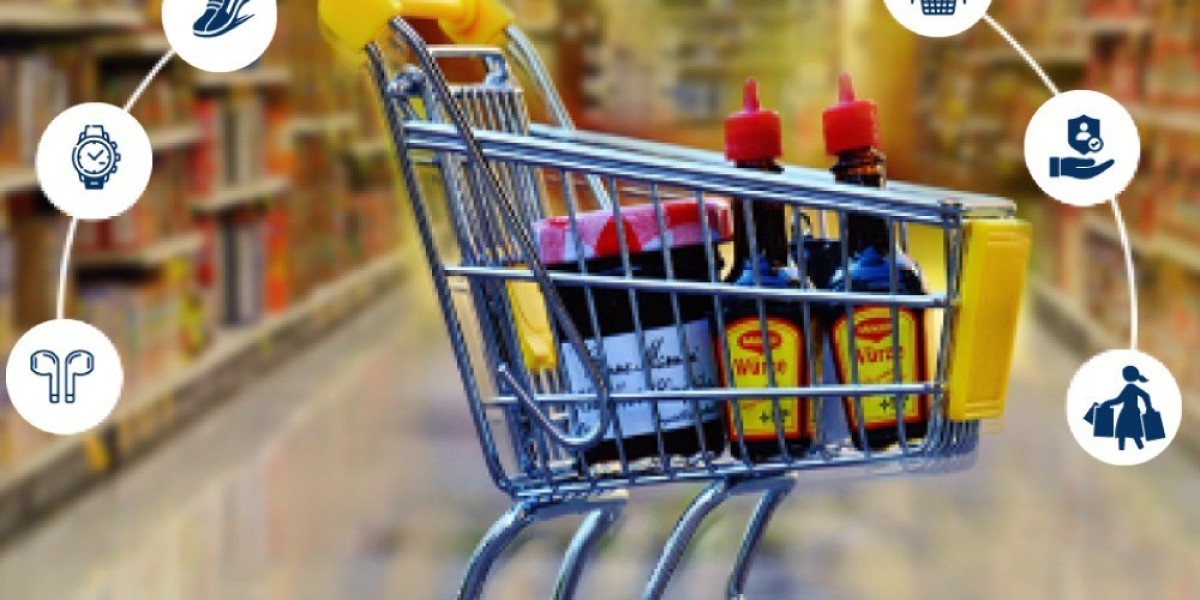

The COVID-19 pandemic reshaped consumer behavior across the FMCG industry. Health concerns, restricted mobility, economic uncertainty, and changing household routines influenced how consumers purchased everyday products. These developments affected product demand, brand preferences, packaging requirements, and retail distribution strategies.
For FMCG manufacturers, understanding these changes became essential for maintaining customer relationships and identifying emerging business opportunities.
Market Growth and Trends
One of the most visible trends was the increased focus on hygiene and health. Consumers paid greater attention to soaps, hand sanitizers, disinfectants, and household cleaning products. This demand encouraged manufacturers to expand relevant product offerings and improve the availability of hygiene essentials.
Food purchasing behavior also changed. With more people preparing meals at home during lockdowns, demand patterns shifted toward packaged foods, cooking ingredients, snacks, and other household staples. However, the effects varied across product categories, locations, and consumer income groups.
Affordability became another important consideration. Economic uncertainty encouraged some households to prioritize essential products, compare prices, and choose economical packaging. FMCG businesses responded through promotional offers, smaller pack sizes, and adjustments to their product portfolios.
Brand loyalty also faced challenges. Product shortages sometimes prompted consumers to purchase available alternatives rather than their preferred brands. This created opportunities for competing manufacturers, particularly those capable of maintaining reliable local distribution.
Digital engagement grew in importance as well. Consumers increasingly used online platforms to discover products, compare prices, and place orders. Brands expanded their digital advertising, online product information, and direct-to-consumer initiatives to remain connected with customers.
Key Players and Competitive Landscape
Companies such as Unilever, Nestlé, Procter & Gamble, and PepsiCo adapted to changing consumer needs through product innovation, targeted promotions, and distribution adjustments.
Manufacturers also emphasized clear product information, reliable availability, and convenient purchasing options. Companies capable of identifying changing preferences through sales data and consumer research gained opportunities to refine their marketing strategies.
Future Scope
The pandemic's lasting influence on FMCG consumer behavior trends continues to offer lessons for manufacturers and retailers. Health awareness, convenience, affordability, and digital purchasing remain important considerations in consumer-market planning.
Businesses may increasingly use consumer analytics and personalized marketing to identify emerging preferences and improve product positioning. At the same time, maintaining trust, product quality, and transparent communication will remain essential.
The future competitive landscape will favor companies that combine consumer insights with flexible product development and dependable distribution.
FAQs
Q1. How did COVID-19 change FMCG consumer behavior?
Consumers increasingly prioritized essential products, hygiene, convenience, and affordability while adopting online shopping and changing their brand preferences.
Q2. Why is consumer research important for FMCG companies?
Consumer research helps businesses understand purchasing preferences, forecast demand, develop relevant products, and create more effective marketing campaigns.