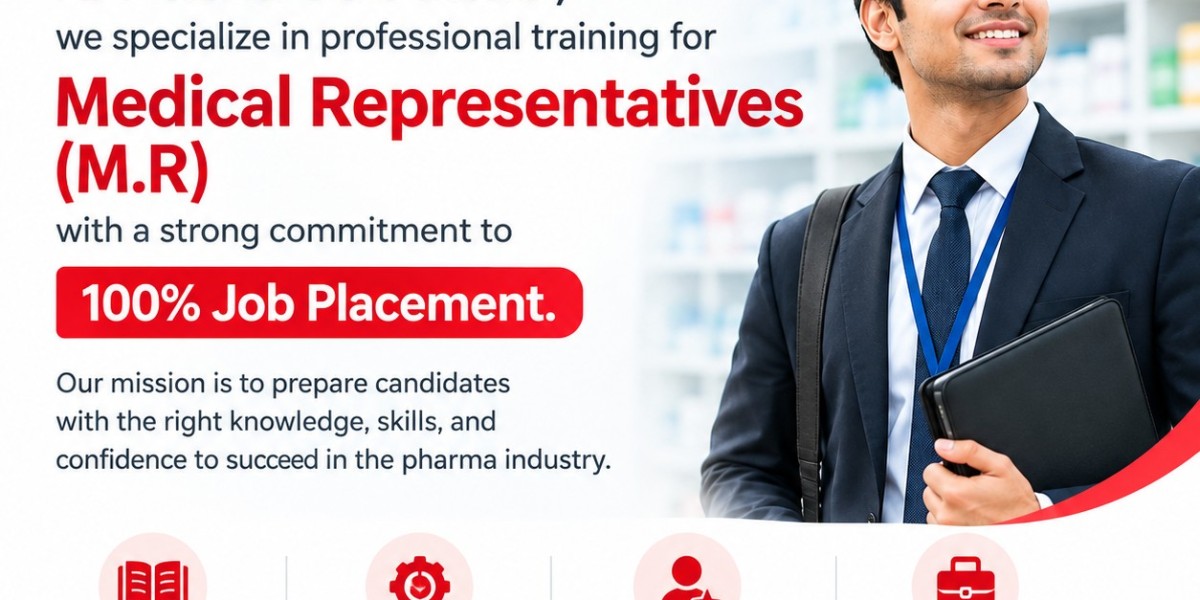

If you are interested in working in the pharmaceutical industry, becoming a Medical Representative (MR) may be one career option to explore. The role involves learning about pharmaceutical products, communicating with healthcare professionals, planning field visits and representing a company responsibly.
For freshers, the work may seem unfamiliar. You might understand your college subjects, but still need practice in product presentations, professional communication and field planning. A medical representative training course can help you prepare for these responsibilities—but choosing the right one takes a little research.
Before enrolling, think about what you want to learn, what the course actually offers and how it fits your career plans. Here are some points to consider.
1. Understand What You Need to Learn
Start by reviewing the responsibilities commonly associated with a Medical Representative Job. Depending on the employer, an MR may need to learn product information, meet healthcare professionals, maintain professional contacts, complete reports and work towards company targets.
A training course should help you understand these tasks. It should not focus only on memorising sales terms or preparing a short interview introduction.
Make a list of the skills you want to develop. For example, you may need help with:
Understanding basic pharmaceutical terminology
Studying product information accurately
Speaking confidently and professionally
Preparing a clear product presentation
Planning visits and managing time
Preparing for interviews and field work
Once you know what you need, it becomes easier to compare courses.
2. Check the Course Syllabus Carefully
The syllabus is one of the first things to review. A course title may sound relevant, but the actual lessons tell you whether it covers useful material.
Look for subjects such as pharmaceutical industry basics, the MR role, product knowledge, communication, professional conduct, field planning and interview preparation.
The course should explain how these skills are used in real work. For example, a lesson on communication is more useful when learners practise introducing themselves, explaining information clearly and responding to questions—not just reading about communication.
Ask the provider for a course outline if it is not available online. Check the duration of each topic and whether there are practical exercises.
3. Look for Practical Training, Not Just Theory
The MR role involves interacting with people and explaining information. Reading notes alone may not prepare you for those situations.
A useful medical representative training course should offer some opportunities to practise. These might include mock product presentations, role-play, interview exercises or sample field-planning activities.
Ask how practical sessions are conducted. Will you receive feedback? Can you repeat an exercise after making improvements? Are you given a chance to ask questions?
Practical work can help you identify areas that need attention before you apply for a job. It also gives you a clearer idea of what the role may involve.
4. Review the Trainers’ Experience
The trainer’s experience can influence how useful the course is. Someone who understands pharmaceutical field work may be able to explain common workplace situations and the expectations of employers.
Ask about the trainer’s background and how the lessons are taught. You do not need to rely only on promotional claims. Look for clear information about their experience, the course content and the kind of guidance learners receive.
A good trainer should explain concepts in a way that freshers can understand, encourage questions and correct mistakes respectfully.
5. Find Out How Product Knowledge Is Taught
Product knowledge is important in a Medical Representative Job. Representatives must understand the products they are assigned and communicate approved information accurately.
A course should teach learners how to study product information, identify key details and verify information when they are unsure. It should also make clear that trainees must not invent claims, promise outcomes or provide medical advice outside their role.
Ask whether the course uses examples or exercises to help students practise. The goal should be to build a reliable learning method—not to memorise product names without understanding them.
Remember that employers usually provide their own product training after hiring. A pre-employment course can build a foundation, but it cannot replace company-specific instruction.
6. Check Interview and Job-Readiness Support
If your main goal is to apply for a Medical Representative Job MR Job, interview preparation may be useful. Ask whether the course includes mock interviews, guidance on presenting your education and practice answering common questions.
Useful practice questions may include:
Why are you interested in the MR role?
What do you understand about a Medical Representative’s responsibilities?
Are you comfortable with field work and travel?
How would you prepare for a product presentation?
What would you do if you did not know the answer to a question?
The course should help you answer honestly and clearly. It should not encourage you to claim experience or product expertise you do not have.
Also check whether the provider offers job alerts, interview referrals or placement assistance—and what those services actually mean.
7. Understand Placement Claims Before You Enrol
Some training providers advertise placement support. Before relying on such claims, ask what support is included.
Does the provider help prepare a CV, share vacancies, arrange interviews or connect candidates with employers? Are there eligibility conditions? Is the support available to every learner, or does it depend on performance?
Be careful with statements that suggest a course guarantees a job or a particular salary. Employment depends on vacancies, qualifications, interview performance, location and employer requirements.
Ask for the terms in writing and make your decision based on the training itself, not only on a placement promise.
8. Compare Course Fees, Duration and Format
A course should fit your budget and schedule. Compare the total fee, duration, class timings and any additional costs for materials or assessments.
Some learners prefer classroom sessions because they can practise directly with a trainer. Others may find online learning more convenient. The better option depends on how you learn and whether the course includes enough interaction and practical work.
Before paying, check:
What the fee covers
Whether learning materials are included
How long you can access the lessons
Whether missed classes can be made up
Whether you can contact the trainer with questions
Whether there is a refund or cancellation policy
Avoid choosing a course solely because it is the cheapest or has the longest duration. Look at what you will actually learn.
9. Ask About Reviews and Speak to Former Learners
Reviews can offer useful clues, but they should not be the only factor in your decision. Look for detailed feedback about teaching quality, practical exercises and learner support rather than only short statements praising the provider.
If possible, speak with someone who has completed the course. Ask what they found useful, what they wished had been included and whether the training matched what was advertised.
A provider should be comfortable explaining the course structure and answering reasonable questions before enrolment.
10. Choose a Course That Matches Your Career Stage
A fresher may need a different type of support from someone who already has pharmaceutical sales experience.
If you are new to the industry, look for a course that explains the MR role from the beginning and includes basic product knowledge, communication practice and interview preparation.
If you already understand the fundamentals, you may prefer focused training in presentation skills, territory planning or professional development.
In either case, make sure the course is relevant to the kind of Medical Representative Job you want to pursue. Read current job advertisements to understand the qualifications and skills employers in your area are asking for.
Conclusion
Choosing a medical representative training course is about finding practical learning that fits your needs—not simply selecting the course with the biggest promises.
Review the syllabus, check the trainer’s experience, ask about hands-on practice and understand any placement support before enrolling. A good course can help you prepare for interviews and develop useful skills, but your progress will also depend on continued learning and experience.
If you are aiming for a Medical Representative Job MR Job, take time to build a foundation in product knowledge, communication, professional conduct and field planning. The right training can help you approach your first opportunity with a clearer understanding of the work and the skills you still need to develop.