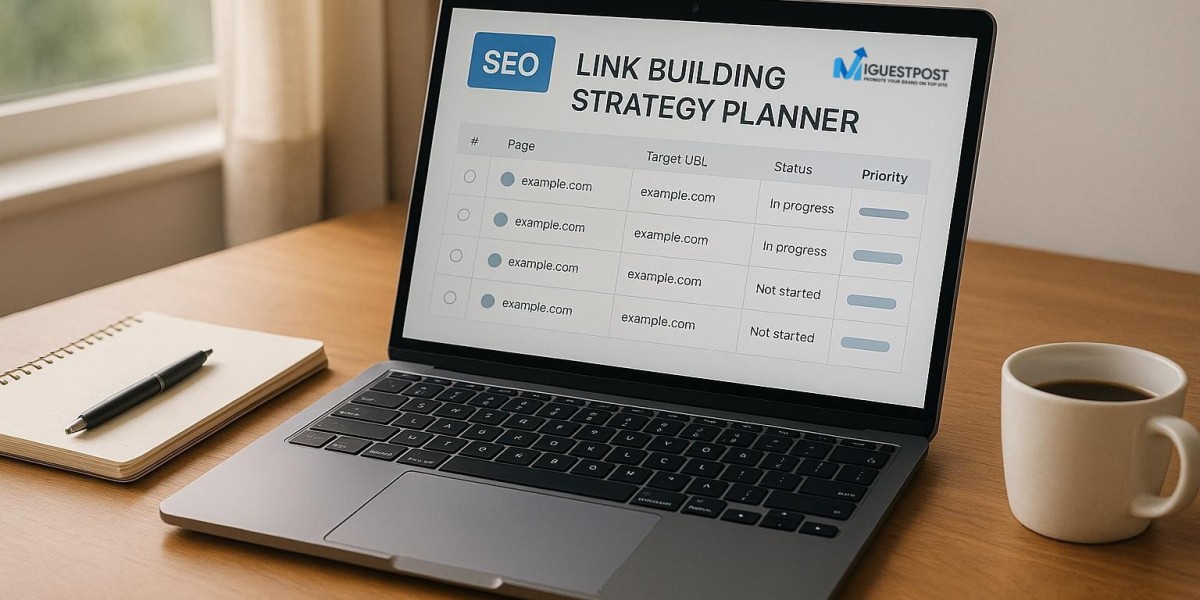

For a sustained SEO strategy, it is vital to have quality backlinks. However, simply sending emails in bulk or publishing on any web platform will not yield fruitful results. Through the integration of real blogger outreach along with quality content creation and link building, businesses can ensure that they reach the right audiences and make deeper connections with publishers.
What Makes a Backlink High Quality?
An effective backlink usually appears in an environment that benefits the reader and originates from a relevant website. It makes sense within the text and the linked page contains useful information.
Take into account the following factors besides domain authority scores: topical relevance, journalistic quality, website credibility and audience compatibility. Although no single backlink guarantees better ranking, relevant backlinks are still useful for discoverability and referral traffic.
5 Strategies to Build High-Quality Backlinks
1. Be Attentive to Real Blogger Outreach
Identifying blogs and publications where the content is relevant to your niche is the initial stage of successful blogger outreach. Investigate every publication and find out about the topics which it covers instead of sending one email to dozens of different websites.
Your proposal should be personalized; select the topic which is interesting for the target audience of the website and demonstrate how your content may be useful. Standard backlinks requests are unlikely to foster strong professional relationships.
In your outreach efforts, follow the rules of editorial policy and do not ask or promise to build links in order to improve search engine rankings.
2. Learn How to Create Broken Links
Searching for websites having broken links is the initial step in learning how to do broken link building. The broken links can point to pages giving an error message like 404, outdated pages, or deleted pages.
Perform the following steps:
Find related websites: Search for journals, reference pages, and industrial blogs that pertain to your niche.
Find out about broken links: Find non-working URLs through SEO tools or link checkers and verify whether they are indeed not working.
Identify the content of the missing page: Understand what was present on that particular page so that you could find an appropriate replacement.
Offer useful content: Find a page which exists on your site or make one that serves the same purpose.
Contact the publisher: Send a brief email that describes the broken link and mentions your offer as an alternative.
The key is relevance. Your resource should genuinely help the website's readers, and the publisher should be free to decide whether to replace the link.
3. Look for Backlinks by Rivals
Companies in your industry may be linked to via backlinks analysis from competitors. Referring domains and pages can help in identifying possible sources where you may publish or write your content.
However, check those sites for SEO, but do not try replicating all the links you discover there. The first preference should be given to those backlinks which suit your requirements.
4. Consider Relevant Niche Edits
Contextual links, also known as niche edits, refer to inserting a relevant link into an existing article in such a way that it improves the information that readers have access to.
Identify those stories whose context is best served by the inclusion of your resource. Avoid link manipulation and irrelevant inserts. In keeping with the requirements of search engines, paid links are supposed to be appropriately disclosed.
5. Create Content Worthy of Backlinks
There are many reasons that publishers would want to link back to your site: original research, useful information, industry statistics, practical experience, and guidelines for best practice.
Ensure that your work is clear, accurate, and organized. Distribute it to editors, bloggers, and businessmen after you have released it. Your content should inspire action because it provides something for the publisher to consider.
Common Mistakes in Link Building to Avoid
Stay away from unnatural anchor texts, irrelevant guest posts, automated spamming, and choosing websites based only on their external authority metrics. This approach can bring about unnecessary SEO risks and waste time and effort.
Keep checking your backlinks and referring domains, and make sure that your links are of good quality, not just in quantity. Remember that organic success depends on other factors as well as technical SEO and useful content.
Conclusion
High quality backlinking requires research, relevant content, and honest communication. A business can develop a more complete approach for their search engine optimization process by using actual blogger outreach, linkbait development, competitive analysis, niche changes, and linkable content. Rather than acquiring backlinks for just the sake of increasing numbers, focus should be put on sources and connections that bring something valuable to the reader. The purpose of sustainable backlinking is gaining relevant references for increased exposure to your site.