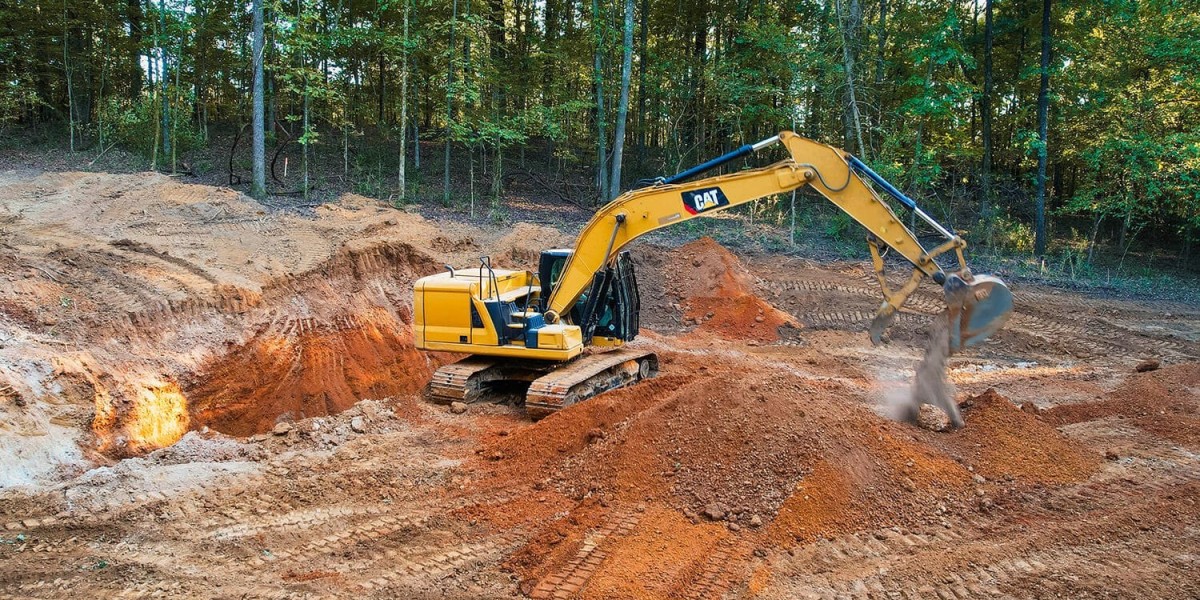

Successful construction starts with a well-prepared site. Before a building foundation can be poured, underground utilities can be installed, or a driveway can be constructed, the ground must be evaluated and prepared for the work ahead. Excavation involves much more than moving dirt; it requires suitable machinery, accurate measurements, safe work practices, and an understanding of site conditions. Careful preparation helps reduce construction delays, protect surrounding property, and create a stable base for future development.
Professional excavation services dfw tx support residential, commercial, and industrial projects throughout the Dallas–Fort Worth area. Depending on the job, contractors may dig foundations, grade uneven land, create utility trenches, remove unsuitable soil, or prepare building pads. Some projects also require demolition or land clearing before excavation can begin. Understanding the equipment, safety standards, and assessment process helps property owners make informed decisions and choose a contractor suited to their project's requirements.
Understanding the Role of Professional Excavation Services
Excavation is the process of removing, moving, or reshaping soil and other materials to prepare land for construction. It is commonly used for house foundations, commercial buildings, retaining walls, drainage systems, parking areas, and underground utilities. The work must follow the project's design specifications to achieve the required depth, slope, and elevation. Even relatively small excavation jobs benefit from careful planning because mistakes can affect drainage, structural support, and later construction stages.
Before work begins, contractors need to understand the property's existing conditions and the intended outcome. They may review architectural drawings, engineering plans, surveys, and grading specifications to determine the work required. A site visit can reveal obstacles such as limited equipment access, steep slopes, existing structures, buried debris, or areas where water collects. This information helps the contractor choose suitable machinery, estimate the resources needed, and establish a practical work sequence.
Properties across the DFW region can have different soil and drainage conditions, which may affect excavation methods. Expansive clay, loose fill, rocky ground, and moisture variations can influence how the soil behaves during digging and compaction. Contractors should follow the approved project plans and seek engineering guidance when conditions raise concerns about stability or foundation performance. A thorough assessment helps identify potential issues before they become costly construction problems.
Common Excavation Equipment and Its Uses
The equipment used on an excavation site depends on the size of the project, the type of material being moved, and the available working space. Excavators are commonly used to dig foundations, remove soil, and create trenches. Their hydraulic arms and interchangeable attachments allow contractors to handle different tasks efficiently. Compact excavators can be useful in smaller residential spaces, while larger machines are better suited to substantial commercial developments.
Bulldozers and motor graders serve different purposes during site preparation. Bulldozers can push soil, clear certain obstacles, and perform rough grading across larger areas. Motor graders help establish more precise ground levels for roads, access routes, and other surfaces. Wheel loaders and dump trucks support material handling by moving soil, transporting debris, and clearing the work area for the next construction stage.
Other equipment may be required for specialized tasks. Hydraulic breakers can help break up concrete or rock, while trenching equipment can create narrow excavations for underground services. Compactors are used to improve soil density where specified, helping prepare the ground for foundations, pavement, or other construction features. An experienced contractor selects equipment according to the job's requirements rather than relying on one machine for every task.
Safety Standards and Underground Utility Protection
Excavation safety requires planning before the first bucket of soil is removed. Contractors should identify potential hazards, assess ground conditions, establish equipment operating zones, and determine how workers will access and exit excavations. Trenches and deep excavations can collapse without warning, so appropriate protective systems must be selected according to applicable safety requirements. Workers should never enter an excavation that has not been properly assessed and protected.
The Occupational Safety and Health Administration provides construction requirements covering trench stability, protective systems, access, water accumulation, and other excavation hazards. A competent person should inspect excavations as required, including before work begins and after events such as heavy rain that could increase risk. Contractors must also keep excavated soil and equipment at safe distances from excavation edges when required. These precautions help reduce the risk of cave-ins, falling materials, and injuries.
Underground utility protection is another essential part of safe excavation. In Texas, contractors must contact Texas811 at least two business days before digging, excluding weekends and holidays, and confirm the required utility responses before proceeding. The markings help identify underground utility locations, but privately owned lines may require separate locating. Property owners should confirm that the contractor has addressed utility locating before work starts, especially when digging near existing buildings or service connections.
How DFW Demolition Services Support Site Preparation
Some construction projects require existing buildings or structures to be removed before excavation can begin. DFW demolition services can help clear houses, garages, commercial buildings, concrete structures, and other unwanted improvements from a property. The demolition process must account for structural conditions, nearby buildings, utility disconnections, debris management, and any hazardous materials that require specialized handling. Proper preparation helps make the transition from demolition to excavation safer and more organized.
Once demolition is complete, the site may still contain concrete foundations, buried debris, uneven ground, or voids left by removed structures. Excavation contractors can address these conditions according to the project plans. Work may involve removing remaining foundation material, preparing the building pad, grading the ground, or digging for new footings and utility lines. The exact requirements depend on the planned construction and the condition of the property after demolition.
Coordinating demolition and excavation can simplify scheduling and help reduce delays between project stages. However, property owners should clarify which contractor is responsible for debris hauling, foundation removal, backfilling, compaction, and final grading. These services may be priced separately rather than included in one general estimate. A written scope of work helps ensure that the site is left ready for the next stage of construction.
Site Assessment, Cost Factors, and Contractor Selection
A professional site assessment helps determine the work needed before excavation begins. Contractors review the property's dimensions, ground conditions, access points, drainage patterns, and existing obstacles. They may also use surveys, engineering drawings, or elevation measurements to establish the required digging limits. If the project involves complex foundations or challenging soil conditions, additional evaluation by a qualified engineer or other specialist may be necessary.
Excavation costs depend on several factors, including the volume of material to be moved, digging depth, equipment requirements, labor, hauling, and disposal. Difficult access, unexpected underground obstructions, wet soil, and changes to the original plan can increase the total cost. Request a detailed written estimate that explains which services are included and how additional work will be approved. Comparing the complete scope of work is more useful than choosing a contractor based only on the lowest price.
When selecting a contractor, look for relevant project experience, appropriate insurance, well-maintained equipment, and clear safety procedures. Ask how the company plans to protect nearby structures, manage excavated materials, and communicate unexpected findings. It is also helpful to request examples of similar completed projects and confirm who will coordinate permits, utility locating, and required inspections. A contractor who explains the process clearly can help you make better decisions throughout the project.
Prepare Your Property for Successful Construction
Excavation is a vital part of preparing land for construction, and its quality can influence everything that follows. Suitable equipment, accurate site assessment, safe digging practices, and careful coordination help create the conditions needed for foundations, drainage systems, utilities, and other improvements. Understanding these requirements also helps property owners recognize why professional planning matters before heavy equipment arrives.
When evaluating excavation services dfw tx, choose a contractor who understands your project, follows appropriate safety procedures, and provides a clear plan for completing the work. If the property contains an existing structure, coordinating with dfw demolition services may help streamline site preparation. With realistic scheduling, a detailed estimate, and experienced professionals, you can prepare your property more effectively and establish a solid starting point for construction.