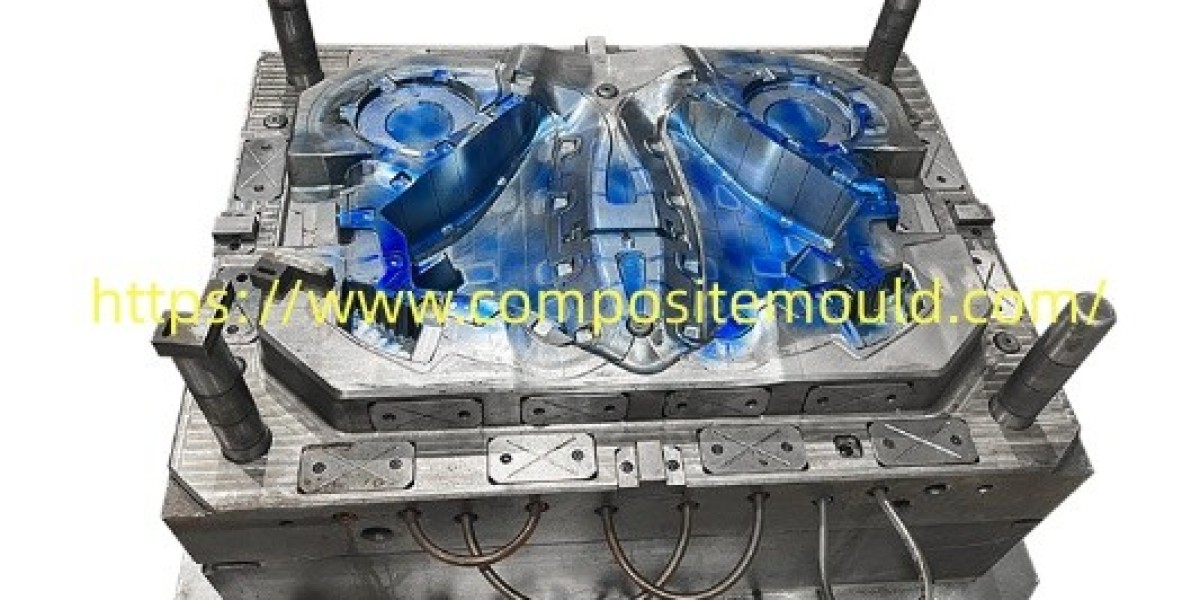

Prepreg Mould selection requires buyers to evaluate curing conditions, tool material properties, component geometry, surface requirements, and production expectations before placing an order. These factors influence how the tool responds to heat and pressure throughout manufacturing. Preparing accurate technical information helps suppliers assess the application, discuss design limitations, and develop a proposal that aligns with the intended production process.
Confirm the Required Curing Temperature
Curing conditions should be established before selecting tooling materials. Buyers should provide the material specification, recommended cure cycle, target temperature, pressure requirements, and any post-curing instructions supplied by the material manufacturer.
The tool must maintain suitable dimensional stability throughout the intended thermal cycle. Its temperature capability should be assessed against the actual processing conditions rather than room-temperature properties alone. Material data such as glass transition temperature and heat distortion temperature can help engineers evaluate suitability.
Buyers should also clarify whether the component will be cured in an oven or an autoclave. Equipment arrangements, heating rates, pressure conditions, and the duration of each cycle may affect the tooling design. Discussing these requirements early helps avoid selecting a tool material that cannot accommodate the intended process.
Evaluate Thermal Expansion and Dimensional Stability
A tool and the finished component may respond differently as temperatures rise and fall. Differences in thermal expansion can influence dimensions, surface alignment, and part release after curing.
Provide the required component dimensions and identify areas where dimensional variation could affect assembly or performance. The supplier can then consider the relationship between the tooling material, component material, geometry, and operating temperature.
For larger parts or components with demanding dimensional requirements, thermal behavior deserves particular attention. Tool support, construction methods, and dimensional compensation may need to be considered during engineering review.
Ask how the manufacturer plans to check dimensions and assess the tool after exposure to the intended processing conditions. A defined inspection method gives buyers a clearer basis for evaluating whether the proposed design matches their requirements.
Examine Surface Finish and Vacuum Sealing
The working surface of a tool can influence the appearance of the finished part. Scratches, surface irregularities, contamination, and inadequate preparation may transfer marks or affect the release process.
Before ordering, specify the required finish, visible surface areas, texture, and any appearance criteria. If a reference sample is available, provide it to help the supplier understand the expected result. Discuss how the surface will be machined, prepared, inspected, and maintained.
For vacuum-assisted processes, sealing arrangements also require attention. Joints, interfaces, ports, and connection points should be reviewed for potential leakage. Buyers should ask whether vacuum integrity will be checked before production trials and how any detected leakage will be addressed.
These discussions help establish practical inspection requirements before the tooling reaches the production stage.
Review Tool Construction and Heating Behavior
Tool construction should reflect the component size, geometry, processing conditions, and expected number of production cycles. Buyers should provide details about the component envelope, mounting arrangements, access restrictions, and available manufacturing equipment.
Heating behavior is another consideration. Differences in thermal mass and heat transfer can influence how quickly the tool reaches the target temperature and how evenly heat is distributed. Large or thick tooling structures may require additional attention to heating arrangements and support design.
Ask the supplier to explain the proposed construction, material selection, support structure, and maintenance access. If the tool will operate repeatedly under controlled temperature conditions, clarify how dimensional changes and surface condition will be monitored over time.
A clear technical discussion helps buyers assess whether the design is suitable for the planned manufacturing environment.
Plan Trial Runs and Sample Acceptance
A tooling project should include a defined process for evaluating trial parts. Before production begins, agree on the dimensions, surface conditions, and functional characteristics that will determine sample acceptance.
Trial results can help identify concerns such as surface marks, trapped air, dimensional variation, incomplete consolidation, or difficulties during part release. The appropriate checks depend on the component design and the processing method.
Buyers should ask which inspection records will be supplied and how corrections will be managed. Define who reviews the samples, how feedback will be documented, and who authorizes design changes.
If revisions are necessary, ensure that updated drawings and approval records remain consistent. This provides a clear reference for subsequent trials and helps the project team track changes throughout tooling development.
Compare Supplier Proposals and Project Support
A quotation should explain the work included in the proposed price. Review whether it covers design evaluation, tooling materials, machining, assembly, trial production, surface preparation, inspection, modifications, and delivery.
Compare the stated scope rather than price alone. Differences in material specifications, testing arrangements, documentation, and maintenance support can affect the overall project plan.
The schedule should identify key stages such as drawing approval, tool construction, initial trials, corrective work, and final acceptance. Ask which milestones depend on customer approval or the availability of technical information.For manufacturers planning a new tooling project, compositemould provides a starting point for reviewing product information and discussing application requirements. Prepare your component drawings, cure cycle, surface specifications, equipment details, and estimated production volume before making an enquiry. Visit https://www.compositemould.com/product/ to review available product options and discuss a tooling proposal that reflects your manufacturing requirements.