
Facial aging can lead to changes in skin firmness, facial volume, and the definition of features such as the cheeks and jawline. While some people consider surgery to address significant skin laxity, others prefer treatments that involve injections or non-invasive technologies. For individuals researching 8point facelift cost in riyadh, understanding the differences between surgical and non-surgical facelifts can help clarify which approach may be appropriate for their needs.
A surgical facelift involves repositioning facial tissues and removing selected excess skin to address more pronounced signs of aging. A non-surgical facelift, by contrast, refers to treatments such as dermal fillers and certain skin-tightening procedures that aim to improve selected facial concerns without traditional surgery. Each approach has different benefits, limitations, recovery requirements, and risks.
What Is a Surgical Facelift?
How Surgical Facelifts Work
A surgical facelift is a procedure performed by a qualified surgeon to address changes such as sagging skin, jowls, and deeper folds around the lower face. Depending on the technique, the surgeon may reposition underlying tissues, remove excess skin, and refine the contours of the face and neck.
Surgical procedures are generally considered when skin laxity and tissue descent are more significant. The precise technique depends on facial anatomy, health history, and the patient's goals. A surgical facelift requires careful planning, anesthesia, and a structured recovery period.
Benefits and Considerations
A surgical facelift may provide more substantial and longer-lasting improvement in facial sagging than injectable treatments. However, it involves surgical risks, incisions, possible scarring, and a longer recovery period. Potential complications can include bleeding, infection, unfavorable scarring, and anesthesia-related risks.
A consultation with an appropriately qualified surgeon is essential to determine suitability and understand the expected outcome.
What Is a Non-Surgical Facelift?
Understanding Injectable Treatments
Non-surgical facelift treatments use approaches such as dermal fillers to improve selected facial contours or restore lost volume. Juvederm is a family of hyaluronic acid-based fillers that may help enhance areas such as the cheeks, soften certain facial folds, or refine the chin and jawline when appropriate.
These treatments do not involve traditional surgical incisions and generally have less downtime than surgery. However, they cannot remove excess skin or reposition facial tissues to the same extent as a surgical facelift.
Other Non-Surgical Options
Certain radiofrequency or ultrasound-based procedures aim to improve skin firmness, while skin-rejuvenation treatments may address texture or fine lines. These options work differently and are not interchangeable. A practitioner should identify the main concern before recommending a specific treatment.
The 8 Point Facelift Approach
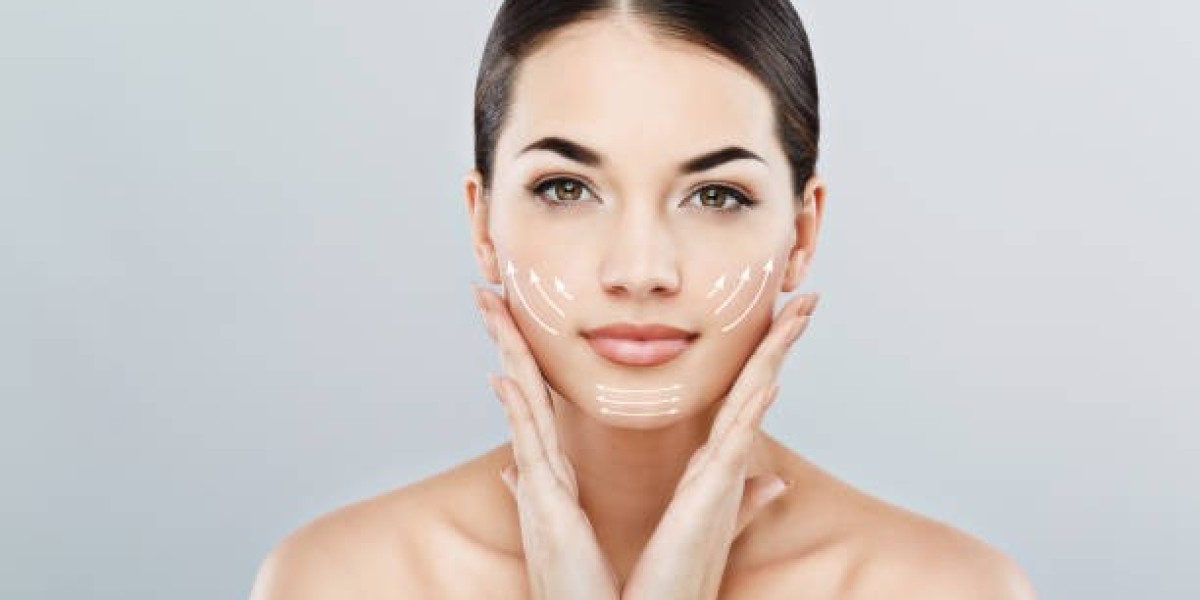
The 8 Point Facelift is an injectable technique that uses selected points across the face to address volume loss and improve contour. The practitioner assesses areas such as the cheeks, midface, and lower face to determine where filler may be helpful. The exact injection locations and amount vary according to facial anatomy, and not every patient needs treatment at all eight points.
For patients exploring 8 Point Facelift with Juvederm in Riyadh, the technique may offer a non-surgical option for improving selected facial contours while maintaining natural features. Juvederm fillers contain hyaluronic acid, which helps retain moisture and adds volume when appropriately injected. Product selection and treatment planning should be based on the patient's needs and the practitioner's assessment.
It is important to understand that this technique is not equivalent to surgical lifting. It may help address volume loss and certain contour concerns, but it cannot correct substantial skin laxity or guarantee a lifted appearance.
Key Differences Between Surgical and Non-Surgical Facelifts
Treatment Method
Surgical facelifts involve incisions and the repositioning of facial tissues. Non-surgical approaches use injections or energy-based technologies without traditional facelift surgery.
Recovery Time
Surgical recovery generally takes longer and may involve swelling, bruising, activity restrictions, and follow-up appointments. Injectable treatments often involve less downtime, although temporary swelling, tenderness, and bruising are common. Recovery varies by individual and procedure.
Results and Longevity
Surgery can provide more substantial improvement in significant sagging, with results that may last for years as natural aging continues. Dermal fillers offer temporary changes, and their duration varies according to the product, treatment area, and individual response. Neither approach stops the aging process.
Risks
Surgery carries risks associated with incisions, anesthesia, healing, and tissue manipulation. Fillers have their own risks, including infection, lumps, asymmetry, and rare but serious vascular complications. The risk profile depends on the treatment and the patient's health.
Who May Be Suitable for Each Approach?
A surgical facelift may be more appropriate for people with pronounced sagging skin, jowls, or tissue descent who are medically suitable for surgery. Non-surgical treatments may be considered by adults with selected areas of volume loss, mild contour concerns, or a preference to avoid surgery.
A professional assessment is important because the visible concern does not always reveal its underlying cause. For example, a less-defined jawline may relate to skin laxity, excess fat, bone structure, or changes in facial volume. Each cause may require a different treatment.
Safety Considerations Before Treatment
Before any facial rejuvenation procedure, discuss medical history, allergies, medications, previous treatments, expected results, and possible complications with a qualified professional. For fillers, choose a practitioner experienced in facial anatomy and managing complications.
A rare but serious filler complication occurs when the product blocks a blood vessel, potentially causing tissue damage and, in exceptional cases, vision loss. Severe or unusual pain, pale or dusky skin, or any visual disturbance after filler treatment requires immediate medical attention. Elective filler treatments are generally deferred during pregnancy or breastfeeding because adequate safety data are limited.
Book an Appointment at Royal Clinic Saudia
Selecting a facial rejuvenation treatment starts with understanding your concerns, expectations, and medical suitability. At Royal Clinic Saudia, patients can discuss surgical and non-surgical options with a qualified professional and learn about the potential benefits, limitations, and recovery associated with each approach. If you are considering 8 Point Facelift with Juvederm in Riyadh, a personalized consultation can help determine whether injectable treatment is appropriate for your facial features and goals. The priority should be informed decision-making, safe treatment planning, and realistic expectations.