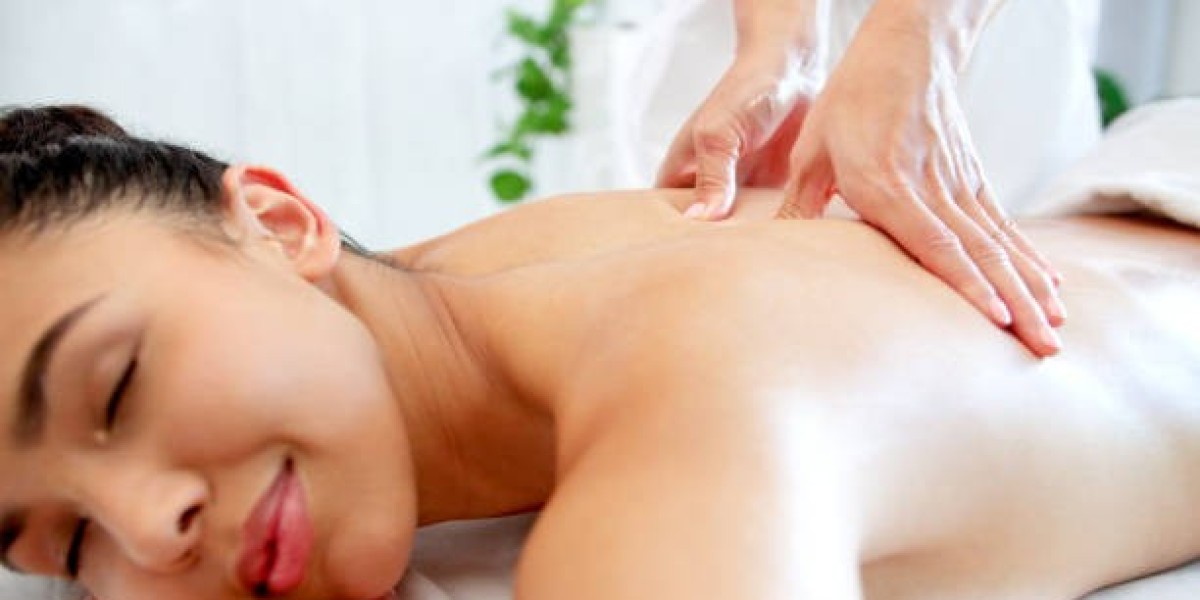

Physical recovery can involve temporary discomfort, limited movement, and swelling, depending on the cause and type of injury, illness, or medical procedure. During this period, people may explore different approaches to support comfort while following their healthcare professional's advice. Lymphatic massage (مساج لمفاوي) in Riyadh is a specialized technique that uses gentle, rhythmic movements to encourage lymph fluid movement through functioning lymphatic pathways. When medically appropriate, it may help manage certain types of swelling as part of a broader recovery plan. Understanding its role and limitations can help individuals make informed decisions about their care.
How the Lymphatic System Supports Recovery
The lymphatic system helps maintain fluid balance by collecting excess fluid from tissues and transporting it through lymph vessels and lymph nodes. It also contributes to immune function by helping the body recognize and respond to harmful microorganisms and other foreign substances. Following certain injuries, surgeries, or medical treatments, fluid may accumulate in tissues and contribute to swelling.
Swelling is a normal part of many healing processes, but its cause and severity vary. Some swelling may improve with time and appropriate movement, while persistent fluid buildup may require specific treatment. In certain cases, lymphatic drainage may be recommended by a healthcare professional to help manage swelling. It is important to remember that lymphatic massage does not directly repair injured tissue, speed up every stage of healing, or replace prescribed rehabilitation.
How Lymphatic Massage May Help Manage Swelling
Manual lymphatic drainage uses slow, gentle movements applied to the skin to encourage lymph fluid movement toward functioning drainage pathways. For people with selected conditions, such as lymphoedema or certain forms of postoperative swelling, this technique may help manage fluid accumulation when recommended by an appropriately trained professional.
Lymphatic massage in Riyadh may be worth discussing with a healthcare provider if swelling is affecting comfort during recovery. The treatment needs to be tailored to the person's condition, the area involved, and any medical restrictions. Not all swelling is caused by impaired lymphatic drainage, and massage may be unsuitable during particular stages of recovery. A proper assessment helps establish whether it is appropriate and whether other treatments are needed.
Potential Benefits for Comfort and Mobility
When used for an appropriate indication, lymphatic massage may help reduce some types of swelling and ease sensations of tightness or heaviness. For selected patients, improved swelling management may make it more comfortable to move the affected area or carry out daily activities. It may also be included in a comprehensive care plan for diagnosed lymphatic conditions.
However, outcomes differ according to the underlying cause, the severity of swelling, and the person's overall health. Lymphatic massage should not be promoted as a guaranteed way to accelerate healing or prevent complications. Depending on the situation, a recovery plan may also involve prescribed medication, physical therapy, suitable movement, wound care, compression garments, or follow-up appointments. These measures should be guided by the treating healthcare professional.
When Lymphatic Massage May Be Considered
Lymphatic massage may be considered when a healthcare professional identifies swelling that could benefit from lymphatic drainage. It is sometimes used in the management of lymphoedema and may be incorporated into selected postoperative care plans when the treating team approves it. The timing of treatment is particularly important after surgery or an injury because the tissues may still be healing.
People recovering from cosmetic procedures, orthopedic surgery, or other medical treatments should follow their clinician's instructions before arranging massage. Some procedures require specific restrictions on pressure, movement, and contact with the treated area. If swelling is unexpected, worsening, or accompanied by new symptoms, medical assessment should come before massage.
What to Expect During a Professional Session
A suitable session begins with a review of the person's symptoms, medical history, recent procedures, medications, and recovery instructions. The practitioner may assess the area of concern and explain the technique before starting. Manual lymphatic drainage generally uses light, rhythmic movements rather than deep pressure or forceful manipulation.
The treatment area, duration, and frequency depend on individual needs and professional recommendations. Some people may require a structured programme, while others may not benefit from lymphatic massage at all. During recovery, communication between the practitioner and the treating healthcare team is especially important so that massage does not interfere with wound healing or other prescribed care.
Safety Considerations During Physical Recovery
Lymphatic massage is not suitable for every recovery situation. New or unexplained swelling, particularly in one arm or leg, needs medical assessment before massage. Swelling accompanied by increasing pain, redness, warmth, fever, or wound changes may indicate a complication that requires prompt attention. Sudden chest pain or difficulty breathing requires emergency medical care.
People with suspected blood clots, active infections, or certain heart and kidney conditions should obtain medical advice before considering treatment. Do not massage a surgical site or injured area unless the treating clinician confirms that it is safe. A qualified practitioner and an individualized plan can help ensure that any treatment is appropriate for the stage of recovery.
Booking an Appointment at Royal Clinic Saudi
If you are considering lymphatic massage in Riyadh to support comfort during physical recovery, Royal Clinic Saudi (عيادات رويال كلينك) can be a starting point for discussing your concerns and asking about suitable services. Explain the type of recovery you are undergoing, when the swelling began, and any instructions provided by your healthcare team. A personalized assessment can help determine whether lymphatic massage is appropriate or whether further medical evaluation is needed first.
FAQs:
1. Can lymphatic massage help reduce swelling during recovery?
It may help manage certain types of swelling when medically appropriate, but it is not suitable for every injury, procedure, or recovery stage.
2. When can I start lymphatic massage after surgery?
The timing depends on the procedure and your recovery. Obtain approval from your treating clinician before starting massage.
3. Does lymphatic massage speed up the healing process?
It may help manage swelling in selected cases, but it does not directly repair tissue or guarantee faster healing.
4. Should I receive lymphatic massage if swelling suddenly increases?
No. Sudden or worsening swelling should be medically assessed before massage, particularly if accompanied by pain, redness, warmth, or other new symptoms.







