
The UAE’s hot climate, expanding urban infrastructure, rising purchasing power, and growing tourism activity are creating sustained demand for advanced air conditioning systems. Cooling has become an essential component across residential buildings, commercial towers, hotels, healthcare facilities, shopping malls, transportation infrastructure, and industrial sites. At the same time, the country’s sustainability agenda is encouraging consumers and businesses to move beyond conventional cooling toward smarter and more energy-efficient technologies.
The UAE Air Conditioner Market was valued By Markntel Advisor at USD 190.11 million in 2024 and is projected to reach USD 282.12 million by 2030, expanding at a CAGR of 6.8% during 2025–2030. The UAE air conditioner industry report identifies improving economic conditions, changing living standards, infrastructure development, tourism, and rising demand for energy-efficient HVAC systems as key factors supporting expansion. Dubai remains the leading regional contributor, while the commercial segment holds the largest end-user share.
Construction Activity Strengthens Cooling Demand
The UAE’s ongoing construction pipeline is one of the most important foundations for air-conditioner demand. New residential complexes, corporate spaces, hotels, resorts, shopping malls, healthcare facilities, and other infrastructure projects require dependable cooling systems designed for the region’s demanding climate.
Government efforts to diversify the economy beyond oil are also encouraging investments across tourism, commercial infrastructure, hospitality, and urban development. As new buildings become increasingly sophisticated, cooling solutions are evolving from basic temperature-control equipment into integrated systems that support indoor comfort, energy management, and building performance.
Dubai Leads the Regional Landscape
Dubai holds a leading position within the UAE because of its dense commercial infrastructure, high-rise developments, hospitality ecosystem, and continued urban expansion. Areas such as Downtown Dubai and Business Bay are seeing the development of high-efficiency towers and sophisticated commercial spaces that require advanced cooling configurations.
The city’s role as an international tourism and business destination further supports demand. Hotels, resorts, retail destinations, offices, and entertainment facilities require cooling throughout much of the year, creating opportunities for both new installations and replacement systems.
Smart HVAC Solutions Gain Momentum
Energy efficiency is becoming a major consideration in purchasing decisions. The UAE’s policy focus on reducing energy consumption and emissions is encouraging manufacturers to introduce inverter-based systems, programmable controls, IoT connectivity, and AI-enabled diagnostics.
The UAE Energy Strategy 2050 targets substantial improvements in energy efficiency and supports the transition toward a more sustainable energy system. This policy direction is relevant to HVAC because air conditioning represents a significant source of electricity consumption in the region.
Smart systems can help users monitor consumption, automate operating schedules, and adjust cooling according to environmental conditions. For commercial buildings, predictive maintenance can additionally identify potential equipment problems before they result in major failures.
Retrofit Demand Creates a New Growth Avenue
While new construction continues to generate equipment demand, upgrading existing buildings represents another important opportunity. Government facilities, schools, hotels, offices, and other older structures can benefit from replacing legacy HVAC systems with more efficient alternatives.
Retrofitting can reduce energy consumption while improving indoor comfort and system reliability. It can also allow building owners to incorporate smart controls and monitoring capabilities without completely replacing existing building infrastructure.
The UAE’s sustainability objectives are therefore creating opportunities not only for air-conditioner manufacturers but also for HVAC contractors, energy-service companies, maintenance providers, and technology firms specializing in building optimization.
Commercial Buildings Remain a Major Demand Center
Commercial buildings represent the largest end-user segment, reflecting the UAE’s extensive office, retail, hospitality, and mixed-use infrastructure. Modern commercial spaces increasingly require flexible cooling solutions that can accommodate different occupancy levels and operating schedules.
VRF systems are particularly relevant for such applications because they can provide zoned cooling and allow individual areas to be controlled according to demand. AI-based predictive maintenance is also gaining relevance as facility managers increasingly focus on lifetime operating performance rather than only the initial equipment price.
Localized Innovation Supports Product Development
The UAE is also becoming an important location for localized HVAC research, technical training, and product adaptation. Gulf-specific climate conditions require systems capable of operating reliably under extreme heat and demanding environmental conditions.
Daikin MEA’s innovation-center activities in Dubai, for example, reflect the industry's movement toward developing technologies suited to regional building practices and climatic requirements. At the same time, technical training and workforce-development initiatives can strengthen local maintenance capabilities and reduce dependence on imported technical expertise.
This localization trend can help manufacturers respond more quickly to regional requirements while improving after-sales service.
High Initial Costs Remain a Barrier
Despite the long-term benefits of efficient systems, high upfront costs can limit adoption. Smart and inverter-based air conditioners generally require greater initial investment than conventional alternatives, creating challenges for price-sensitive residential consumers and smaller commercial businesses.
The challenge is particularly important when customers focus primarily on purchase price rather than total ownership cost. Manufacturers and service providers can address this barrier through financing models, energy-performance contracts, retrofit packages, and solutions that demonstrate long-term electricity savings.
Product Innovation Continues
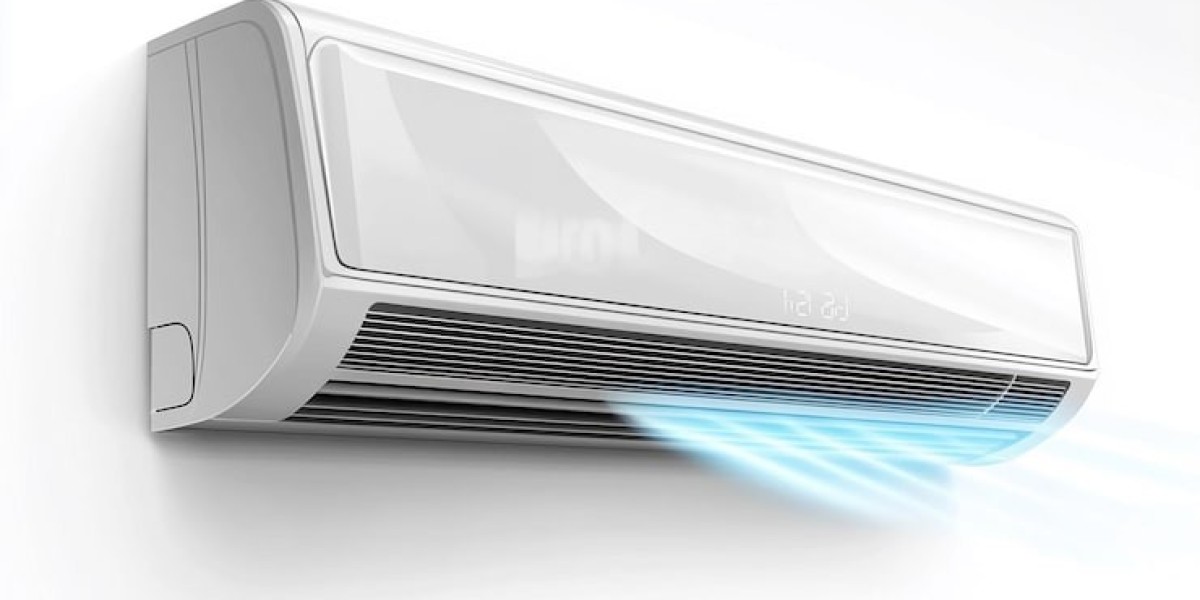
Product development is increasingly focused on combining powerful cooling with intelligent energy management. In 2024, Midea introduced its IcyBlast split air conditioner for Middle Eastern conditions, incorporating enhanced cooling performance, optimized air distribution, and AI-driven energy-management capabilities.
Such developments demonstrate how manufacturers are adapting products to regional requirements while adding connected features that enable users to monitor and manage equipment more effectively.
Outlook Through 2030
The UAE’s air conditioning industry is entering a period shaped by construction growth, commercial development, tourism, sustainability policies, and technological innovation. From USD 190.11 million in 2024, the industry is projected to reach USD 282.12 million by 2030, reflecting continued demand for cooling across the country.
Dubai is expected to remain a major growth center, while Abu Dhabi, Al Ain, Sharjah, and the Northern Emirates provide additional opportunities. Going forward, smart HVAC systems, inverter technology, VRF solutions, retrofit projects, predictive maintenance, and localized product development are likely to become increasingly important as the UAE balances its need for reliable cooling with its broader energy-efficiency and sustainability ambitions.