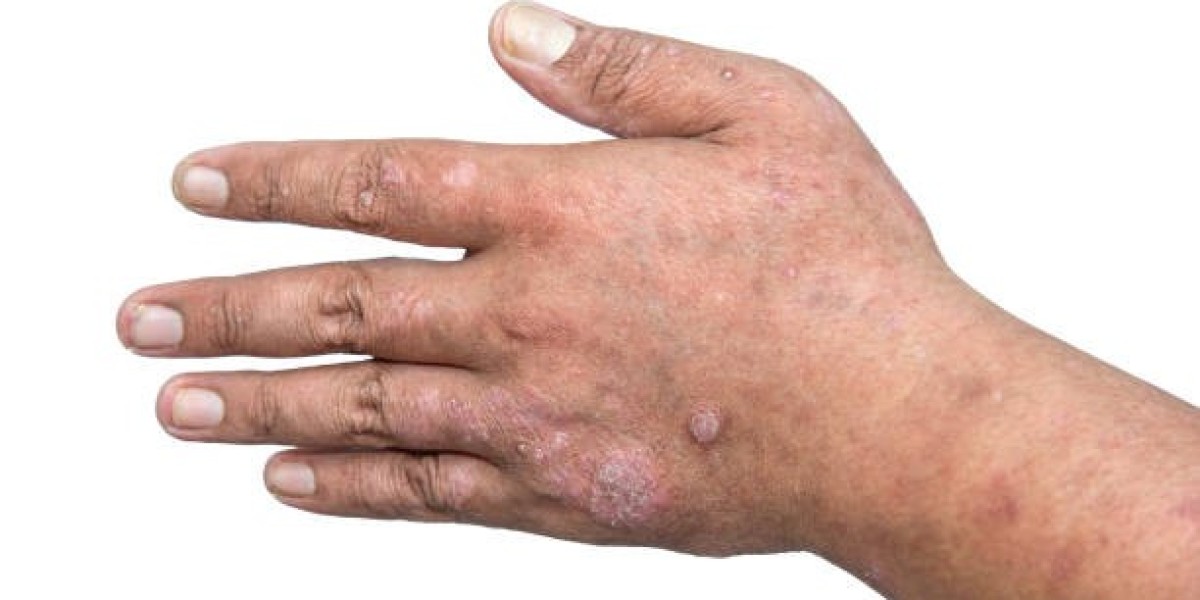

Eczema on the neck and around the eyes can cause dryness, itching, redness, flaking, and irritation in some of the body's most sensitive skin areas. These symptoms may become uncomfortable because the neck is frequently exposed to clothing, sweat, and skincare products, while the skin around the eyes is naturally delicate. Understanding how to protect these areas can help reduce irritation and support skin health. With professional guidance for Eczema treatment in Riyadh (علاج الإكزيما في الرياض), individuals can learn how to manage flare-ups safely and choose skincare products suited to sensitive skin.
Neck and eyelid eczema may be triggered by fragrances, cosmetics, harsh cleansers, environmental changes, sweat, or allergic reactions. Repeated rubbing and scratching can further damage the skin barrier and prolong discomfort. A personalized approach to Eczema treatment in Riyadh can help identify possible triggers, distinguish eczema from other skin conditions, and establish an appropriate treatment plan for these delicate areas.
What Causes Eczema on the Neck and Around the Eyes?
Eczema develops when inflammation affects the skin's protective barrier, making it more vulnerable to moisture loss and irritation. The causes may differ depending on the affected area and the individual's skin sensitivity.
Common Causes of Neck Eczema
The neck can react to fragrances, perfumes, necklaces, hair products, detergents, and fabrics. Sweat and friction from collars or scarves may also aggravate symptoms. In some cases, allergic contact dermatitis develops after repeated exposure to a particular ingredient or material.
Common Causes of Eyelid Eczema
The skin around the eyes is thin and sensitive, making it vulnerable to irritation. Eye makeup, makeup removers, facial creams, sunscreen, nail products transferred by the hands, and haircare products may contribute to eyelid inflammation. Allergic contact dermatitis can sometimes occur even when a product has been used for a long time.
Environmental and Lifestyle Triggers
Cold or dry weather, hot temperatures, sweating, stress, and harsh skincare products may worsen eczema in susceptible individuals. Identifying personal triggers can help reduce repeated flare-ups.
How to Manage Eczema on the Neck Safely
The neck often responds well to gentle skincare and avoiding irritating products. However, persistent inflammation may require professional assessment and medication.
Use a Gentle Cleanser
Wash the neck with lukewarm water and a mild, fragrance-free cleanser. Avoid harsh soaps, scrubbing tools, and products that leave the skin feeling tight or burning. Pat the area dry gently rather than rubbing it.
Apply a Fragrance-Free Moisturizer
Use a moisturizer formulated for sensitive skin to reduce dryness and support the skin barrier. Creams containing ingredients such as ceramides or petrolatum may help retain moisture. Apply after washing and reapply when the skin feels dry.
Avoid Fragrances and Irritating Products
Pause perfumes, fragranced lotions, and nonessential skincare products on affected areas while symptoms are active. If you suspect a necklace, clothing material, or hair product is contributing to irritation, limit exposure and observe whether symptoms improve.
Choose Comfortable Clothing
Wear soft, breathable fabrics and avoid tight collars or rough materials that rub against inflamed skin. After sweating, gently rinse the neck if needed and apply moisturizer once the skin is dry.
How to Manage Eczema Around the Eyes
Eyelid eczema needs extra care because the skin is delicate and close to the eyes. Products and medicines that are suitable for other parts of the body may not be appropriate for this area.
Keep Eyelid Skincare Simple
Temporarily avoid eye makeup, fragranced creams, exfoliants, and other products that may cause irritation. Clean the area gently with lukewarm water or a suitable mild cleanser, following medical advice when symptoms are persistent.
Use a Suitable Moisturizer
A simple, fragrance-free product intended for sensitive skin may help reduce dryness around the eyes. Apply a small amount carefully to the affected external skin, avoiding direct contact with the eyes. If a product causes stinging or swelling, stop using it and seek advice.
Avoid Rubbing and Scratching
Rubbing can worsen inflammation and damage the skin barrier. If itching is uncomfortable, a clean, cool compress placed gently over closed eyelids may provide temporary relief. Do not place ice directly on the skin or press on the eyeballs.
Be Careful With Medicated Creams
A healthcare professional may recommend a mild topical corticosteroid for a short period in selected cases. However, prolonged or inappropriate use near the eyes can cause complications, including increased eye pressure or other eye problems. Do not apply steroid creams around the eyelids without medical guidance.
Nonsteroidal prescription treatments may be suitable for some patients, depending on the diagnosis. A clinician can determine the safest option for the affected area.
How to Prevent Repeated Flare-Ups
A consistent routine can help protect sensitive skin and reduce exposure to common irritants.
Identify Potential Triggers
Keep a simple record of flare-ups and recently used cosmetics, cleansers, hair products, detergents, and accessories. If symptoms repeatedly occur after exposure to a particular product, stop using it and discuss the pattern with a healthcare professional.
Introduce New Products Gradually
Avoid changing several skincare products at once. Choose fragrance-free products designed for sensitive skin, and introduce new items cautiously. Remember that even products marketed as natural can contain ingredients that irritate or trigger allergies.
Maintain Skin Hydration
Apply moisturizer regularly, especially after washing. Avoid excessively hot showers and use gentle products to help prevent further dryness.
Consider Allergy Assessment
If eczema repeatedly affects the eyelids or neck, a clinician may consider allergic contact dermatitis and recommend patch testing when appropriate. This can help identify specific allergens so they can be avoided.
When Should You See a Dermatologist?
Seek professional advice if symptoms persist, repeatedly return, spread, or do not improve with gentle skincare. A dermatologist can assess whether the condition is atopic eczema, allergic contact dermatitis, irritant dermatitis, or another skin problem requiring different treatment.
Prompt medical assessment is important if the skin becomes increasingly painful, develops oozing or yellow crusting, or shows signs of infection. Seek urgent care for eye pain, vision changes, significant swelling around the eyes, or rapidly worsening symptoms.
Professional Eczema treatment in Riyadh can help patients understand their symptoms, identify possible triggers, and select suitable treatments for sensitive areas such as the neck and eyelids.
Book an Eczema Consultation at Royal Clinic Saudia
If eczema on your neck or around your eyes is causing ongoing discomfort, Royal Clinic Saudia (عيادات رويال كلينك) can help you explore suitable skincare and treatment options. Book an appointment to discuss your symptoms, review potential triggers, and learn how to manage sensitive skin with appropriate professional guidance.
FAQs:
What is the safest way to treat eczema around the eyes?
Use gentle skincare and a suitable fragrance-free moisturizer, and avoid rubbing or scratching. Because eyelid skin is delicate, consult a healthcare professional before applying medicated creams near the eyes.
Can makeup cause eczema on the eyelids?
Yes. Makeup, removers, fragrances, and other cosmetic ingredients may cause irritation or allergic contact dermatitis. Temporarily stopping suspected products and seeking medical advice if symptoms continue can help identify the cause.
How can I prevent eczema from returning on my neck?
Avoid known irritants, choose fragrance-free skincare, wear soft clothing, moisturize regularly, and reduce friction from collars or accessories. If flare-ups keep returning, a dermatologist can help identify the underlying trigger.
When should I seek medical attention for eyelid eczema?
Seek medical advice if symptoms persist, worsen, or repeatedly return. Eye pain, vision changes, substantial swelling, or rapidly worsening redness require urgent assessment because they may indicate a problem beyond ordinary eczema.