
Valves are essential components in industrial systems, but their suitability depends on much more than their ability to stop or release flow. Buyers comparing an American Standard Valves Manufacturer need to consider how each product fits the operating environment, connects with surrounding equipment, and supports the maintenance practices of the facility. Standardized design can simplify project coordination, yet the material, internal structure, and intended valve function must still match the actual application. A careful evaluation helps purchasing teams avoid treating all valves within the same broad category as interchangeable.
Material selection is closely connected to the fluid and the conditions around the installation. Stainless steel is often considered where corrosion resistance and surface cleanliness are priorities, while carbon steel may suit compatible industrial services requiring a robust metal construction. Other materials may be appropriate for particular utility systems or equipment arrangements. The decision should account for chemical exposure, moisture, cleaning methods, possible contamination, and the expected maintenance environment. Internal parts deserve equal attention: the stem, closure element, seats, and seals each have their own material requirements. A valve body made from a suitable alloy cannot compensate for internal components that are incompatible with the process medium.
Manufacturing quality influences how reliably the components work together. Forming processes establish the basic shape of the body, while machining creates connection surfaces and internal features that must align with other parts. Surface finishing can affect contact between moving components and sealing elements. During assembly, correct positioning of the stem, closure mechanism, and seals supports consistent operation. Quality management may include material verification, visual examination, dimensional inspection, and functional or sealing checks. Buyers should ask how the manufacturer verifies product conformity and what documentation can be supplied with an order. Clear answers help procurement teams compare manufacturing practices rather than relying solely on product photographs or general claims.
A practical selection process begins with the system's functional needs. Some applications require reliable isolation during maintenance, while others need flow regulation or protection against reverse flow. Ball valves, gate valves, globe valves, and check valves operate differently, so the product type should be chosen according to its intended role. Buyers must also check how the valve interfaces with the existing pipeline, including the applicable connection standard and installation arrangement. A product described as American Standard should be verified against the specific project documentation; the label alone does not confirm that every design detail is interchangeable with installed equipment.
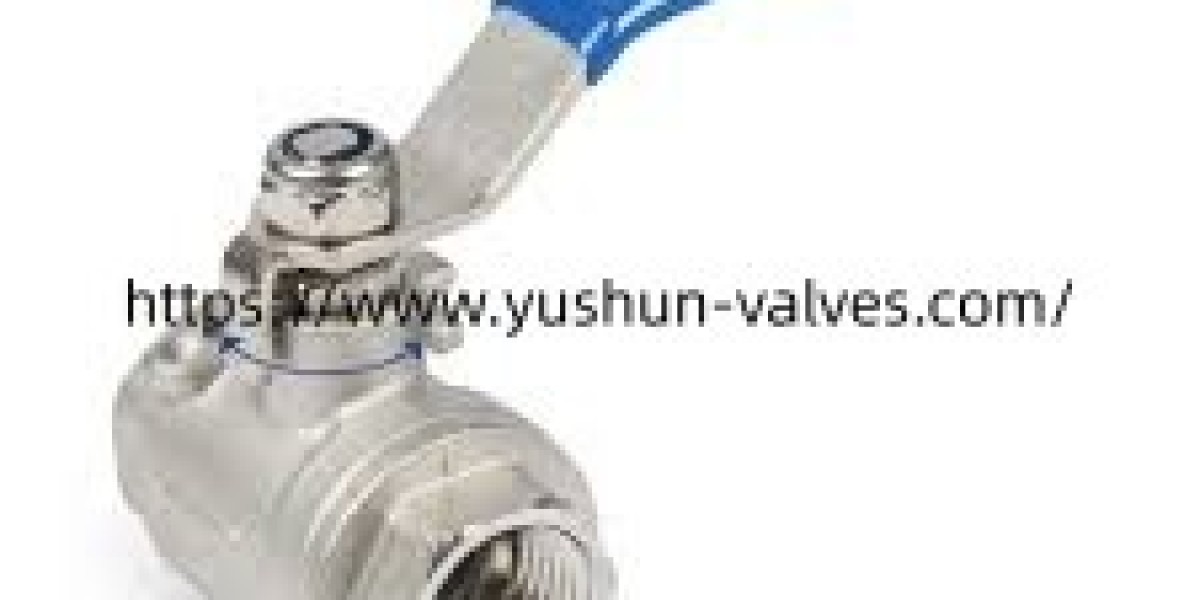
Technology affects both operation and integration. In a ball valve, the closure element rotates to align or block a passage, making the operating principle easy to understand. Other valve designs use different movement patterns to provide isolation, regulation, or automatic flow direction control. For facilities with centralized process management, manual operation may not be sufficient. An electric or pneumatic actuator can support remote operation when the valve design is compatible with the control arrangement. Buyers should also consider position indication, control-system interfaces, and access for inspection. These details help ensure that the selected valve works as part of the complete process rather than as an isolated component.
The user experience in an industrial environment is shaped by practical details that affect operators and maintenance personnel. A handle or actuator should be accessible without requiring awkward movement around nearby equipment. Clear position indication helps authorized staff recognize the valve's operating state, while accessible stem and connection areas make inspection more manageable. In busy facilities, consistent product identification and understandable maintenance documentation can reduce confusion when multiple valve types are installed close together. Procurement teams should therefore include operation and servicing needs in their evaluation instead of focusing exclusively on initial purchase requirements.
Physical design influences how easily a valve fits into equipment layouts. Body shape, connection orientation, operating clearance, and the placement of accessories all affect installation planning. A compact form may be useful in a crowded assembly, but sufficient space must remain for inspection, actuation, and future replacement. Surface finish and clear markings can contribute to an orderly appearance and support identification during maintenance. For equipment manufacturers, these considerations are especially relevant because valve placement may affect access panels, pipe routing, and the overall layout of a finished machine. Visual consistency is useful, but it should remain secondary to material compatibility, function, and connection requirements.
Zhejiang Yushun Valve Co., Ltd. supplies industrial valve products for fluid control applications, with a product range that includes ball valves, gate valves, globe valves, check valves, butterfly valves, and safety valves. Buyers can discuss the intended medium, material requirements, applicable standards, connection details, operating method, and inspection documentation with the company when evaluating options for a project. This helps connect product selection with the conditions in which the valve will actually be installed and used. Explore the company's products and related information at https://www.yushun-valves.com/product.