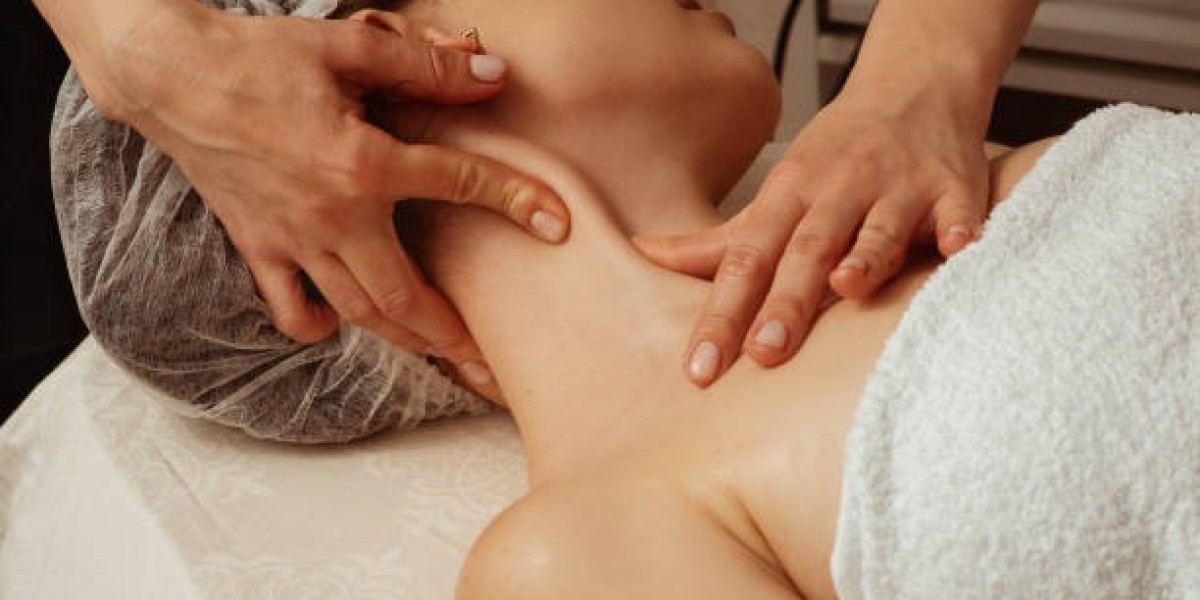

Surgical procedures can sometimes lead to temporary swelling, fluid buildup, and discomfort as the body begins to heal. Depending on the procedure and an individual's medical needs, gentle manual lymphatic drainage may be included in a recovery plan to help manage certain types of swelling. massage in riyadh may be an option for patients whose surgeons or healthcare professionals recommend this technique as part of their postoperative care. However, it is important to understand that massage is not appropriate immediately after every surgery, and its timing should always depend on the procedure, healing progress, and professional medical advice.
What Is Manual Lymphatic Drainage?
Manual lymphatic drainage is a specialized massage technique that uses gentle, controlled movements to encourage the movement of lymph fluid through the lymphatic system. This system helps maintain fluid balance and supports immune function by transporting lymph toward lymph nodes and other drainage pathways.
Unlike traditional massage, lymphatic drainage generally involves light pressure rather than deep kneading or forceful manipulation. The technique is intended to support fluid movement in suitable patients, not to remove toxins, melt fat, or guarantee faster healing. When recommended after surgery, it should be performed by a trained practitioner who understands postoperative precautions and the specific needs of the patient.
Potential Benefits of Lymphatic Massage During Recovery
Helping Manage Postoperative Swelling
Swelling can occur after surgery because tissues have been affected by incisions, inflammation, and the body's natural healing response. In selected cases, professionally performed lymphatic drainage may help manage fluid-related swelling. Lymphatic Massage in Riyadh may be considered when a qualified healthcare professional determines that the technique is suitable for the patient's recovery plan.
The benefits vary according to the type of surgery, the extent of swelling, and the patient's overall health. Massage should not be used to assume that all swelling is harmless or to replace medical evaluation when symptoms are unusual.
Supporting Comfort and Movement
Some patients experience tightness or a feeling of heaviness in swollen areas after an operation. If approved by the treating clinician, gentle lymphatic drainage may help relieve certain fluid-related symptoms and make everyday movement more comfortable. Nevertheless, it does not replace prescribed medication, wound care, appropriate movement, compression garments, or other postoperative instructions.
Complementing a Personalized Recovery Plan
Recovery requirements differ after cosmetic procedures, orthopedic operations, cancer-related surgery, and other treatments. A clinician may recommend lymphatic drainage for specific indications, while another patient may need a different approach. Massage should be considered one possible component of care rather than a standard requirement for every surgical patient.
When Is It Safe to Start Lymphatic Massage After Surgery?
There is no single timeline that applies to every procedure. Some patients may be advised to wait until an initial healing period has passed, while others may receive specific instructions for earlier or later treatment. Factors such as incision healing, bruising, drains, infection risk, medications, and the type of operation all influence when massage may be appropriate.
Before scheduling Lymphatic Massage in Riyadh, patients should obtain approval from their surgeon or treating healthcare professional. Do not massage directly over fresh incisions, open wounds, surgical drains, or areas that have not been cleared for treatment. Following professional guidance helps reduce the risk of disrupting healing tissues or aggravating complications.
What to Expect During a Postoperative Session
Initial Assessment
A responsible practitioner should ask about the procedure, date of surgery, current symptoms, medications, existing health conditions, and instructions from the surgical team. They should also check whether the patient has received medical clearance and whether any warning signs require evaluation before treatment.
Gentle, Procedure-Appropriate Techniques
If treatment is approved, the practitioner uses light, carefully directed movements based on the patient's needs and the affected area. The session should not involve aggressive pressure, forceful manipulation, or unnecessary discomfort. The practitioner should avoid restricted areas and follow any instructions regarding dressings, drains, compression garments, and healing tissues.
Aftercare and Monitoring
Patients should follow the surgeon's instructions after treatment and monitor their symptoms. Mild changes in the feeling of swelling may occur, but worsening pain, increasing redness, unusual warmth, fever, wound drainage, or rapidly increasing swelling should not be dismissed as a normal massage response. Contact the healthcare team promptly if these symptoms develop.
Who Should Avoid Lymphatic Massage or Seek Medical Clearance?
Lymphatic drainage is not suitable for everyone. Medical evaluation is especially important for people with suspected blood clots, acute infections, certain heart conditions, significant kidney disease, or complex medical histories. Patients receiving cancer treatment or recovering from lymph-node surgery should follow guidance from their specialist because recommendations depend on the individual circumstances.
New or unexplained swelling, particularly when it affects one leg or arm, is painful, warm, or red, needs medical assessment before massage. Sudden chest pain or difficulty breathing requires emergency medical care. Massage must never be used to delay assessment of potentially serious symptoms.
Choosing a Qualified Lymphatic Massage Practitioner
Selecting an appropriately trained professional is important during postoperative recovery. Look for a practitioner with relevant training in manual lymphatic drainage and experience working with patients after surgery. They should request information about the procedure, respect medical restrictions, and coordinate with the treating clinician when needed.
Patients considering Lymphatic Massage in Riyadh should ask about the practitioner's qualifications, the techniques used, hygiene practices, and how treatment will be adapted to their recovery stage. Be cautious of promises of guaranteed results, immediate swelling removal, or dramatic body-shaping effects. Safe care focuses on realistic goals and the patient's medical needs.
Tips for Supporting Recovery Between Sessions
Massage alone cannot determine how well a person recovers after surgery. Patients can support their recovery by following the discharge instructions provided by their surgical team, taking prescribed medications as directed, maintaining appropriate hydration and nutrition, and gradually returning to movement when medically permitted. Compression garments should only be used as instructed, and patients should attend scheduled follow-up appointments.
Avoid starting new massage techniques, strenuous exercise, or additional treatments without checking whether they are appropriate for the procedure. If swelling persists or worsens, consult the healthcare professional rather than simply increasing the frequency of massage.
Book a Consultation for Postoperative Recovery Care
Post-surgical recovery should be guided by individual medical needs, realistic expectations, and careful monitoring. If you are considering Lymphatic Massage in Riyadh, consult a qualified healthcare professional to determine whether it is appropriate for your condition and when it can safely begin. Royal Clinic Saudia can help you explore suitable care options and understand the importance of professional guidance. Arrange a consultation to discuss your recovery goals and the next steps recommended for your needs.