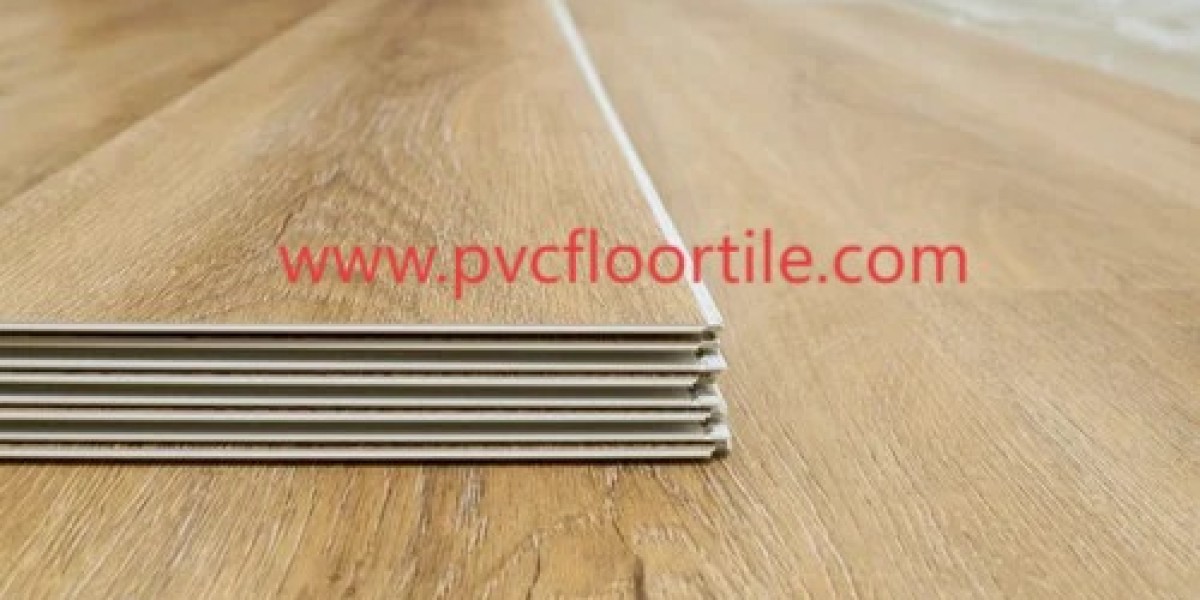

Vinyl Flooring Factory selection requires a structured review of production capabilities, quality procedures, communication practices, and order management. For importers, distributors, contractors, and private-label businesses, checking these areas before placing an order can clarify expectations and reduce purchasing misunderstandings. Instead of relying on promotional materials alone, buyers should request practical information that shows how a manufacturer manages specifications, production activities, and customer requirements.
Confirm the Production Arrangement
Begin by asking how the manufacturing process is organized. Depending on the product configuration, operations may include material preparation, forming, surface treatment, cutting, inspection, and packaging.
A site visit or video meeting can help buyers understand the workflow and identify which activities are completed directly by the supplier. If certain processes are outsourced, clarify which party manages specifications, monitors results, and handles issues that arise.
Buyers should also verify the registered business name, production address, and invoicing entity. These details help establish the relationship between the production site and the company responsible for the export transaction.
Ask how orders are scheduled when several customers require production within the same period. Understanding capacity planning and scheduling procedures helps purchasing teams assess whether the proposed arrangement fits their expected quantities and delivery dates.
Review Quality Control Procedures
Equipment alone does not explain how a manufacturer maintains product consistency. Buyers should ask how technical requirements are communicated to production staff and how inspection results are recorded.
Relevant checks may include dimensions, thickness, surface appearance, edge condition, locking-profile fit, and backing configuration. The inspection plan should reflect the agreed specifications and intended application.
Request an explanation of incoming-material checks, inspections during production, and final product assessment. Ask how items outside the agreed requirements are identified, separated, and reviewed before they can be packed for shipment.
It is also useful to understand how measuring instruments are maintained and verified. Where records are available, review examples related to the model being considered. Documented procedures provide a practical basis for discussing quality expectations with the supplier.
Establish a Sample Approval Process
Before authorizing a production run, agree on how samples will be reviewed and approved. A physical sample can provide a reference for appearance, construction, and other agreed product details.
Record the model number, dimensions, surface finish, relevant wear-layer details, edge profile, and backing materials. Customized orders may also require approved artwork, carton labels, color references, or packaging specifications.
Ask how the approved sample will be linked to the purchase order. A reference code or written specification sheet helps both parties identify the intended configuration throughout the order process.
For purchases involving multiple designs, maintain a separate approval record for each model. This reduces confusion between colors, dimensions, and technical requirements. Any proposed substitution or specification change should be communicated and approved before implementation.
Evaluate Customization and Scheduling
Distributors and private-label buyers may require customized dimensions, surface treatments, packaging designs, or combinations of products. Ask which options are available and whether special requests require additional preparation.
Confirm minimum order quantities for standard and customized products separately. Artwork approval, material availability, and production setup may affect the schedule, so discuss these factors before confirming the order.
Request an estimated timeline covering sample preparation, approval, manufacturing, inspection, and packing. Clarify how schedule changes will be communicated and which factors may affect the planned dispatch date.
A realistic timeline helps buyers coordinate inventory planning, warehouse arrangements, and commitments to their own customers. It also gives both parties a reference for discussing progress and adjusting delivery expectations.
Verify Product and Export Documents
Documentation requirements vary by destination market, product type, and intended application. Buyers should identify the documents required for their project before confirming an order.
Depending on the circumstances, these may include technical data sheets, applicable test reports, installation instructions, maintenance guidance, warranty terms, and product identification records.
Check that any certificates or reports apply to the exact model being purchased. If a project requires specific performance or emissions information, confirm the relevant test method and acceptance criteria before production begins.
Commercial paperwork also deserves attention. Review the quotation, purchase order, packing list, and shipping instructions to ensure that product descriptions, codes, and quantities are consistent across the documents.
Compare the Complete Purchasing Arrangement
A quotation should be evaluated alongside minimum quantities, packaging, payment terms, production schedules, inspection arrangements, and shipping responsibilities. Comparing these factors helps buyers understand the full scope of an order rather than focusing on unit price alone.
Before committing, establish who will answer technical questions, manage sample approvals, provide progress updates, and prepare export documents. Clear responsibilities make communication easier for purchasing, warehouse, and logistics teams.
For repeat purchases, ask how specifications and production batches are recorded. Consistent references help buyers manage several models and communicate requirements for future orders.When preparing an inquiry to pvcfloortile, include the intended application, preferred designs, estimated quantity, destination market, and required documentation. These details help structure a discussion about product options, production arrangements, and delivery expectations. To review available products and contact the manufacturer about your project, visit https://www.pvcfloortile.com/