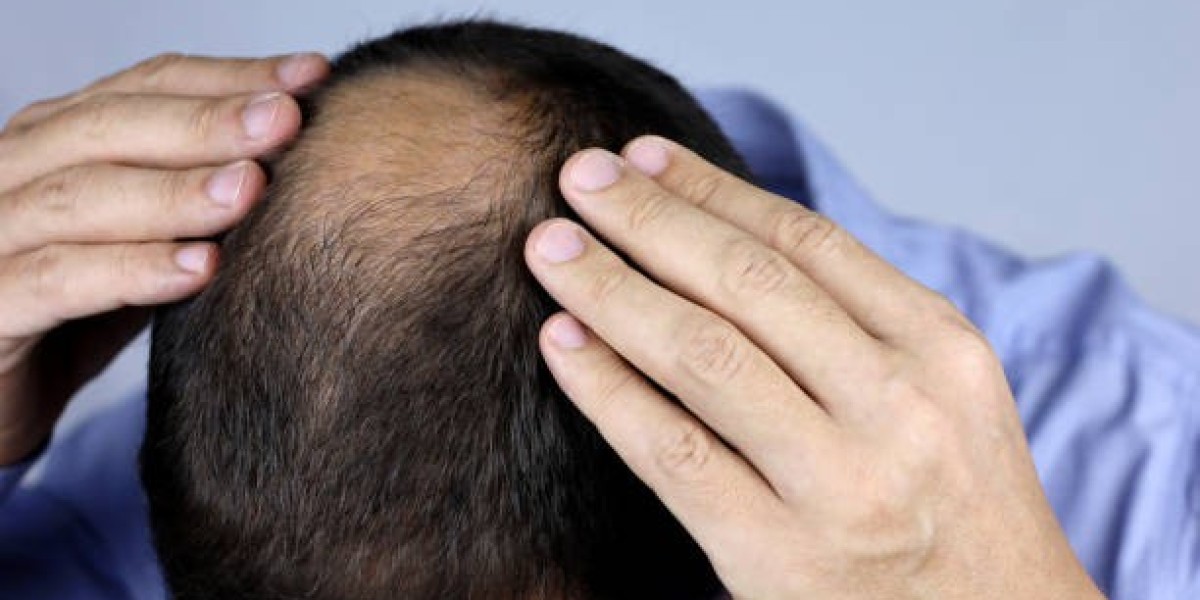

Healthy hair follicles play an important role in maintaining hair growth, thickness, and overall scalp coverage. When follicles become weakened or produce progressively finer strands, hair may appear thinner and less dense. Understanding how to support follicle health can help people make informed decisions about hair restoration. PRP Hair Treatment in Riyadh is a nonsurgical option that uses platelet-rich plasma prepared from the patient's own blood to support hair growth in selected cases. Learning how PRP works, what it may offer, and when professional assessment is necessary can help you understand whether this treatment may suit your needs.
Hair follicle health can be affected by hereditary hair loss, hormonal changes, nutritional deficiencies, stress, certain medications, and scalp conditions. Each follicle follows a natural growth cycle, and disruptions to this cycle may lead to increased shedding or thinner hair strands. PRP Hair Treatment in Riyadh may help support follicle activity in some individuals, particularly those experiencing pattern hair loss. However, results depend on the underlying cause, the condition of the follicles, and individual response, so a proper assessment is important before starting treatment.
What Are Hair Follicles and Why Are They Important?
Hair follicles are small structures within the skin responsible for producing hair. Each follicle contains cells that contribute to hair formation and responds to biological signals that regulate the growth cycle. Healthy follicles can produce strong hair strands, while changes in follicle function may lead to slower growth or finer hair.
The hair growth cycle includes three main stages: anagen, the active growth phase; catagen, the transition phase; and telogen, the resting phase. Hair naturally sheds at the end of its cycle, making room for new growth. When this cycle is disrupted, shedding may increase or hair density may decrease.
What Is PRP Hair Treatment?
Platelet-rich plasma, commonly known as PRP, is prepared using a small sample of the patient's blood. The sample is processed to concentrate platelets in the plasma. Platelets contain growth factors and signaling proteins involved in the body's natural repair and tissue-maintenance processes.
During a PRP procedure, a qualified practitioner injects the prepared plasma into selected areas of the scalp. The treatment is intended to support the local environment around hair follicles. Although PRP is used in some hair restoration plans, research is ongoing, and the degree of benefit varies across patients and treatment protocols.
How Does PRP Support Hair Follicle Health?
PRP is being studied for its potential effects on the biological processes involved in hair growth. Its growth factors may influence cells around the follicles and support processes associated with tissue maintenance. However, the precise mechanisms and clinical benefits are still being investigated.
Supporting Cellular Signaling
Platelets release growth factors that participate in communication between cells. These signals may influence cellular activity around the hair follicles. Researchers are studying whether these processes can help support hair growth in people with certain types of hair loss.
Supporting the Follicle Environment
The tissues surrounding hair follicles contribute to their normal function. PRP may influence the local scalp environment, potentially helping some follicles produce thicker hair strands. The response is not the same for everyone, and PRP cannot guarantee that weakened follicles will recover.
Potentially Improving Hair Density
Some clinical studies have reported improvements in hair density among patients receiving PRP for androgenetic alopecia, also known as pattern hair loss. However, study methods, preparation techniques, and results differ. More research is needed to establish which patients benefit most and which treatment protocols are optimal.
Who May Benefit From PRP Hair Treatment?
PRP may be considered for people with selected forms of early or moderate pattern hair loss when active follicles remain. It may be less useful for conditions involving permanent follicle destruction or untreated scalp disease.
A consultation for PRP Hair Treatment in Riyadh can help determine whether the procedure is appropriate for your hair concerns. A practitioner may examine your scalp, review your medical history, and ask about family history, medications, recent illnesses, and nutritional changes. Further testing may be recommended if a medical condition or deficiency could be contributing to hair loss.
What Happens During a PRP Treatment Session?
A typical session starts with collecting a small blood sample. The sample is processed using specialized equipment to separate the platelet-rich plasma from other blood components. The practitioner then injects the prepared plasma into selected scalp areas according to the treatment plan.
Temporary tenderness, redness, swelling, or discomfort may occur after the injections. The procedure should be performed by a suitably qualified healthcare professional using appropriate preparation and infection-control practices. Before treatment, discuss possible side effects, aftercare, and any medical conditions or medications that may affect your suitability.
How Can You Maintain Healthy Hair Follicles?
PRP is only one possible component of a hair-health plan. A balanced diet with sufficient protein and essential nutrients supports normal hair growth. Avoid restrictive diets, use gentle hair-care practices, and limit hairstyles that repeatedly pull on the roots.
Managing stress and maintaining good sleep habits can also support general well-being. If hair shedding is persistent or unexplained, a healthcare professional may investigate causes such as iron deficiency, thyroid disorders, hormonal changes, or medication effects. Treating the underlying cause may be essential for improving hair health.
When Should You Seek Professional Advice?
Consider a professional assessment if you notice ongoing thinning, a widening part, a receding hairline, or increased scalp visibility. Sudden shedding, distinct bald patches, scalp pain, redness, or scaling may indicate a condition that requires medical evaluation rather than a cosmetic procedure alone.
An accurate diagnosis helps determine whether PRP, medication, lifestyle changes, or another treatment is appropriate. Your practitioner can also explain realistic expectations and monitor progress over time.
Book a Consultation at Royal Clinic Saudia
If you are concerned about hair thinning or follicle health, a professional consultation can help you understand the possible causes and available treatment options. Royal Clinic Saudia can discuss your concerns, explain the potential benefits and limitations of PRP, and help you explore a treatment plan based on your individual needs. Book an appointment to receive guidance on maintaining healthy hair and scalp.
FAQs:
Can PRP improve hair follicle health?
PRP may support hair growth in some people with certain types of hair loss. Its effects vary, and it cannot guarantee follicle recovery or new hair growth.
Does PRP make weak hair follicles stronger?
PRP may help improve hair density in selected patients, but the evidence does not establish that it reliably strengthens every weakened follicle. Results depend on the cause and severity of hair loss.
How many PRP sessions are needed for hair follicle support?
The number of sessions depends on the individual's condition, treatment protocol, and response. A qualified practitioner can recommend an appropriate schedule after examining the scalp.
Can PRP repair permanently damaged hair follicles?
PRP cannot reliably restore follicles that have been permanently destroyed. A professional assessment can help determine the cause of hair loss and identify realistic treatment options.








