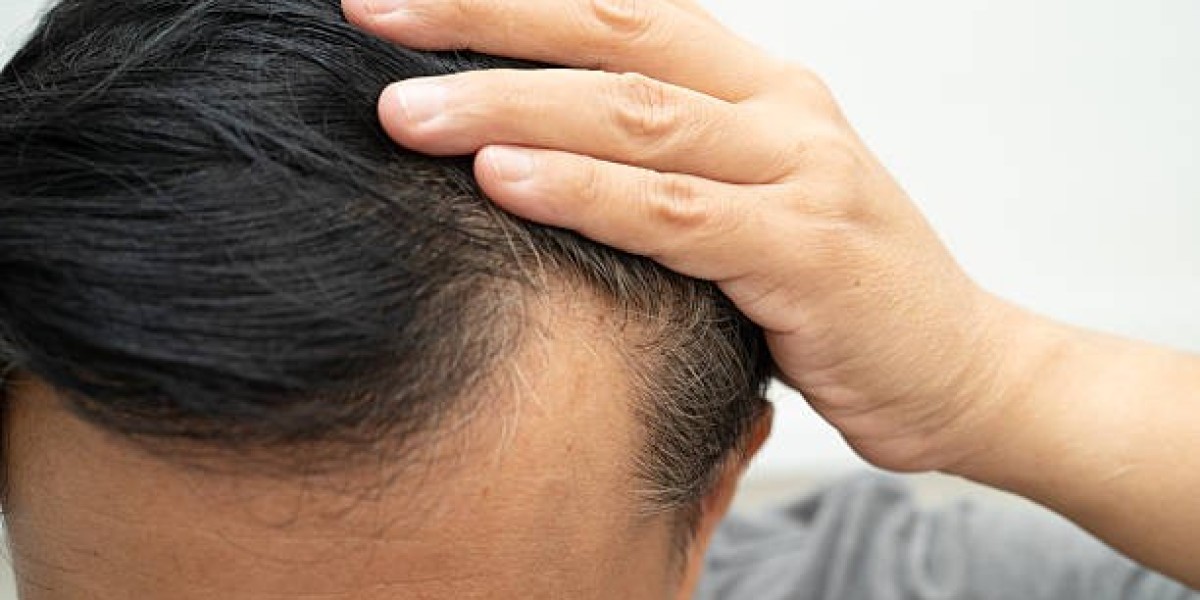

A receding hairline is a common form of hair loss that can affect men and, in some cases, women. It often develops gradually, with hair becoming thinner around the temples or the front of the scalp. Although a changing hairline can be a normal part of aging, it may also indicate hereditary hair loss or another condition that needs attention. Understanding the cause is essential when considering hair loss treatment, as different types of hair loss respond to different approaches. Early assessment can help individuals understand their options, preserve existing hair where possible, and establish realistic expectations for future growth.
What Is a Receding Hairline?
A receding hairline occurs when hair density decreases along the front of the scalp, often beginning around the temples. In men, this change may create an M-shaped hairline as the corners gradually move backward. The process can occur slowly over several years, although the rate varies between individuals.
A naturally mature hairline does not always indicate a medical problem. However, progressive recession, finer hair around the temples, or thinning at the crown may suggest androgenetic alopecia, also known as hereditary pattern hair loss.
Women may also experience thinning near the front of the scalp, although female-pattern hair loss more commonly causes a widening part and reduced density across the top. Identifying the pattern helps determine whether further evaluation is needed.
Common Causes of a Receding Hairline
Hereditary Hair Loss
Androgenetic alopecia is one of the most common causes of a receding hairline. Genetics and the sensitivity of certain follicles to androgens contribute to gradual follicle miniaturization. Over time, affected follicles produce finer, shorter hairs, and the hairline may become increasingly sparse.
Because hereditary hair loss can progress over time, recognizing early changes may help individuals explore treatments intended to slow further thinning.
Hormonal and Medical Factors
Hormonal changes and certain medical conditions can influence the hair growth cycle. Thyroid disorders, nutritional deficiencies, and some autoimmune or inflammatory conditions may cause hair loss, although they do not always produce the typical pattern of temple recession.
Sudden shedding, patchy hair loss, scalp discomfort, redness, or scaling may point toward a different cause and should be assessed by a healthcare professional rather than assumed to be hereditary.
Traction and Hair Damage
Hairstyles that repeatedly pull tightly on the hairline, including tight braids, ponytails, and extensions, can cause traction alopecia. Frequent tension may damage follicles, and prolonged traction can lead to permanent hair loss. Excessive heat and chemical processing may also cause breakage, making the hairline appear thinner.
Reducing tension and adopting gentler styling habits can help prevent further damage, particularly when changes are identified early.
When Should You Consider Treatment?
Consider professional advice if the temples are becoming increasingly sparse, the hairline is moving backward, or hair density is decreasing over time. Early evaluation may be particularly helpful when hereditary hair loss is suspected because some treatments are designed to slow progression and support regrowth in suitable patients.
A clinician may examine the scalp, review your medical and family history, and ask about medications, diet, recent illness, and other symptoms. Blood tests or additional investigations may be recommended when an underlying medical or nutritional cause is suspected.
Sudden hair loss, smooth bald patches, or scalp pain and inflammation warrant prompt assessment because these symptoms may require a different treatment approach.
Medical Treatments for a Receding Hairline
Minoxidil
Minoxidil is a commonly used treatment for certain types of hereditary hair loss. Applied to the scalp according to product instructions and professional guidance, it may help slow thinning and support regrowth in suitable patients.
Results generally take several months to become noticeable, and continued use is usually required to maintain improvements. Some people experience scalp irritation, dryness, or temporary increased shedding after beginning treatment. The degree of response varies, and regrowth around a long-established hairline may be limited.
Prescription Medication
Finasteride may be prescribed to eligible men with male-pattern hair loss. It works by reducing the conversion of testosterone into dihydrotestosterone (DHT), a hormone involved in hereditary follicle miniaturization. It may help slow progression and support hair retention in appropriate patients.
Finasteride can cause side effects and is not suitable for everyone. Other prescription treatments may be considered in selected cases depending on the diagnosis and medical history. Anyone who is pregnant, planning pregnancy, or breastfeeding should seek specific medical advice before considering hair-loss medication, as some medicines can pose risks during pregnancy.
Before starting Hair Loss Treatment in Riyadh, discuss the potential benefits, limitations, side effects, and long-term maintenance requirements with a qualified healthcare professional.
Platelet-Rich Plasma Therapy for Hairline Thinning
Platelet-rich plasma, or PRP, is a procedure that uses a concentrated preparation made from the patient's own blood. After processing, the platelet-rich portion is injected into selected scalp areas. Platelets contain growth factors that researchers are studying for their potential role in supporting hair follicles.
PRP may improve hair density in some people with certain forms of nonscarring hair loss, but outcomes vary and treatment protocols are not standardized. It is not guaranteed to restore a receding hairline, and results depend on factors such as the underlying condition and the remaining follicle activity.
A qualified clinician can explain the evidence, possible side effects, recommended treatment schedule, and whether PRP is suitable for your needs.
Can a Hair Transplant Restore a Receding Hairline?
Hair transplantation may be an option for selected individuals with established hereditary hair loss and sufficient healthy donor hair. The procedure moves follicles from a donor area, commonly the back or sides of the scalp, into the receding hairline or other thinning regions.
Follicular unit extraction (FUE) involves removing individual follicular units, while follicular unit transplantation (FUT) involves removing a strip of scalp. The most suitable technique depends on donor hair availability, scalp characteristics, the extent of hair loss, and individual goals.
Transplanted hair grows gradually, with visible results often developing over several months and final results taking around a year or longer. Surgery carries risks, including infection, scarring, and unsatisfactory growth. It also does not stop hereditary hair loss in untreated areas, so ongoing medical management may be recommended.
Lifestyle Habits That Support Hair Health
Healthy habits can complement a medical treatment plan, although they cannot reliably reverse hereditary hair loss on their own.
Eat a balanced diet with sufficient protein and essential nutrients.
Avoid crash diets and rapid weight loss.
Use gentle hair-care products and limit excessive heat styling.
Avoid hairstyles that repeatedly pull on the hairline.
Seek advice before taking supplements, especially iron or high-dose vitamins.
Track changes in hair density with occasional photographs taken under similar lighting.
These measures can reduce avoidable breakage and support general health, but treatment should still address the underlying cause of progressive recession.
How to Choose the Right Treatment
The most appropriate approach depends on the cause, stage, medical history, and personal goals. Some people may benefit from medication, while others may need treatment for a scalp condition or evaluation for hair transplantation. Not everyone requires a procedure, and no treatment guarantees complete restoration.
When exploring Hair Loss Treatment in Riyadh, ask about expected results, how long treatment may take, potential side effects, and whether ongoing maintenance is necessary. Be cautious of products promising instant regrowth or a guaranteed new hairline.
Conclusion
A receding hairline can result from hereditary hair loss, traction, or other medical factors. Recognizing the pattern early and obtaining a professional assessment can help identify suitable options, which may include topical treatments, prescription medication, PRP, or hair transplantation for selected candidates. Results vary, and the best plan depends on the cause and extent of hair loss.
If you have noticed changes around your temples or hairline, contact Royal Clinic Saudia to arrange a consultation. A professional assessment can help you understand your concerns and explore suitable Hair Loss Treatment in Riyadh options based on your individual needs.








