
Other Ventilation equipment deserves careful evaluation when buyers need to manage air circulation in grow rooms, greenhouses, workshops, or other enclosed spaces. The right setup depends on the size of the area, the amount of heat and moisture produced, and the way air moves through the environment. Looking beyond the product name helps buyers understand whether a particular configuration suits their daily operations, installation conditions, and maintenance plans.
Air movement affects more than room temperature. In an indoor growing space, stagnant air can contribute to uneven humidity and create conditions that require closer attention. A greenhouse may need to release warm air during sunny afternoons, while a grow tent may require a coordinated arrangement of fans, ducts, and filters. These applications have different demands, so purchasing decisions should begin with a clear understanding of the intended environment rather than a general equipment category.
One practical starting point is airflow capacity. Buyers should estimate the room volume and consider how frequently the air needs to be exchanged. The number of plants, lighting equipment, heat sources, and other operating factors can influence the required capacity. A unit selected without considering these details may struggle to maintain the intended conditions or consume more energy than the project requires. Product specifications should therefore be reviewed alongside the actual layout and operating schedule.
Installation is another detail that can affect the purchasing decision. Before placing an order, measure the available space and check the diameter of existing ducts, the position of electrical outlets, and the clearance around mounting points. Inline fans may suit ducted arrangements, while clip fans can provide localized circulation in a compact growing area. Exhaust fans may be more appropriate when warm or humid air needs to leave an enclosed space. Each configuration has a different role, and the equipment should fit the overall system.
Buyers should also consider noise, power consumption, and control options. Equipment operating for extended periods can influence electricity costs, especially in facilities where several units run simultaneously. Adjustable speed settings may help users respond to changing temperatures or different stages of plant growth. Noise levels can matter in residential settings or shared workspaces. Checking the rated voltage, operating speed, and available control functions before purchasing can reduce compatibility problems during installation.
Material selection and maintenance deserve attention as well. Humid environments can place additional demands on housings, fasteners, and electrical components. Buyers should review the listed materials, cleaning instructions, and recommended inspection procedures. Filters need appropriate access for replacement, and duct connections should be arranged so that routine checks do not require unnecessary dismantling. A system that is difficult to maintain may create extra work even when its initial specifications appear suitable.
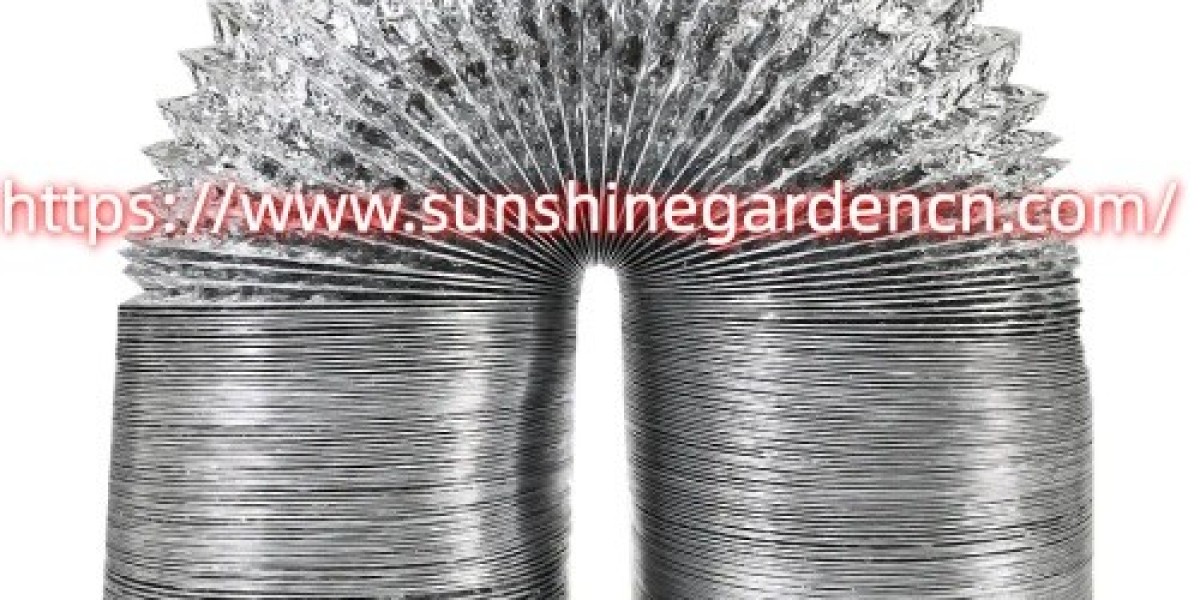
Another useful step is to examine the relationship between fans, ducts, and filtration components. Moving air through a long or restrictive duct can affect actual airflow, while a filter introduces additional resistance. Buyers should consider the complete arrangement instead of evaluating each component in isolation. For example, a grow tent with limited exhaust space may need a different configuration from a greenhouse with large openings. Matching the components helps create a setup that reflects the physical conditions of the site.
Supplier communication can clarify details that are difficult to judge from a product listing. Ask about available sizes, connection dimensions, operating specifications, customization options, packaging, and expected lead times. For wholesale orders, it is also useful to confirm minimum order quantities, sample arrangements, inspection procedures, and the consistency of product specifications between batches. Clear answers make it easier to compare quotations and plan purchasing schedules without relying on assumptions.
Sunshine provides air circulation products and related accessories for indoor growing and garden applications, including inline duct fans, plastic duct fans, clip fans, air carbon filters, and flexible ducting. Buyers can compare these options according to their intended setup and discuss project requirements before making a decision. Rather than choosing equipment by appearance alone, it helps to prepare room measurements, airflow targets, and installation details in advance. To review the available product range and identify options for a particular application, visit https://www.sunshinegardencn.com/product/ and use the product information to guide the next stage of purchasing.