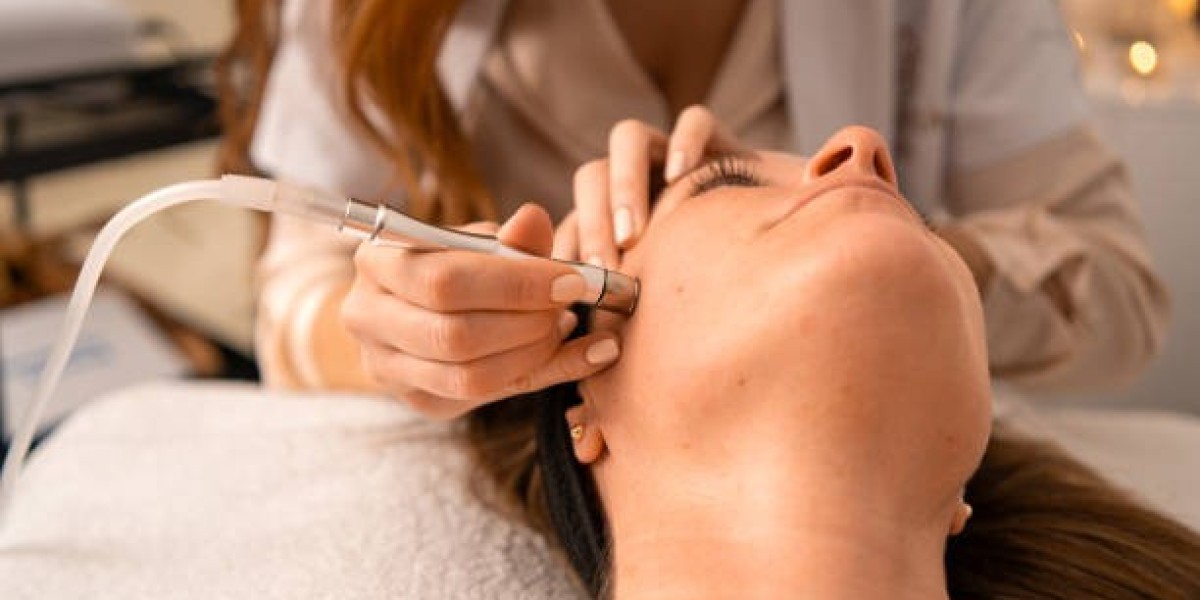

Understanding the recovery timeline is an important part of choosing a cosmetic skin rejuvenation procedure. People considering treatment often want to know when changes will become visible, how long the skin takes to heal, and when they can evaluate the final outcome. facial plasma in riyadh uses controlled thermal energy to create tiny areas of injury on the skin’s surface, triggering a healing response that may influence the appearance of selected concerns. However, results do not appear instantly, and the timeline varies according to the treatment area, individual skin characteristics, treatment intensity, and aftercare.
How Does Plasma Pen Treatment Work?
Plasma pen treatment uses a specialized device to create a small electrical arc that produces localized thermal effects on the skin. The procedure creates tiny treatment points without conventional surgical incisions. These points initiate a healing process that may result in changes to the appearance of the treated area.
The treatment is promoted for concerns such as fine lines and mild skin laxity, but its effectiveness varies by indication. It does not remove substantial excess skin, and it should not be considered equivalent to surgery or every other skin rejuvenation procedure. A qualified practitioner can explain whether it is appropriate for your specific concern.
When Can You First Notice Changes?
Immediately After Treatment
Right after the procedure, the skin may appear red, swollen, or irritated. Tiny brown crusts or scabs may develop at the treatment points. These early changes are part of the skin’s response to thermal injury and should not be mistaken for the final cosmetic result.
Swelling may be more noticeable when delicate areas, such as the eyelids, are treated. Avoid judging the outcome during this stage because the skin is still recovering. Follow the aftercare instructions provided by your practitioner, and do not pick at the treated area.
During the First Week
During the first week, redness and swelling may gradually improve, although the timeline differs from person to person. Small crusts can remain visible for several days or longer, depending on the treatment and individual healing response.
Allow the crusts to fall away naturally rather than scratching, rubbing, or removing them. Prematurely disturbing the healing skin can increase the risk of infection, scarring, and uneven pigmentation. If you experience worsening pain, spreading redness, pus, or other concerning symptoms, seek medical advice.
What Happens Over the Following Weeks?
After the initial healing phase, the skin’s appearance may gradually change. Some people notice improvements in selected fine lines or texture concerns, while others experience only subtle changes. The timing and degree of improvement cannot be guaranteed.
For those considering Plasma Pen Treatment in Riyadh, it is important to distinguish between the time required for visible surface healing and the time needed to assess cosmetic results. Skin may look healed before the final outcome can be evaluated, and pigmentation changes or prolonged redness can sometimes occur after the crusts have disappeared.
When Can You Evaluate the Results?
A practitioner may recommend waiting until the skin has fully healed before assessing the outcome. The appropriate review time depends on the treatment area, intensity, and any complications during recovery. Some changes may become apparent over the following weeks, but the overall result can take longer to assess.
Before-and-after photographs can help document changes when they are taken under consistent lighting, camera angles, and facial expressions. However, photographs should not be treated as a guarantee of individual results. Ask your practitioner when your specific treatment should be reviewed and whether further treatment is advisable or safe.
Factors That Affect the Results Timeline
Treatment Area
Different areas of the body and face heal at different rates. Delicate areas, particularly around the eyes, may experience more noticeable swelling and require careful monitoring. The size of the treatment area and the extent of thermal exposure can also influence recovery.
Skin Type and Healing Response
Individual skin characteristics affect both recovery and the risk of complications. People who are prone to pigmentation changes or abnormal scarring may need additional evaluation before treatment. Darker skin tones can be particularly susceptible to post-inflammatory hyperpigmentation after skin injury, although complications can occur with any skin tone.
Practitioner Technique
The treatment settings, application technique, and selection of appropriate candidates can influence the healing process and potential outcome. Choosing a properly qualified practitioner is essential because excessive or incorrectly applied thermal energy can cause burns, scarring, and other complications.
Aftercare Routine
Following professional aftercare guidance helps protect the skin while it heals. Recommendations may include gentle cleansing, avoiding irritating products, not picking scabs, and limiting sun exposure. Use sunscreen when advised and appropriate for the healing stage, and follow instructions about when to resume active skincare ingredients.
How Can You Support Skin Recovery?
Allow the skin to heal naturally and avoid unnecessary friction or picking. Do not apply harsh exfoliants, retinoids, or other potentially irritating products to the treated area until your practitioner confirms they are appropriate. Avoid unapproved home remedies and follow guidance about cleansing and moisturization.
Sun protection is particularly important because ultraviolet exposure can worsen pigmentation changes. If redness, swelling, or discomfort becomes worse rather than gradually improving, contact your healthcare provider. Signs of infection or unusual healing should be assessed promptly rather than managed with cosmetic products alone.
Are Multiple Sessions Needed?
The number of sessions, if any, depends on the concern being treated and the response to the initial procedure. More treatment does not automatically mean better results, and repeating a procedure before the skin has fully recovered may increase the risk of complications.
Discuss the potential benefits and risks of additional sessions during a follow-up appointment. A practitioner should assess the skin’s healing and explain whether another session is appropriate or whether an alternative treatment may be more suitable.
What Results Should You Realistically Expect?
Plasma pen treatment may produce visible changes in selected cosmetic concerns, but results vary and are not guaranteed. It may not adequately address deeper wrinkles, significant skin laxity, or substantial excess skin. Possible adverse effects include burns, infection, scarring, prolonged redness, and darker or lighter areas of pigmentation.
If you are researching Plasma Pen Treatment in Riyadh, a personalized consultation can help you understand the likely recovery timeline for your treatment area. The qualified team at Royal Clinic Saudia can discuss your concerns, explain available options, and provide guidance on expected healing, potential risks, and appropriate aftercare before you make a decision.







