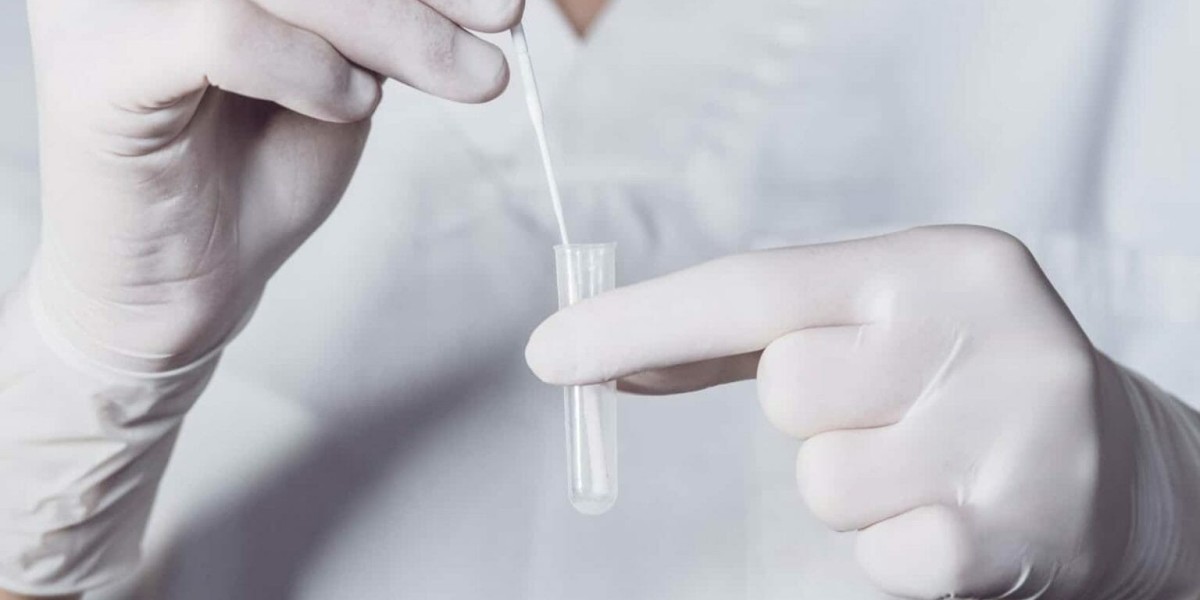

Male reproductive health plays an essential role in conception, hormonal balance, and overall well-being. When a couple experiences difficulty becoming pregnant, evaluating male fertility can help identify potential contributing factors and guide the next steps. A Male Fertility Test in Dubai provides valuable information about sperm production, semen quality, and certain conditions that may affect reproductive function.
Although sperm count is an important part of fertility testing, it is not the only factor that matters. Sperm movement, shape, semen volume, hormone levels, and the health of the reproductive organs may also influence the ability to conceive.
This complete guide explains the different types of male fertility tests, what happens during testing, how to understand the results, and which steps may support better reproductive health.
What Does a Male Fertility Test Reveal About Reproductive Health?
A male fertility test is a medical evaluation designed to assess aspects of the male reproductive system that may influence conception. The first investigation is commonly a semen analysis, which examines sperm and semen characteristics in a laboratory.
Depending on the results and medical history, a healthcare professional may recommend additional tests to investigate hormonal imbalances, structural abnormalities, genetic conditions, or problems affecting sperm production.
Male fertility testing can help identify:
Low sperm concentration or total sperm count
Reduced sperm movement
A high proportion of sperm with abnormal shapes
Very low semen volume or other semen abnormalities
A complete absence of sperm in the ejaculate
Possible signs of hormonal or reproductive disorders
It is important to understand that a fertility test does not provide a guaranteed prediction of pregnancy. Instead, it helps clinicians assess reproductive function and determine whether further evaluation or treatment may be appropriate.
The Core Test: Understanding Semen Analysis
Semen analysis is generally the starting point for investigating male infertility. During this laboratory test, a semen sample is evaluated using standardized procedures.
Sperm concentration and total sperm number
Sperm concentration measures how many sperm are present in one milliliter of semen. Total sperm number estimates the number of sperm in the entire ejaculate.
These measurements provide related but different information. A sample may have a relatively low sperm concentration but a higher total sperm number because of greater semen volume. For this reason, clinicians consider both measurements when interpreting results.
Sperm motility: How effectively sperm move
Sperm motility describes the ability of sperm to move. Progressive motility refers to sperm that swim forward effectively, while total motility includes sperm that move without necessarily progressing efficiently.
Movement matters because sperm must travel through the female reproductive tract to reach an egg. Reduced sperm motility, known as asthenozoospermia, may affect this process.
Sperm morphology: Why shape matters
Sperm morphology refers to the size and shape of sperm, including the head, midpiece, and tail. Laboratories assess the proportion of sperm that meet specific criteria for normal form.
A high percentage of abnormally shaped sperm may be associated with fertility difficulties, but morphology should not be interpreted alone. Men with lower morphology results may still achieve natural conception.
Semen volume and additional laboratory findings
Semen volume is measured because it contributes to the calculation of total sperm number. Depending on the circumstances, laboratories may also assess semen pH, liquefaction, and other characteristics.
Unusual findings do not always indicate infertility. For example, a low-volume sample may reflect incomplete collection rather than an underlying medical problem. Your healthcare professional can determine whether further assessment is necessary.
Interpreting Male Fertility Test Results Without Misunderstanding the Numbers:
Semen analysis reports often include reference values based on data from men whose partners conceived naturally. These values help clinicians interpret results, but they are not absolute definitions of fertility or infertility.
The World Health Organization's sixth edition of its laboratory manual reports the following lower fifth-percentile reference values:
| Semen parameter | Lower reference value |
|---|---|
| Sperm concentration | 16 million per mL |
| Total sperm number per ejaculate | 39 million |
| Total sperm motility | 42% |
| Progressive sperm motility | 30% |
| Normal sperm morphology | 4% |
A result below a reference value does not automatically mean a man cannot father a child. Similarly, results within the reference ranges do not guarantee pregnancy.
The clinical meaning depends on the combination of semen parameters, the individual's medical history, and the reproductive health of both partners.
Why repeat testing can be important
Sperm parameters may vary between samples. Recent fever, illness, incomplete sample collection, differences in abstinence duration, and other factors can affect the results.
If an initial semen analysis is abnormal, the clinician may recommend another test to determine whether the finding persists. The timing depends on the results and clinical circumstances.
Following the laboratory's collection instructions is essential for obtaining a useful comparison between samples.
Beyond Semen Analysis: Other Tests Used to Assess Male Fertility
Not every man needs extensive testing. Additional investigations are selected according to the initial results, symptoms, and suspected causes of reproductive difficulties.
Hormone testing
Blood tests may measure testosterone, follicle-stimulating hormone (FSH), and luteinizing hormone (LH). These hormones help regulate testicular function and sperm production.
Hormonal evaluation may be appropriate when sperm counts are very low, sperm are absent from the ejaculate, or symptoms suggest an endocrine disorder.
Physical examination and scrotal assessment
A healthcare professional may examine the testes and other reproductive structures. The examination can identify findings such as a varicocele, which involves enlarged veins in the scrotum and may contribute to impaired fertility in some men.
Depending on the clinical findings, a scrotal ultrasound may be recommended to investigate a suspected abnormality.
Genetic testing
Selected men with azoospermia or severe sperm production problems may benefit from genetic investigations. Depending on the circumstances, these may include chromosome analysis or specific genetic tests.
Genetic results can help explain certain fertility problems and guide counseling about treatment options and potential inherited risks.
Testing for infection or obstruction
When symptoms or examination findings suggest an infection or blockage, additional investigations may be needed. The specific tests depend on the suspected condition.
Advanced sperm function tests are not routinely required for everyone. A fertility specialist can explain whether additional testing is likely to provide useful information or change the treatment plan.
Common Causes of Male Infertility: What a Test May Help Identify
Male infertility can result from several conditions, and sometimes no clear cause is identified. A fertility assessment helps narrow down the possibilities.
Varicocele: Enlarged veins around the testes may affect testicular temperature and function in some men.
Hormonal disorders: Problems involving testosterone or the hormones that regulate sperm production may contribute to a low sperm count.
Reproductive tract obstruction: A blockage can prevent sperm from entering the ejaculate even when sperm production continues.
Genetic conditions: Certain inherited or chromosomal abnormalities can affect sperm development or reproductive anatomy.
Infections and inflammation: Some infections or inflammatory conditions can interfere with reproductive function.
Medication and treatment effects: Chemotherapy, radiation, anabolic steroids, and certain other medications can affect sperm production.
Lifestyle and environmental factors: Smoking, heavy alcohol consumption, recreational drugs, obesity, and some occupational exposures may negatively influence reproductive health.
Identifying a potential cause does not always mean it can be completely reversed. However, understanding the contributing factors helps clinicians recommend appropriate management.
Preparing for a Male Fertility Test: A Practical Checklist:
Preparation helps reduce avoidable problems with sample collection and laboratory interpretation.
Before your appointment, follow these recommendations:
Check abstinence instructions. Many laboratories recommend two to seven days without ejaculation before sample collection. Follow the specific guidance provided by your facility.
Understand the collection procedure. Use the approved container and collection method supplied or recommended by the laboratory.
Collect the complete sample. Inform the laboratory if any portion is lost, as this may affect the interpretation.
Avoid unapproved lubricants. Ordinary lubricants and some condoms can interfere with sperm testing.
Follow transport instructions. If collecting the sample outside the laboratory is permitted, observe the required delivery time and handling conditions.
Share relevant medical information. Tell your clinician about medications, supplements, recent illness, previous surgery, and reproductive health concerns.
Do not discontinue prescribed medication without medical guidance. If you have recently experienced a significant fever or illness, ask your healthcare professional whether the timing of testing could affect the results.
Supporting Male Reproductive Health Before and After Testing:
Lifestyle changes can support general health and may benefit reproductive function, although they cannot resolve every cause of male infertility.
A balanced diet containing vegetables, fruit, whole grains, legumes, nuts, and adequate protein provides important nutrients for normal bodily function. Regular physical activity, sufficient sleep, and maintaining a healthy weight can also support overall well-being.
Avoid smoking, anabolic steroids, and recreational drugs. Excessive alcohol consumption may negatively affect reproductive health, so reducing heavy intake is advisable.
Men considering testosterone treatment should discuss fertility goals with their doctor. Testosterone taken from outside the body can suppress the hormonal signals required for sperm production and may significantly lower sperm counts.
Be cautious with products marketed as male fertility supplements. Evidence for many supplements remains inconsistent, and taking high doses of certain nutrients can cause harm or interact with medication.
Because sperm development takes several weeks, changes in reproductive health may take around three months or longer to become apparent. Improvements are not guaranteed, particularly when an underlying medical or genetic condition is responsible.
What Happens After Your Male Fertility Assessment?
Once the results are available, your healthcare professional will explain their significance and recommend next steps.
If the findings are reassuring, additional male testing may not be immediately necessary. If abnormalities are present, your doctor may recommend repeat semen analysis, hormone testing, a physical examination, or specialist referral.
Treatment depends on the underlying cause and the reproductive goals of both partners. Options may include treating a medical condition, managing a clinically significant varicocele, addressing an obstruction, or considering assisted reproductive techniques such as intrauterine insemination, in vitro fertilization, or intracytoplasmic sperm injection.
A coordinated fertility evaluation is particularly important when pregnancy has not occurred despite reassuring male test results.
Couples are generally advised to seek an infertility evaluation after 12 months of regular unprotected intercourse without conception, or after six months when the female partner is 35 or older. Earlier assessment may be appropriate when known reproductive risk factors are present.
Frequently Asked Questions About Male Fertility Testing:
Is a male fertility test painful?
A standard semen analysis is noninvasive and generally does not involve pain. Additional procedures, if needed, depend on the investigations recommended by the clinician.
Can a man have normal sperm count but still experience infertility?
Yes. Normal sperm concentration does not guarantee fertility. Motility, morphology, sperm function, sexual health, and other reproductive factors can influence conception.
Can a male fertility test detect every fertility problem?
No. Semen analysis provides important information but cannot identify every cause of infertility. Some conditions require hormone testing, physical examination, genetic investigations, or evaluation of both partners.
When should I consult a fertility specialist?
Consider a consultation if pregnancy has not occurred within the recommended timeframe, if semen analysis results are repeatedly abnormal, or if you have a known condition that may affect reproductive health.
Conclusion:
A male fertility Lab tests is an important tool for understanding reproductive health and identifying potential barriers to conception. Semen analysis evaluates sperm concentration, total sperm number, motility, morphology, and other characteristics that contribute to the overall assessment.
However, fertility cannot be judged by sperm count alone. Medical history, hormonal function, reproductive anatomy, lifestyle factors, and the fertility of both partners also matter.
If you are concerned about your reproductive potential, a healthcare professional can help interpret your results, determine whether further testing is needed, and discuss suitable next steps. Accurate information and individualized medical guidance provide a stronger foundation for making decisions about conception and long-term reproductive health.
Medical disclaimer: This article is for educational purposes only and does not replace professional medical advice, diagnosis, or treatment. Consult a qualified healthcare professional for personalized fertility assessment and care.







