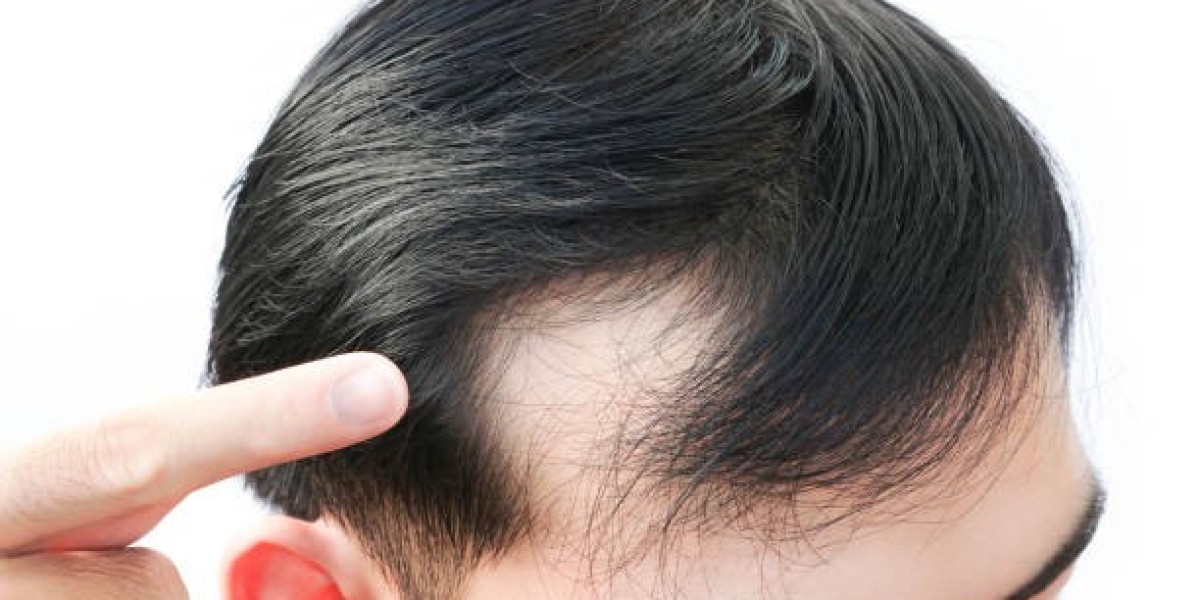

Alopecia areata is an autoimmune condition that causes hair loss when the immune system mistakenly attacks hair follicles. It may lead to small, round bald patches, more extensive scalp hair loss, or thinning in areas such as the eyebrows and beard. Although the condition affects people differently, appropriate medical care can help individuals understand their symptoms and explore suitable management options. alopecia hair treatment may be an option for people experiencing unexplained patchy hair loss, recurring bald spots, or more extensive hair loss associated with this condition. The ideal candidate depends on the diagnosis, severity of symptoms, medical history, age, and individual treatment goals.
Understanding Who May Benefit From Treatment
There is no single profile that defines an ideal candidate for alopecia areata treatment. Some people experience a small patch that regrows naturally, while others develop persistent or widespread hair loss that may benefit from medical intervention. A professional assessment helps determine whether treatment is necessary and which options may be appropriate.
People who notice sudden bald patches, repeated episodes of hair loss, or changes in eyebrow, eyelash, or beard hair should consider consulting a qualified healthcare professional. An evaluation is particularly important when the hair loss progresses or begins affecting daily confidence and emotional well-being.
Candidates With Confirmed Alopecia Areata
Individuals With Clearly Defined Bald Patches
People who develop smooth, round or oval patches of hair loss may be suitable candidates for evaluation and treatment. These patches commonly appear on the scalp but can also develop in other hair-bearing areas.
Because other conditions can produce similar symptoms, a specialist should confirm the diagnosis before recommending treatment. Fungal infections, certain inflammatory scalp conditions, and other forms of hair loss may require different approaches.
Individuals With Recurring Hair Loss
Some people experience repeated episodes in which hair falls out, regrows, and later becomes thinner again. Recurring symptoms may warrant medical review to assess disease activity and discuss management options.
Treatment may help some individuals, but results differ, and regrowth does not guarantee that future episodes will not occur. Regular follow-up can help track changes and guide decisions about ongoing care.
Candidates With Mild, Moderate, or Extensive Hair Loss
People With Limited Hair Loss
Individuals with one or a few small bald patches may be suitable for observation or localized treatments, depending on their circumstances. Because spontaneous regrowth is possible, a healthcare professional may discuss the advantages and disadvantages of treating immediately versus monitoring the affected areas.
When treatment is recommended, options may include topical corticosteroids or corticosteroid injections for selected patients. Suitability depends on factors such as age, the location of hair loss, and the condition of the skin.
People With More Extensive Hair Loss
Individuals who lose hair across larger areas of the scalp or body may need a more comprehensive treatment assessment. Extensive alopecia areata can affect appearance, comfort, and emotional well-being, making professional guidance particularly valuable.
For eligible patients with severe disease, certain prescription medicines, including Janus kinase (JAK) inhibitors, may be considered where approved and clinically appropriate. These treatments require careful evaluation and monitoring because they can cause significant adverse effects. Not everyone with extensive hair loss is eligible, and treatment outcomes vary.
Candidates Experiencing Eyebrow, Eyelash, or Beard Hair Loss
Alopecia areata can affect hair outside the scalp. People may notice thinning eyebrows, missing eyelashes, or patchy beard growth. These changes can be distressing and may sometimes affect practical functions, such as eye protection when eyelashes are significantly reduced.
A specialist can determine whether the changes are consistent with alopecia areata and discuss options based on the affected area. The skin around the eyes and other sensitive regions requires particular care, so patients should avoid applying medications to these areas without professional instructions.
Factors a Specialist Considers Before Treatment
Age and General Health
Age can influence which treatments are suitable. Children, teenagers, and adults may have different treatment considerations, while other health conditions can affect medication selection. A clinician will review relevant medical history before recommending an approach.
Duration and Pattern of Hair Loss
The duration of symptoms, number of affected patches, and rate of progression can help guide treatment planning. A specialist may also ask about previous episodes and treatments to understand how the condition has behaved over time.
Medical History and Medication Risks
Some treatments are not appropriate for people with particular medical conditions or risk factors. Before prescribing medication, a healthcare professional may review current medicines, previous illnesses, infection risks, and other relevant health information. Certain systemic treatments may require laboratory tests and ongoing monitoring.
Personal Goals and Expectations
Patients may seek treatment to encourage regrowth, manage recurring symptoms, or address the emotional effects of visible hair loss. Discussing these goals helps establish realistic expectations and determine whether the likely benefits of treatment justify its potential risks.
Who May Need Further Evaluation Before Treatment?
Not every case of hair loss is caused by alopecia areata. People with significant scalp scaling, pain, redness, inflammation, or scarring may need additional investigation to identify another condition. A specialist may use a scalp examination and dermoscopy, and sometimes blood tests or a biopsy, when the diagnosis is uncertain.
Individuals should also seek guidance before using prescription medicines, high-dose supplements, or unverified hair-growth products. Self-treatment may delay the correct diagnosis or expose the scalp to unnecessary irritation.
What to Expect During a Treatment Consultation
A consultation generally begins with a discussion of symptoms, medical history, and the timing of hair loss. The clinician examines the affected areas and may use dermoscopy to assess the hair and scalp. Further tests are considered only when clinically indicated.
When exploring Alopecia Areata Treatment in Riyadh, patients can ask about available treatment choices, expected timelines, possible side effects, and how progress will be monitored. The treatment plan may involve observation, localized medication, or systemic therapy for selected cases. No approach can guarantee complete or permanent regrowth, and the condition may recur.
Is Alopecia Areata Treatment Right for You?
The most suitable candidates are people who have received an appropriate assessment and want to understand their options for managing confirmed alopecia areata. Treatment may be helpful for persistent, recurring, or extensive hair loss, while some limited cases may improve without intervention. A qualified healthcare professional can explain the potential benefits and limitations according to individual circumstances.
If you are concerned about unexplained hair loss, consider arranging a consultation with Royal Clinic Saudia to discuss your symptoms and possible next steps. A personalized assessment for Alopecia Areata Treatment in Riyadh can help you understand which options may be suitable for your needs and medical history.