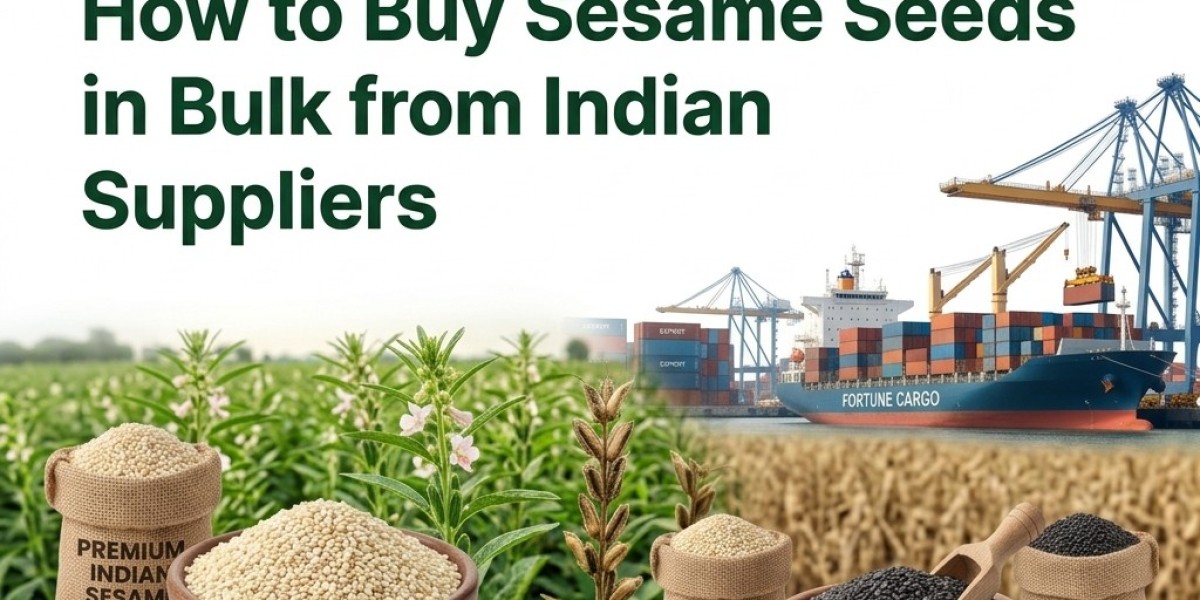

Buying sesame seeds in bulk is not just about spotting a cheap rate. You end up needing to look at product type, overall quality, packaging, the delivery terms and whether the supplier can actually handle your order size without slowing down. A good sesame seeds suppliers should be straightforward about what they're shipping, like the exact grade and how it's processed, so buyers can really understand what they will get. A few little checks before you confirm payment can cut down on delays, bad quality surprises, and extra expenses that nobody wanted.
For food importers, wholesalers, and manufacturers, India is one place where you can source different sesame products for different uses. This guide is meant to walk you through picking an Indian sesame seed exporter, comparing quotes properly, checking quality in a practical way, and setting up a bulk order with a bit more care than “send it and hope”.
Define Your Sesame Seed Requirements
Before reaching out, decide which sesame seed “style” matches your operation. For example, natural white sesame seeds are commonly used in baked items, snack foods, and general food processing. Hulled sesame seeds have the outer skin taken off, and they're often used for tahini, sauces and other food preparations. Black sesame seeds, on the other hand, are used when the color and taste profile matters most.
Then, kinda estimate how much you'll need and figure out what packing format works best for your storage and transport. Share your target grade, intended use, order size, destination, and your expected delivery date with each supplier. This way, sesame sseedsuppliers can quote based on the same exact requirements, and it becomes easier to compare offers without mixing up different specifications , or comparing apples to sesame-adjacent fruit.
How to Compare Sesame Seeds Suppliers
Don't choose a supplier just because the price looks attractive, or it seems “cheap” at a quick glance. Take a moment and check their business profile, product range, and export track record. Also see if they can handle your required volume consistently, not only once. Try to ask for current product specifications, and ask for more about how they do cleaning, sorting, packing, plus dispatch. Sometimes, you want the full story, not the short version, or it may cause problems later. A reliable supplier should be able to walk you through their process and answer questions without dodging.
An Indian sesame seed exporter should also confirm the destination country's import expectations before shipment. Ask what export documents they can provide and which documents you, as the buyer, need to arrange. Also review delivery terms, payment terms, and what happens if goods do not match the agreed quality. Clear answers now usually save time, money, and arguments later.
Check Sesame Seed Quality Before Buying
Quality checks are kind of the spine of bulk buying, you know. Make sure you ask about purity and the moisture level, also what the foreign matter limits look like, plus color and other constraints that actually matter for your final product. The right thresholds depend on which sesame type it is and how you want to use it across your production line, not just in theory.
Request a recent Certificate of Analysis (COA) or some other fitting test report for the particular batch you plan to buy, not just a generic one. If it's feasible, ask for a sample beforehand, before you commit to a big order… and yes, that timing matters. Take a look at how the seeds look, their odor, their overall cleanliness, and whether they actually match your production needs in a practical way. For food use, extra assays may be needed too, depending on what the buyer market rules say, and also the product regulations that apply. It's a smart move to lock in the test procedures and the acceptable quality ceilings in writing, before the order gets confirmed.
Compare Bulk Sesame Seed Quotes
Quotes only really help when they match the same product, and the same commercial terms too. So ask each supplier to spell out sesame type, grad , quality limits, plus packing details, quantity, delivery term, and also tell you how long the quote stays valid. And do check if the quoted price already includes transport, insurance, loading, and the other related charges, all of that.
Sometimes the “cheapest” quote looks like the lowest deal at first, but it might not be the lowest total price once freight and import charges get added, so ya, do the math and compare the end-to-end cost, not just the starting number.
Quote detail | What to check |
Product type | Natural white, hulled white, or black |
Quality | Purity, moisture, and foreign matter limits |
Quantity | Minimum order and total quantity |
Packing | Bag type, weight, and label details |
Delivery | Dispatch time, freight, and delivery term |
Payment | Deposit, balance, and agreed payment method |
Documents | COA, invoice, packing list, and required export papers |
When you compare, do it across the full offer, not just one price number, ok. If any key detail is missing (packing, delivery terms, documents, lot info, whatever), ask for a revised quote. Also keep the final product and the delivery terms in writing, so both sides have the same record, not that “we discussed it” vibe.
Confirm Packing, Documents, and Delivery
Packing has to do more than just look nice; itt has to protect the product during storage and transport, really. Before you approve anything, ask a couple of things: how the bag is made, what the bag weight is, whether an inner lining is needed, how the labels will be applied, and if pallets will be used. Then confirm the packing works for the rout , climate, storage period, and also the buyer’s own rules.
For a repeat order, keep the same agreed packing details unless both sides agree on a change; otherwise, you may end up with “similar but not the same” goods.
Documents can shift a bit, depending on the country and the way the shipment happens. Usually there is a commercial invoice involved, along with a packing list, a certificate of origin, sometimes a quality report, and other paperwork as well. The buyer may want certain documents or local authorities require them, so it can vary, you know. Don’t just assume every market needs the same set—confirm the list with the importer, freight agent, and the relevant official bodies before dispatch.
Common Mistakes to Avoid When Buying in Bulk
A frequent problem is putting in an order without checking a sample, or without jotting down the quality limits clearly. Another verycommonl situation shows up when folks compare quotes that are not really comparable, like the grades are different, the packing sizes change, or the delivery terms do not match.
Buyers should also try to steer clear of unclear payment conditions, or those promises that kind of float around and aren’t really captured in the purchase order. It’s better to request a written order confirmation, like a paper trail that actually says what’s happening, and that includes product details, quantity, price, packing info, the delivery date, and what happens if the goods fail those agreed checks.
Also give yourself time to evaluate the supplier before sending a large payment, because it can be more complicated than it looks. A Sesame Seeds Manufacturer might process and pack the product, but an exporter could source from other producers, like kind of an indirect line. Ask plainly who will actually handle the order , and who is responsible for those quality checks. In that way ,you can understand the supply chain before you commit, not after, and you don’t get surprised later.
Why Work with Fortune Exicom?
Working with a supplier that gives clear product details, plus solid order terms it makes bulk buying way easier sort of. Fortune Exicom provides sesame products for business buyers, including natural white, hulled, and black varieties. Buyers can look over the options and request updated specifications, packing details, order terms before they decide.
That creates a clear basis for the purchase on both sides, with fewer surprises later.
If you are looking for a good Indian sesame seed exporter, you really should make sure they get what you need, the real order volume you are talking about, and where the destination market actually sits. Try comparing their offer with other sesame seed exporters, get the questions out early, and only confirm once you feel fully satisfied with it. And if you need a Sesame Seeds Manufacturer for a regular supply, then don’t just stop there—also look into their processing capacity and what kind of quality checks they actually do.
Conclusion
Buying sesame in bulk kind of really needs careful planning, from choosing the right kind to checking quality, then about the packing, total costs,s and even delivery terms. A trustworthy sesame seeds supplier should give clear answers and also written order details that make sense. I would suggest comparing offers from more than one Indian sesame seeds exporter before you lock in anything, because otherwise it gets messy later.
If you want to check current options, visit the Fortune Exicom sesame product page to review available types, then contact the team for current specifications and a bulk quote.
Frequently Asked Questions
1. What is the minimum order quantity for bulk sesame seeds?
It really depends on the supplier, product type, the packing format, and where it’s goin . Before you ask for a final quote, make sure you ask about the MOQ and what order sizes are available, because sometimes they change everything.
2. Can I request a sample before placing a bulk order?
Yeah, ok, so ask the supplier, like if a sample is available or not, then go ahead and review the quality real careful, make sure it really fits what you need before you approve the whole order. Also check that the specimen is right for your requirements, not just in general.
3. How do I choose reliable sesame seeds suppliers?
Take a look at the business details, product specification(s), the test reports, and the packing approach—plus payment terms, and the delivery plan. Now compare the quotes only when they meet the same quality requirements.