
Introduction
Publishing website content is only one part of an effective SEO strategy. To attract relevant organic traffic, businesses must ensure their pages answer users' questions, target appropriate search terms, and provide a clear experience across desktop and mobile devices.
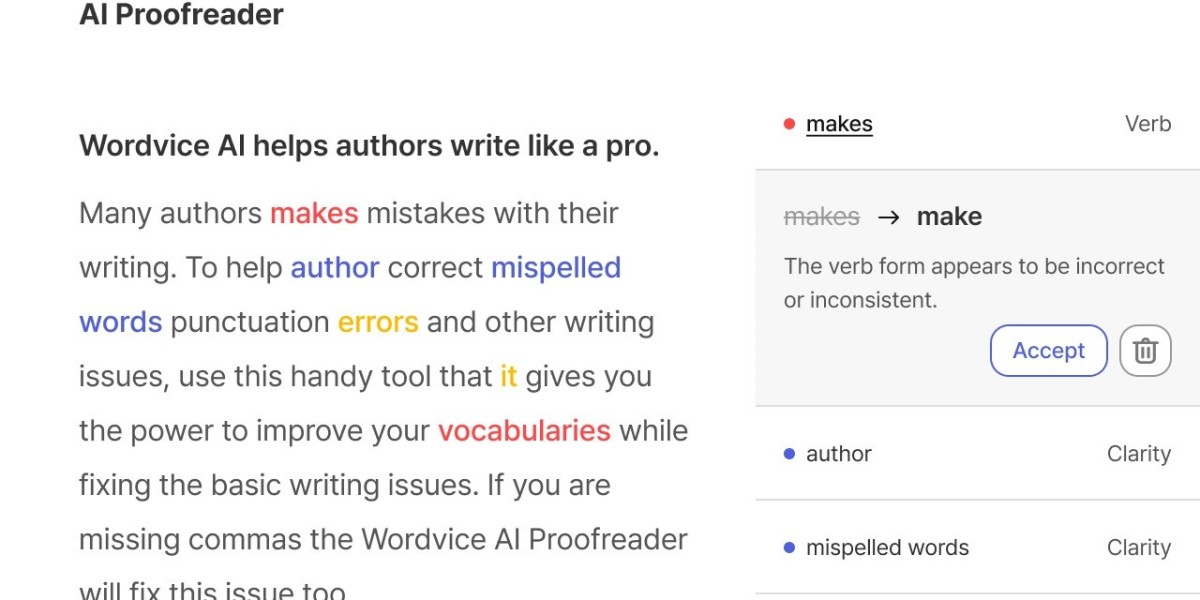
An AI SEO tool can help streamline content reviews by identifying potential weaknesses and suggesting improvements. From keyword placement to metadata and heading structure, these tools make it easier to follow a consistent optimization process.
The key is knowing how to use their recommendations effectively.
Step 1: Identify the Purpose of Each Page
Before optimizing a page, determine what it should accomplish. A service page, informational blog post, product page, and comparison article serve different purposes.
For example, a page targeting “technical SEO services” should explain the service, its benefits, the problems it solves, and how customers can get started. An article targeting “what is technical SEO” should focus more on education.
An AI SEO tool can support this process by helping organize keywords and analyze content relevance. However, the final page structure should reflect the actual needs of your target audience.
Step 2: Research Primary and Secondary Keywords
Every page should have a clear main topic, supported by relevant related terms.
Start by identifying:
A primary keyword that closely matches the page's purpose.
Secondary keywords that cover related aspects of the topic.
Long-tail keywords that reflect specific questions or needs.
Related entities and terminology that help explain the subject accurately.
For example, a page about website content optimization might target the primary keyword “website content optimization,” with related terms such as content audit, on-page SEO, keyword mapping, internal linking, and content quality.
Avoid forcing every keyword into the same page. Natural language and clear explanations are more important than repetitive keyword placement.
Step 3: Improve Titles and Meta Descriptions
Title tags and meta descriptions help communicate the subject of a page in search results.
A useful title should describe the page accurately, include the main topic naturally, and distinguish the content from competing results. A meta description should summarize the page's value without making misleading promises.
An AI SEO tool can generate several variations to compare.
For example:
Title: Website Content Optimization: A Practical SEO Guide
Meta description: Learn how to improve website content with keyword research, on-page SEO, internal linking, and AI-powered optimization techniques.
These are starting points, not guaranteed ranking improvements. Review each suggestion for relevance, clarity, and alignment with the actual content.
Step 4: Structure Content for Readability
Well-organized content helps readers find information quickly. It also makes the relationships between topics clearer.
Use one clear H1 heading, followed by descriptive H2 sections and H3 subsections where appropriate. Keep paragraphs focused and use lists when they make instructions or comparisons easier to understand.
An AI SEO tool may identify missing sections or recommend alternative headings. Use those suggestions to fill genuine information gaps rather than adding sections solely to increase word count.
Useful additions might include:
Step-by-step instructions.
Examples relevant to the target audience.
Answers to common customer questions.
Comparisons of different approaches.
Practical recommendations supported by reliable information.
Step 5: Review Content Quality and Search Intent
A page can include the right keywords and still fail to meet users' expectations.
Review the content to ensure it answers the main question early, explains important concepts accurately, and provides enough detail for the reader to take the next step.
AI-assisted content analysis can help identify repetitive passages, unclear wording, missing subtopics, or weak transitions. Human review remains essential for checking factual claims, adding original expertise, and ensuring the page offers something useful beyond generic information.
For specialized subjects, verify important claims against trustworthy sources and include appropriate author expertise or editorial review.
Step 6: Strengthen Internal Links
Internal links connect related pages on your website. They help visitors explore relevant resources and provide search engines with additional context about your site's structure.
When optimizing a page, look for natural opportunities to link to:
Related service pages.
Supporting blog articles.
Relevant product or category pages.
Helpful guides that explain a concept in more detail.
Use descriptive anchor text that tells readers what to expect from the destination page. Avoid inserting excessive links or using the same exact-match keyword unnaturally across every page.
Step 7: Check Technical and On-Page Elements
Content optimization should also include a review of important page elements.
Check whether the page:
Can be crawled and indexed as intended.
Uses an appropriate canonical URL.
Has a logical heading structure.
Includes descriptive image alt text where useful.
Loads reliably on mobile devices.
Contains relevant internal links.
Avoids unnecessary duplication with other pages.
An AI SEO tool may help flag potential issues, but important technical findings should be verified using the website's source code, browser tools, or a dedicated crawler when necessary.
Step 8: Measure Results After Publishing
SEO improvements should be evaluated using real performance data rather than assumptions.
Monitor Google Search Console and analytics data to understand whether the updated page earns more impressions, attracts relevant clicks, and contributes to business goals.
Important metrics include:
Organic impressions and clicks.
Search queries generating page visits.
Keyword ranking trends.
Click-through rate.
Engagement and conversions.
Technical indexing status.
Allow enough time for search engines to recrawl the page and for meaningful performance patterns to emerge. If results do not improve, investigate the underlying issue instead of repeatedly changing keywords without a clear hypothesis.
Streamline Your Workflow With Pyxa AI SEO Tools
Pyxa AI SEO Tools provides AI-assisted features for keyword research, content grading, on-page suggestions, competitor analysis, metadata generation, and rank monitoring.
These features can help content creators and marketing teams identify areas that deserve attention and maintain a more organized optimization process.
For the best results, use the tool to accelerate research and reviews while retaining human oversight for strategy, editorial quality, and technical validation.
Conclusion
Optimizing website content with an AI SEO tool involves more than adding keywords or generating metadata. It requires understanding search intent, improving page structure, strengthening internal links, reviewing technical elements, and measuring results.
A consistent process helps businesses turn content optimization into an ongoing improvement cycle. By combining AI-assisted analysis with useful content and reliable performance data, website owners can make better-informed decisions about their SEO strategy.
Call to action: Discover Pyxa AI SEO Tools and build a more efficient workflow for researching, reviewing, and optimizing website content.