
A swimming pool can transform a backyard into a relaxing retreat, providing a refreshing place to exercise, entertain guests, and spend time with family. However, keeping the water clean, balanced, and ready for swimming requires consistent attention throughout the year. Leaves, dust, sunscreen, and other contaminants can accumulate quickly, while changing temperatures and frequent use can affect water chemistry. This is why swimming pool weekly service is an important part of responsible pool ownership. Regular maintenance helps control debris, supports effective sanitation, and allows potential equipment problems to be identified early. Understanding the benefits, essential cleaning tasks, and professional service process can help homeowners maintain a healthier pool while reducing the risk of unexpected maintenance expenses.
What Is Swimming Pool Weekly Service?
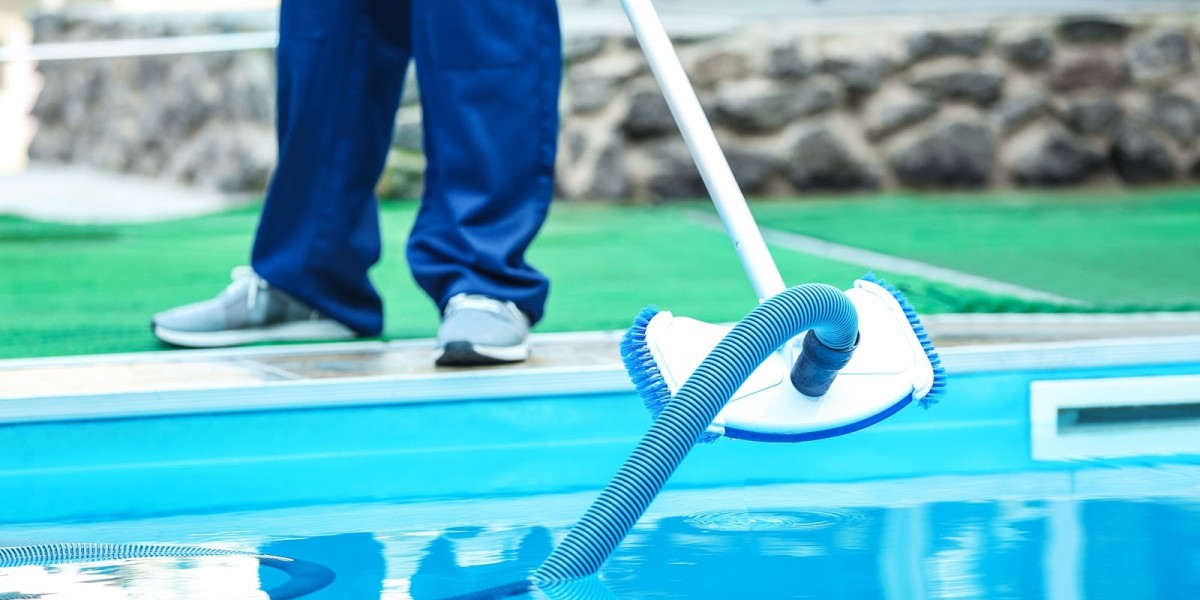
These tasks remove visible contaminants before they accumulate and interfere with circulation. Swimming pool weekly service is a scheduled maintenance program designed to keep a pool clean, properly balanced, and functioning as expected. Depending on the service agreement, a technician may skim floating debris, brush the walls and steps, vacuum the pool floor, and empty skimmer and pump baskets. The technician may also inspect the pool's general condition and recommend additional work when routine cleaning is not sufficient.
Water chemistry testing is another essential part of weekly maintenance. Technicians commonly check sanitizer levels and pH, along with other measurements such as total alkalinity and calcium hardness when appropriate. These readings help determine whether the water needs adjustments to maintain effective sanitation and protect pool surfaces and equipment. Chemical requirements vary according to the pool's size, surface material, sanitizer system, and water conditions, so adjustments should be based on test results rather than guesswork.
A weekly appointment may also include a basic inspection of the pump, filter pressure, visible plumbing, and circulation components. Unusual noises, leaks, restricted water flow, or changes in filter pressure can indicate problems that deserve further attention. Routine service does not necessarily include equipment repairs, replacement parts, or deep filter cleaning, so homeowners should confirm the package details before hiring a provider. Knowing what is included makes it easier to set expectations and budget for additional maintenance when necessary.
Key Benefits of Regular Pool Maintenance
One of the most important benefits of regular pool care is more consistent water quality. Outdoor pools collect organic material, airborne dust, pollen, and contaminants introduced by swimmers. If these materials accumulate, they can affect water clarity and increase the demands placed on the sanitation system. Routine cleaning removes debris, while chemical testing helps identify imbalances that may not be visible to the naked eye.
Consistent maintenance can also help protect the pool's equipment and surfaces. Baskets filled with leaves may restrict water movement, while filters that require attention can reduce circulation efficiency. Water that remains outside recommended chemical ranges may contribute to scaling, corrosion, staining, or deterioration of certain materials. Regular inspections and appropriate chemical adjustments help identify these concerns before they become more difficult to address, although they cannot prevent every mechanical or water-quality problem.
Another advantage is the time saved by homeowners. Pool maintenance involves more than skimming leaves; it may require brushing, vacuuming, testing water, cleaning baskets, and monitoring equipment. A professional service can handle these recurring tasks according to an established schedule, allowing you to focus on enjoying your outdoor space. This support can be especially useful for busy households, larger pools, or homeowners who are unfamiliar with water chemistry and filtration systems.
Swimming Pool Weekly Service Checklist: What Should Be Included?
A reliable weekly maintenance visit should follow a clear checklist suited to the pool's condition and equipment. Although service packages differ, the following tasks are commonly included in a comprehensive routine. Homeowners should ask their provider to confirm which items are covered and whether specialized cleaning or repairs require an additional fee.
Skim the water surface to remove leaves, insects, and floating debris.
Brush pool walls, steps, and other surfaces to loosen dirt and early algae buildup.
Vacuum the pool floor when necessary to remove settled debris.
Empty skimmer baskets and the pump basket to support proper water flow.
Test sanitizer levels and pH, checking additional chemistry parameters when appropriate.
Adjust water chemistry based on test results and the pool system's requirements.
Check filter pressure and inspect visible pump, plumbing, and circulation components.
Look for cloudy water, unusual discoloration, scale deposits, or other developing concerns.
Record the completed work and communicate any recommended repairs or additional treatments.
This checklist provides a useful starting point, but not every pool needs the same level of attention during every visit. A pool surrounded by trees may require more debris removal, while one experiencing cloudy water may need a more detailed investigation. Deep filter cleaning, tile descaling, and major equipment repairs are often separate services. Reviewing the checklist with your technician helps ensure that the maintenance plan reflects your pool's actual needs.
Understanding Muriatic Acid for Pool Water Balance
Muriatic acid is a form of hydrochloric acid and is a strong, corrosive chemical that requires careful handling. Muriatic acid for pool maintenance is commonly used to lower water pH and, depending on the water chemistry, help reduce total alkalinity. When pool pH rises above the recommended range, properly calculated acid treatment may help restore balance. However, adding acid without testing the water can cause pH to drop too low, potentially damaging pool surfaces and equipment and creating unsafe swimming conditions.
Before any adjustment, test the water using a suitable pool testing method and follow the product label and the pool equipment manufacturer's guidance. The correct amount depends on the current pH, total alkalinity, pool volume, acid concentration, and desired result. Because these factors vary considerably, there is no single dose that is appropriate for every pool. A qualified pool professional can interpret the readings and determine whether acid is necessary or whether another adjustment should be made first.
Safety is particularly important when handling muriatic acid. Wear the protective equipment specified on the label, including appropriate eye and skin protection, and work in a well-ventilated area. Never mix muriatic acid with chlorine products or other pool chemicals, as dangerous reactions and toxic gases may result. Always follow the manufacturer's instructions for application, storage, and handling, and keep chemicals secured away from children and pets. If you are unfamiliar with chemical dosing, having a trained pool technician perform the adjustment is the safer choice.
What to Expect During a Professional Pool Service Visit
The first appointment usually begins with an assessment of the pool, its current water condition, and the equipment supporting circulation and filtration. The technician may ask about the pool's maintenance history, sanitizer type, previous water-quality issues, and typical swimming frequency. This information helps determine which cleaning tasks are necessary and whether the pool requires attention beyond routine maintenance. If the pool has been neglected, the initial visit may involve additional work and cost more than a standard weekly appointment.
After the assessment, the technician typically completes the agreed cleaning tasks and tests the water. If the results indicate a chemical imbalance, the technician can explain the recommended adjustments and identify any precautions that may be necessary before swimming resumes. Equipment concerns may also be documented for further inspection or repair. Homeowners should ask for clarification whenever a recommendation involves additional charges or a procedure they do not understand.
At the end of the appointment, request a service report showing the tasks completed, relevant water test results, chemicals added, and any problems identified. These records make it easier to track recurring issues and understand how the pool responds to maintenance. A professional provider should communicate clearly about follow-up work and explain when the pool is ready for use after treatment. Consistent reporting also gives you a practical way to evaluate the quality and value of the service.
How Often Should Your Pool Be Professionally Maintained?
Weekly service is a practical starting point for many residential pools, especially during warmer months when swimming activity and sanitizer demand may increase. However, the ideal schedule depends on pool size, weather exposure, landscaping, circulation equipment, and the number of swimmers. Pools surrounded by trees may collect debris more quickly, while heavily used pools may need closer monitoring between appointments. A professional can recommend an appropriate schedule after evaluating these conditions.
Seasonal weather also influences maintenance requirements. Hot weather can increase evaporation and affect chemical demand, while wind and storms may introduce additional debris. Cooler months may bring less swimming activity, but the water and equipment still require attention. In areas where freezing temperatures occur, pool owners should also follow appropriate precautions for exposed plumbing and circulation systems. Adjusting the service plan to seasonal conditions helps maintain the pool without overlooking important maintenance tasks.
Homeowners can support professional service by removing visible debris between visits, observing changes in water clarity, and following recommended testing procedures. Contact your pool technician if the water becomes cloudy, develops a green tint, or shows signs of poor circulation. Do not assume that clear water automatically means sanitizer levels are adequate. Regular testing and appropriate treatment remain important for maintaining suitable swimming conditions.
Choosing the Right Pool Maintenance Professional
Choosing a dependable provider involves comparing experience, service details, communication, and pricing. Ask what each weekly package includes, whether routine chemicals are covered, and whether filter deep cleaning, tile cleaning, and algae treatment are billed separately. Check customer reviews for information about reliability and the quality of communication, and ask about technician training and relevant insurance coverage. A written service agreement should clearly describe visit frequency, payment terms, additional charges, and procedures for handling repairs.
It is also helpful to find out how the company documents its work. Service reports that include water test results, completed tasks, and equipment observations help homeowners understand the pool's condition over time. If a technician recommends an expensive treatment or repair, ask for an explanation of the problem and the evidence supporting the recommendation. A trustworthy professional should answer reasonable questions and obtain approval before performing work outside the agreed service plan.
Ultimately, swimming pool weekly service provides a structured way to manage routine cleaning, monitor water chemistry, and identify maintenance concerns before they become more serious. When chemical adjustments such as muriatic acid treatment are necessary, accurate testing and safe handling are essential. By choosing an experienced provider, following a consistent maintenance checklist, and monitoring your pool between visits, you can support water quality, protect your equipment, and enjoy a cleaner swimming environment throughout the season.