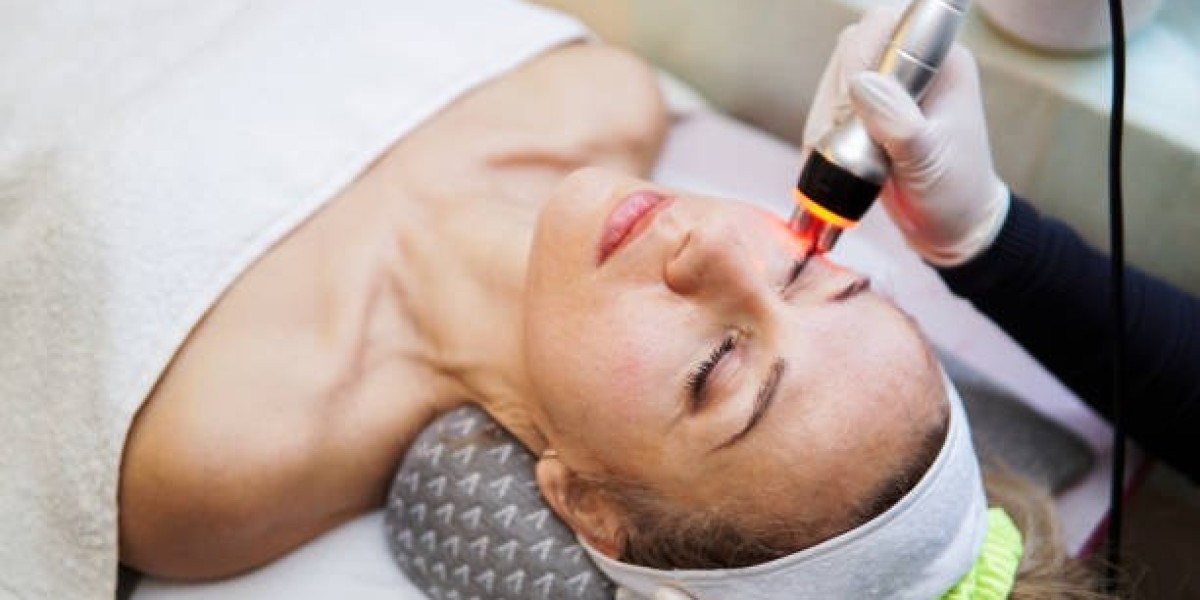

Choosing the right skin rejuvenation treatment depends on the concerns you want to address, your skin type, and the results you hope to achieve. Fractional laser and Intense Pulsed Light (IPL) are popular aesthetic treatments, but they work differently and are designed to target different skin concerns. Understanding these differences can help you decide whether Fractional laser treatment in Riyadh (علاج فراكشنال ليزر في الرياض) is the right option for improving acne scars, uneven texture, fine lines, or other signs of skin damage. A professional skin assessment is essential to identify the safest and most suitable approach.
Although both treatments use light-based technology, they deliver energy differently. Fractional lasers focus energy into microscopic treatment zones to stimulate skin renewal and collagen remodeling, while IPL uses broad-spectrum pulses of light to target concerns such as redness, sun spots, and uneven pigmentation. If you are comparing Fractional laser treatment in Riyadh with IPL, understanding their mechanisms, benefits, recovery requirements, and limitations can help you make a more informed decision.
What Is Fractional Laser Treatment?
Fractional laser treatment is a skin rejuvenation procedure that delivers concentrated laser energy into small, separated areas of the skin. These microscopic treatment zones trigger the body's natural healing response while leaving surrounding tissue relatively unaffected, helping support recovery and collagen remodeling.
Fractional lasers are available in two main categories: ablative and non-ablative. Ablative lasers remove microscopic portions of the skin's surface, while non-ablative lasers heat deeper tissue without removing the outer layer. The choice depends on the skin concern, desired treatment intensity, and individual suitability.
Fractional laser treatment may help improve acne scars, rough texture, selected fine lines, enlarged pores, and certain signs of sun damage. Results vary according to the laser used, the condition being treated, and the individual's skin characteristics. Some procedures require several sessions, while more intensive treatments may involve a longer recovery period.
What Is IPL Skin Treatment?
Intense Pulsed Light, commonly known as IPL, uses broad-spectrum light rather than a single focused laser wavelength. Different wavelengths can target specific structures in the skin, including melanin associated with brown spots and hemoglobin in visible blood vessels.
IPL is often used to improve the appearance of sun spots, freckles, some forms of uneven pigmentation, redness, and selected signs of sun damage. It may also be used for certain hair-reduction applications, although settings and devices differ according to the purpose of treatment.
Unlike fractional laser resurfacing, conventional IPL is not primarily designed to create microscopic columns of skin injury. Its main benefits often relate to improving color irregularities and visible redness rather than treating pronounced textural scars. Multiple sessions may be needed to achieve gradual improvement.
What Are the Main Differences Between Fractional Laser and IPL?
How the Treatments Work
Fractional laser treatment delivers focused energy at specific depths to create controlled microscopic zones of thermal injury. This process stimulates healing and collagen remodeling, making it useful for selected concerns involving skin texture and scarring.
IPL delivers pulses of broad-spectrum light that are filtered according to the concern being treated. The light is absorbed by targeted pigments or blood vessels, helping reduce the appearance of certain spots and redness over time.
Although both use light energy, they are not interchangeable. The best option depends on whether the main concern involves skin texture, scars, pigmentation, or vascular redness.
Effectiveness for Acne Scars and Uneven Texture
Fractional laser treatment is generally more appropriate than conventional IPL for many textural concerns, including selected acne scars, rough skin, and certain fine lines. Its ability to create controlled treatment zones can stimulate collagen remodeling and improve the appearance of uneven skin texture.
IPL is not usually the first choice for depressed acne scars because it primarily targets pigment and vascular concerns rather than resurfacing the skin. It may improve discoloration associated with sun exposure or post-inflammatory marks in carefully selected cases, but it does not reliably correct deeper textural scars.
For people considering Fractional laser treatment in Riyadh, a qualified professional can assess the type of scarring present and determine whether laser resurfacing or another treatment would be more appropriate.
Effectiveness for Pigmentation and Redness
IPL may be particularly useful for selected cases of sun-induced brown spots, freckles, and diffuse redness. It targets pigment or visible blood vessels, potentially creating a more even-looking complexion after a series of treatments.
Fractional laser treatment can also improve some forms of pigmentation and sun damage, depending on the device. However, it is not automatically the better choice for every pigmentation concern. Conditions such as melasma can worsen after certain laser procedures, and inflammatory pigmentation may require a cautious treatment plan.
Skin Tightening and Collagen Production
Fractional lasers stimulate collagen remodeling, which may improve the appearance of fine lines, skin texture, and some age-related changes. The extent of improvement depends on the laser type and treatment intensity.
IPL may provide modest improvements in some signs of photoaging, but its primary role is generally addressing selected pigment and vascular concerns rather than substantial skin resurfacing or tightening. Neither treatment should be expected to eliminate significant loose skin.
Recovery Time and Side Effects
Recovery varies depending on the technology, settings, and individual skin response. Non-ablative fractional laser treatments may cause temporary redness, swelling, and roughness, while ablative fractional lasers can lead to peeling, crusting, and a longer healing period.
IPL commonly causes temporary redness and mild swelling. Treated brown spots may darken before gradually flaking away. Possible complications include burns, blistering, eye injury without proper protection, and changes in pigmentation.
Both procedures require appropriate sun protection and professional aftercare. Fractional laser and IPL can both cause post-inflammatory hyperpigmentation, particularly in darker skin tones or people prone to discoloration. The device and settings must be selected carefully.
Which Treatment Is Better for Different Skin Types?
The safest option depends on your skin tone, medical history, and the condition being treated. Some IPL devices and settings are unsuitable for darker skin tones because melanin in the surrounding skin can absorb energy and increase the risk of burns or pigmentation changes. Certain fractional lasers can also cause discoloration, so careful selection is essential.
People with melasma, active skin infections, inflamed skin conditions, or recent tanning may need to avoid or postpone treatment. A clinician should also review medications, skincare products, and previous reactions to aesthetic procedures.
If you are exploring Fractional laser treatment in Riyadh, discuss your specific concerns during a consultation. Ask which technology is appropriate, what results are realistic, how many sessions may be needed, and what precautions are recommended for your skin.
Can Fractional Laser and IPL Be Combined?
In selected cases, fractional laser and IPL may be incorporated into the same broader treatment plan to address different concerns. For example, a professional might consider IPL for selected pigmentation or redness and fractional laser for textural irregularities.
However, combining treatments is not suitable for everyone. Treatment order and timing should allow the skin to recover and should account for pigmentation risk, sensitivity, and the intensity of each procedure. A qualified provider should determine whether a combined approach offers meaningful benefits over a single treatment.
How to Choose the Right Treatment for Your Skin
Start by identifying your main concern. Fractional laser may be a suitable option for selected acne scars, uneven texture, and fine lines, while IPL may be more appropriate for certain sun spots, freckles, and visible redness. Some concerns overlap, so professional assessment is important.
Consider your skin tone, recovery preferences, medical history, and willingness to complete a series of sessions. Neither procedure guarantees perfect skin, and results depend on the condition being treated and the body's response.
Before choosing Fractional laser treatment in Riyadh, consult a qualified skincare professional who can assess your skin and explain the potential benefits, risks, alternatives, and aftercare requirements. A personalized treatment plan can help you select an approach that aligns with your goals while prioritizing skin safety.
Book a Skin Consultation at Royal Clinic Saudia
If you are deciding between fractional laser and IPL, Royal Clinic Saudia (عيادات رويال كلينك) can help you explore suitable options for your skin concerns. Book a consultation to discuss your goals, understand the differences between treatments, and receive professional guidance tailored to your skin.
FAQs:
Is fractional laser better than IPL?
Fractional laser is often more suitable for selected acne scars, uneven texture, and fine lines. IPL is commonly used for certain sun spots, freckles, and visible redness. Neither is universally better; the right option depends on the concern being treated.
Can IPL remove acne scars?
IPL may help improve some discoloration associated with acne, but it generally does not correct depressed or deeply textured acne scars. Fractional laser or other scar-focused treatments may be more appropriate after a professional assessment.
Which treatment has less downtime, fractional laser or IPL?
IPL usually involves relatively little downtime, with temporary redness and darkening of treated spots. Non-ablative fractional laser may also have a manageable recovery period, while ablative fractional laser generally requires more healing time.
Are fractional laser and IPL safe for darker skin tones?
Both treatments require careful selection of devices and settings for darker skin tones. IPL may carry a higher risk of burns or pigmentation changes when skin contains more melanin, while fractional lasers can also cause discoloration. A qualified professional should assess skin type and pigmentation risk before treatment.








