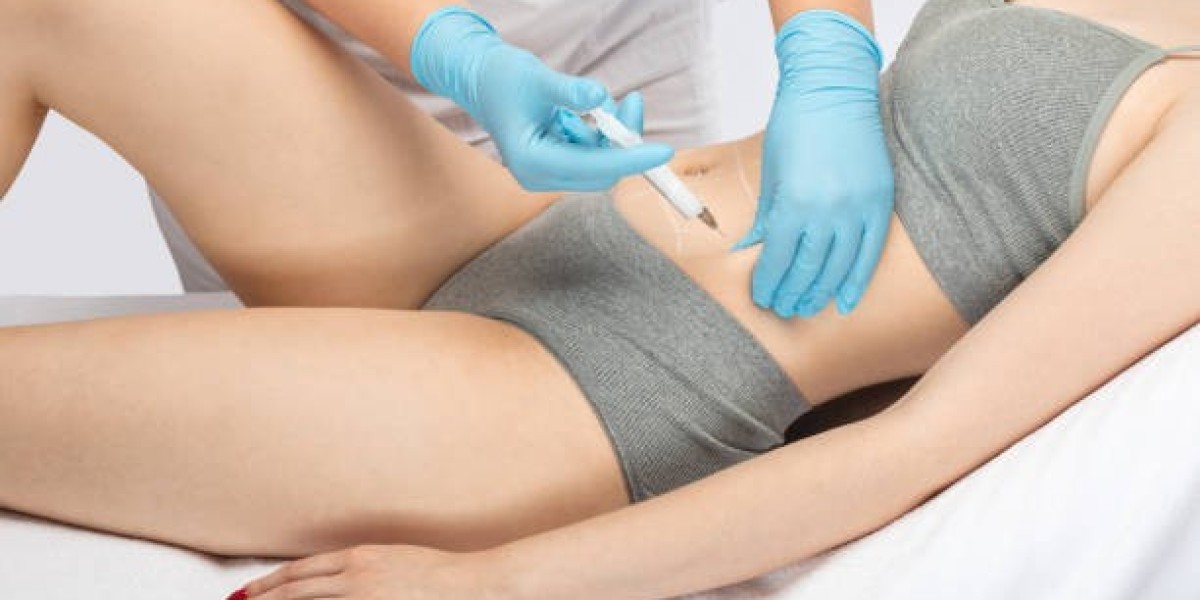

Fat melting injections in Riyadh are among the non-surgical cosmetic options that people may explore when looking to reduce selected localized fat deposits. Modern body contouring includes several approaches designed to address concerns about body shape, proportions, and specific areas of fullness. The most suitable option depends on individual anatomy, treatment goals, skin elasticity, and medical history. Understanding how different techniques work can help patients make informed decisions about their cosmetic care.
Body contouring is not a substitute for weight management, and no single procedure is appropriate for everyone. Some treatments focus on reducing localized fat, while others may address loose skin or improve the appearance of particular areas. A professional consultation helps distinguish between these concerns and establish realistic expectations before treatment begins.
What Are Fat Melting Injections?
Understanding the Treatment Approach
Fat melting injections are injectable treatments intended to reduce certain localized fat deposits. Depending on the product, the active ingredient may disrupt fat cells in the treated area, allowing the body to process the resulting cellular material over time. The process is gradual, so visible changes may develop over several weeks rather than immediately after treatment.
However, products marketed as fat dissolvers differ in their ingredients, clinical evidence, and regulatory status. Some injectable treatments have specific authorized uses, while others may not be approved for cosmetic fat reduction. For example, authorization for reducing fat beneath the chin does not automatically mean that the same product is suitable for the abdomen, thighs, arms, or other body areas.
Who May Consider Injectable Fat Reduction?
These injections may be considered by selected adults who have a localized fat deposit and want a non-surgical option. They are not intended to produce substantial weight loss or replace a balanced lifestyle. People with significant excess fat, loose skin, or certain medical conditions may need a different approach.
A qualified medical professional should examine the treatment area, review relevant medical history, and explain the likely benefits and limitations. This assessment helps determine whether injectable treatment is appropriate and whether another body contouring technique may better match the patient's goals.
Exploring Different Body Contouring Techniques
Non-Surgical Injectable Treatments
Injectable fat reduction may appeal to people who prefer a treatment that does not involve surgical incisions. Depending on the product and its authorized use, it may help reduce a specific area of localized fat. Recovery experiences vary, and temporary swelling, tenderness, bruising, or discomfort can occur.
The suitability of this approach depends on the size and location of the fat deposit and the condition of the surrounding skin. Patients should ask which product is being proposed, whether it is authorized for the intended area, and what clinical evidence supports its use. They should also understand that non-surgical does not mean risk-free.
Energy-Based Body Contouring
Some modern body contouring procedures use technologies such as cooling, radiofrequency, ultrasound, or other forms of controlled energy. Depending on the device, these treatments may aim to reduce localized fat or improve the appearance of selected areas.
Each technology has different mechanisms, limitations, and potential side effects. Results can vary, and some treatments require several sessions. Patients should discuss the specific device, its intended use, the clinician's experience, and the expected recovery period before making a decision.
Surgical Body Contouring
Surgical procedures, including liposuction, may be considered when a person wants to remove a larger volume of localized fat. These approaches differ from injectable treatments because they involve an operation and have distinct recovery requirements and risks.
Surgery may provide more substantial fat removal in suitable candidates, but it is not appropriate for everyone. A qualified surgeon should assess overall health, skin quality, anatomy, and treatment goals before recommending a procedure. Patients should compare expected outcomes, recovery time, and potential complications rather than choosing an option based only on whether it is surgical or non-surgical.
Factors That Influence Treatment Selection
Fat Distribution and Treatment Area
The location and amount of localized fat can affect which technique is most appropriate. Fullness beneath the chin, for example, may be associated with localized fat, loose skin, or underlying anatomy. Abdominal fullness can also have several causes, including fat distribution and changes in skin elasticity.
A detailed examination helps identify the main concern and determine whether the proposed treatment can reasonably address it. Not every area is suitable for every injectable product or body contouring device, so treatment recommendations should be based on the specific procedure's authorized use and clinical evidence.
Skin Elasticity and Overall Health
Skin elasticity influences how the skin may appear after fat volume decreases. If the skin is loose, reducing the underlying fat may not produce the desired contour and could leave laxity more noticeable. Fat melting injections do not directly tighten loose skin.
Overall health also matters. Medical conditions, medications, allergies, and previous cosmetic procedures may affect treatment suitability and recovery. Patients should provide their clinician with complete medical information so that potential risks can be evaluated before a procedure is considered.
Benefits and Limitations of Modern Techniques
Understanding Potential Benefits
Depending on the procedure, body contouring may help improve the appearance of selected areas and create a more balanced visual profile. Non-surgical options may be attractive to people who wish to avoid an operation, while surgical procedures may be more appropriate for certain larger-volume concerns.
The benefits depend on choosing a suitable technique for the right reason. A careful assessment can help patients understand what a treatment may realistically achieve and whether the expected improvement is likely to meet their goals.
Recognizing Possible Risks
Every body contouring technique carries potential risks. Injectable fat reduction may cause swelling, bruising, tenderness, lumps, uneven contours, infection, or tissue injury. Depending on the product and treatment area, more serious complications can occur, including nerve damage or swallowing difficulties with certain injections beneath the chin.
Energy-based treatments can also cause adverse effects, while surgical procedures have risks associated with anesthesia, bleeding, infection, and recovery. Patients should receive clear information about procedure-specific complications, warning signs, and aftercare before providing informed consent.
What to Expect During a Professional Consultation
A consultation should begin with a discussion of the patient's concerns and desired results. The clinician can examine the treatment area, review medical history, and explain which options may be appropriate. Patients should ask about product authorization, clinical evidence, the practitioner's qualifications, expected results, recovery, and possible alternatives.
A personalized plan may include one or more treatment sessions, depending on the selected procedure. Follow-up appointments can help assess progress and identify any complications. Patients should avoid making decisions based on guaranteed-result claims or pressure to proceed before their questions have been answered.
Exploring Fat Melting Injections in Riyadh
People considering fat melting injections in Riyadh can benefit from understanding how injectable treatments compare with other body contouring techniques. The right approach depends on the treatment area, the amount of localized fat, skin condition, personal goals, and medical suitability. A professional assessment is essential for identifying an appropriate option and understanding its potential benefits and limitations.
Royal Clinic Saudi can be contacted to discuss cosmetic treatment options and arrange a consultation. During the appointment, patients can explain their concerns, ask about available body contouring approaches, and learn whether injectable fat reduction may be suitable for their individual circumstances. An informed decision should always prioritize realistic expectations, appropriate product selection, and patient safety.
FAQs:
How do fat melting injections differ from other body contouring techniques?
Fat melting injections use a product intended to reduce certain localized fat deposits. Other techniques may use energy-based devices or surgery to address specific contouring concerns. Their suitability, results, recovery periods, and risks differ, so professional assessment is important.
Are fat melting injections better than surgical body contouring?
Neither option is universally better. Injectable treatments may be considered for selected localized fat deposits, while surgery may be more appropriate for removing larger volumes of fat. The most suitable approach depends on individual anatomy, goals, health, and willingness to accept the risks and recovery associated with each procedure.
Can body contouring treatments tighten loose skin?
Some procedures may be intended to improve skin firmness, but fat melting injections do not directly tighten loose skin. If skin laxity is the main concern, a clinician can discuss suitable alternatives and explain their limitations.
How can I choose a suitable body contouring treatment?
Start with a consultation with a qualified medical professional. Discuss your goals, medical history, treatment area, expected results, potential complications, and available alternatives. Confirm that the proposed product or device is appropriate for the intended use before proceeding.