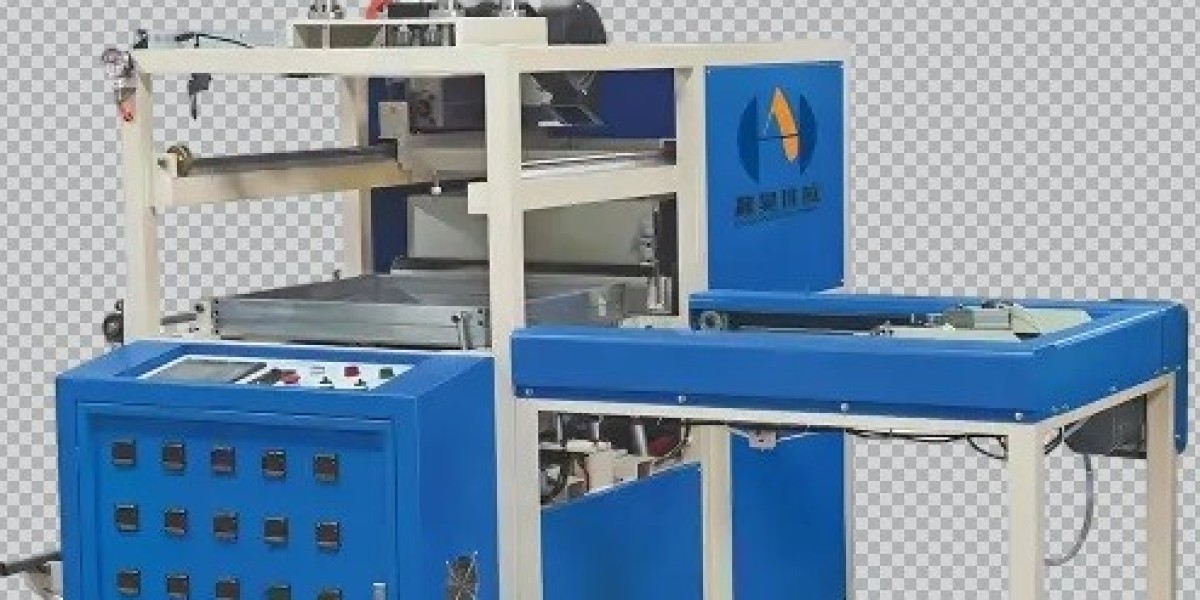

A mould machine is an important piece of equipment used to shape materials into specific forms. It is widely used in industries such as plastics, automotive manufacturing, packaging, electronics, and consumer goods. By using a mould designed for a particular product, manufacturers can produce parts with consistent dimensions and shapes.Get more news about Mould Machine,you can vist our website!
Different mould machines work with different materials and production methods. Some process plastic, while others are designed for rubber, metal, or other industrial materials. The right machine depends on the product design, material properties, production volume, and required accuracy.
For manufacturers, choosing a suitable mould machine is not only about purchasing equipment. It is also about improving product quality, reducing waste, and making production more efficient.
Common Types of Mould Machines
There are several types of mould machines available, each designed for specific manufacturing requirements.
1. Injection Moulding Machine
An injection moulding machine is commonly used to manufacture plastic components. It heats plastic material until it melts, then injects it into a mould under pressure. After the material cools and hardens, the finished part is removed.
This process is suitable for producing products such as plastic housings, bottle caps, automotive components, and household items. It is particularly useful for large production runs because it offers repeatable results and relatively short production cycles.
2. Compression Moulding Machine
A compression moulding machine shapes materials by applying heat and pressure inside a mould. It is often used for rubber products, thermosetting plastics, and certain composite materials.
This method works well for products that require strong structures and stable physical properties. Examples include industrial seals, electrical components, and rubber parts.
3. Blow Moulding Machine
A blow moulding machine is mainly used to produce hollow plastic products. Common applications include bottles, containers, and industrial packaging.
The machine forms a heated plastic tube or preform and uses air pressure to shape it against the mould surface. This process allows manufacturers to produce lightweight containers in different sizes and designs.
Key Benefits of Using a Mould Machine
One major advantage of a mould machine is its ability to produce consistent products. Once the mould and processing parameters are properly set, the machine can manufacture many identical parts with limited variation.
Production efficiency is another important benefit. Automated operations can reduce manual handling, shorten cycle times, and help factories meet larger orders. This is especially valuable for manufacturers supplying automotive, electronics, and packaging companies.
Mould machines can also support complex product designs. With a well-designed mould, manufacturers can create detailed shapes that would be difficult or expensive to produce through other methods.
However, these advantages depend on proper machine selection, mould quality, maintenance, and process control. Poor settings or worn moulds can still lead to defects and unnecessary material waste.
How to Choose the Right Mould Machine
Before purchasing a mould machine, manufacturers should consider several practical factors.
Material compatibility: Check whether the machine can process the intended material and meet its temperature and pressure requirements.
Product size and design: The machine must provide enough mould space, clamping force, and processing capacity for the finished product.
Production volume: High-volume production may require faster cycle times and greater automation, while smaller orders may benefit from a more flexible setup.
Precision requirements: Products used in electronics or automotive applications may require tighter dimensional tolerances than general household items.
Operating costs: Compare energy consumption, maintenance requirements, spare parts availability, and labour costs instead of focusing only on the initial purchase price.
It is also worth checking the supplier's technical support, installation services, and training options. Reliable after-sales service can make a significant difference when production problems occur.
Maintenance Tips for Better Performance
Regular maintenance helps extend machine service life and maintain product quality. Operators should inspect mould surfaces, clean material residues, check lubrication points, and examine hydraulic or electrical systems according to the manufacturer's instructions.
Temperature, pressure, and cycle settings should also be monitored during production. If defects appear repeatedly, checking the mould condition and processing parameters can help identify the cause before more products are affected.
Keeping maintenance records is another useful practice. These records make it easier to identify recurring problems and plan preventive repairs.