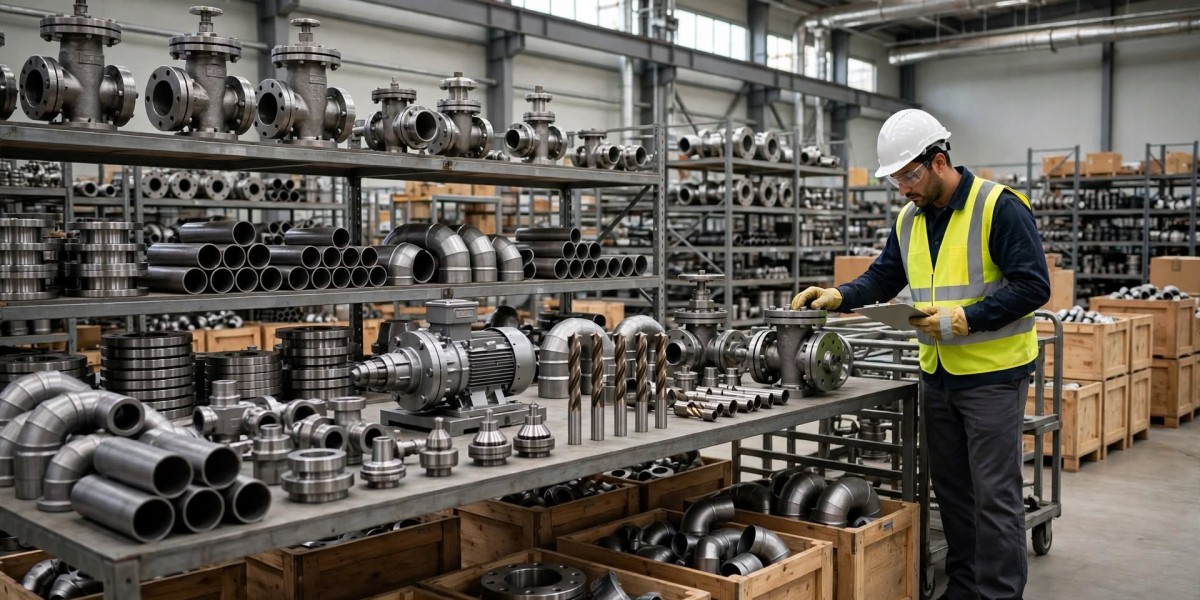

A well-designed component delivers value only when it can be manufactured to the required specifications. Precision manufacturing services help businesses turn technical drawings and component requirements into accurately machined parts for demanding industrial applications. Understanding the design, material, machining process, and sourcing requirements early can make production easier to plan and manage.
Turn Component Requirements Into a Clear Manufacturing Plan
Every manufacturing project starts with a defined requirement. The component may be a replacement part for existing equipment, a newly designed industrial component, or a custom part that must fit a particular assembly. Before production begins, the manufacturer needs enough technical information to understand the intended result.
Start by preparing a drawing or design file that identifies the component's dimensions, important features, material, and required tolerances. Tolerances describe the permitted variation in a dimension and help determine whether a finished part will fit and function as intended.
If the design contains unclear measurements or incomplete details, resolve those questions before approving production. For example, a component with several mounting holes must have clearly defined hole positions and diameters when those features affect assembly. Confirming these details early helps prevent avoidable revisions.
A practical preparation checklist includes:
Approved technical drawings and dimensions.
Material specifications and required surface finish.
Part quantities and production expectations.
Critical tolerances and inspection requirements.
Genesis-MFG provides custom manufacturing and precision machining for industrial components. A clear brief allows its team to review the requested work and understand the technical requirements before determining an appropriate manufacturing approach.
Choose Materials and Machining Processes Carefully
Material selection affects machining, finishing, and the suitability of a component for its intended application. The right choice depends on the design and the required material characteristics, rather than price alone.
Genesis-MFG works with ferrous and non-ferrous materials and identifies options including aluminium, steel, titanium, copper, brass, engineering plastics, and composites. These materials serve different purposes, so buyers should specify the required material whenever the design or application determines the choice.
The machining process also depends on component geometry. CNC milling uses rotating cutting tools to remove material and create features such as pockets, slots, and flat surfaces. CNC turning rotates the workpiece while a cutting tool shapes it, making the process suitable for many cylindrical parts.
More complex designs may require additional machining axes to reach different surfaces or features. Genesis-MFG offers 3-axis and 5-axis CNC milling alongside CNC turning, providing options for different component requirements.
Surface finish deserves particular attention. The result can vary with material, tooling, machining parameters, and machine condition. Clearly identifying the required finish helps the manufacturer determine suitable process settings and provides a reference for evaluating the completed part.
Coordinate Custom Manufacturing With Equipment Sourcing
Manufacturing and equipment procurement can be closely connected, particularly when a project requires both supplied equipment and custom-made components. Coordinating the two activities helps purchasing and engineering teams work from consistent specifications.
For example, an oilfield equipment suppliers in uae may need sourced equipment alongside a replacement component manufactured to a particular drawing. The equipment request and the component order should each include the relevant technical details, quantities, and delivery expectations. If one requirement changes, the teams should check whether the other is affected.
Genesis-MFG provides oil and gas equipment sourcing for applications covering drilling and completion, production and processing, transportation and storage, refining, and petrochemicals. Its manufacturing services also support custom parts and precision machining, making it relevant for projects that combine sourcing with component production.
When planning a combined requirement, confirm the following:
Which items will be sourced and which will be manufactured.
Whether each custom component has an approved drawing.
Which materials, dimensions, and quality requirements apply.
How the equipment and component delivery schedules relate.
This distinction helps prevent confusion between ordering a standard product and commissioning a custom part. It also gives the purchasing team a clearer way to track each requirement.
Review Quality and Production Readiness Before Approval
Before authorising production, review the design and confirm that the manufacturer understands the acceptance requirements. This is particularly important when components have close tolerances or must fit an existing assembly.
Ask which dimensions are critical, what inspection requirements apply, and how the finished component will be compared with the approved drawing. Confirm the material and finish as well, because these details influence whether the completed part meets the original specification.
Genesis-MFG identifies API Spec Q1 and ISO 9001 certification among its qualifications. These credentials are relevant when reviewing quality management, but buyers should also confirm the standards and documentation applicable to their specific project.
After delivery, compare the component with the approved specification. Check the required dimensions, quantity, material documentation, and agreed finish. Record any discrepancy and clarify it with the supplier before accepting the result.
Conclusion
Successful manufacturing starts with clear specifications, suitable materials, accurate machining, and defined quality requirements. By planning each stage carefully, businesses can obtain custom components that meet their project needs. For projects requiring equipment sourcing, explore Genesis-MFG’s capabilities and connect with reliable oilfield equipment suppliers in uae to discuss your industrial requirements.
FAQs
1. What are precision manufacturing?
They involve producing components to defined designs, dimensions, material specifications, and tolerances using suitable manufacturing processes.
2. Which materials can be used for CNC machining?
Options include aluminium, steel, titanium, copper, brass, engineering plastics, and composites, depending on the component requirements.
3. What is the difference between CNC milling and turning?
Milling uses rotating cutting tools to shape a workpiece, while turning rotates the workpiece as a cutting tool removes material.
4. Why are technical drawings important?
Drawings communicate dimensions, features, and tolerances so the manufacturer can understand the required component and check the finished part against the design.
5. Can manufacturing and equipment sourcing be coordinated?
Yes. Coordinating specifications, approvals, and delivery expectations can help manage projects that require both sourced equipment and custom-manufactured components.